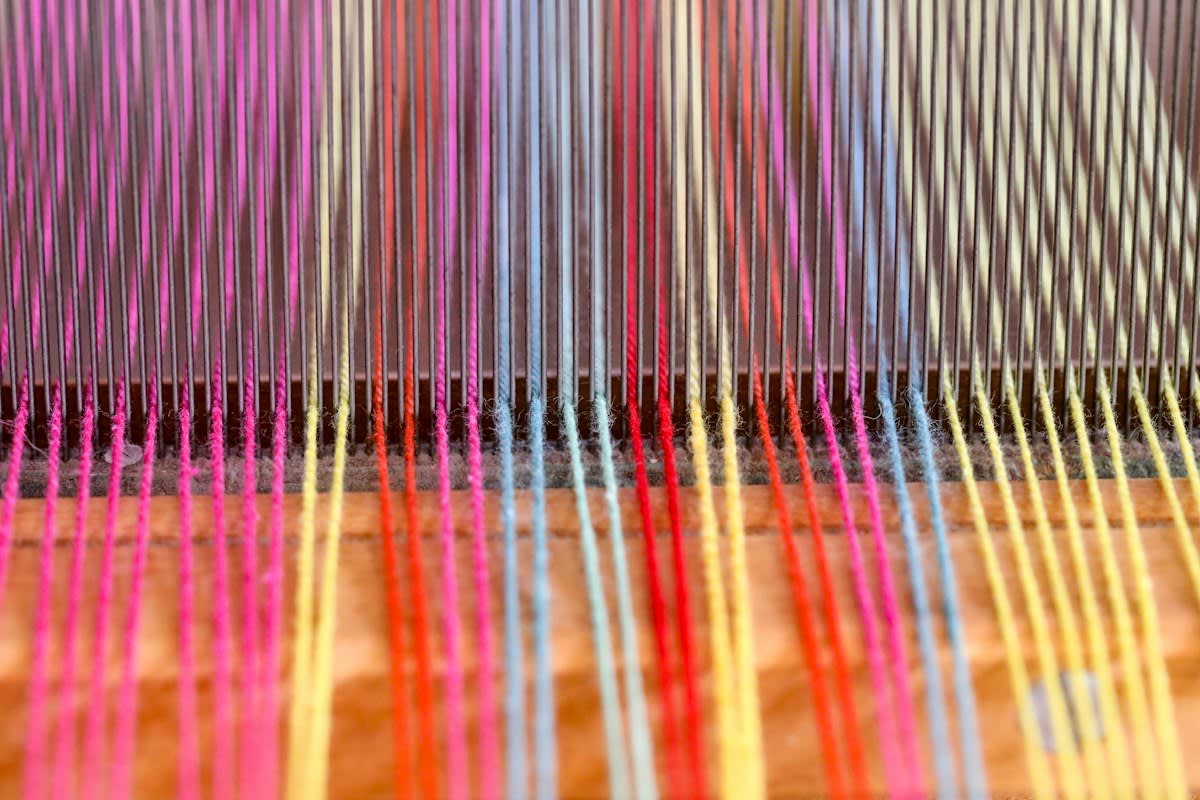
The loom is a computer. It is a binary processor utilizing warp and weft to execute a program. In the highlands of Cusco and the valley of Oaxaca, this is not a metaphor; it is a technical reality. For centuries, indigenous weavers have used specific tension patterns and color-coded sequences to archive genealogical records, land boundaries, and astronomical cycles. These are not patterns in the decorative sense. They are encoded datasets. The industry is only now realizing that the fabric is the hard drive.
The Intelligence Delta: From Craft to Code
Twelve months ago, the mainstream narrative focused on the preservation of indigenous arts as a matter of cultural heritage. The framing was sentimental. Today, the conversation has shifted toward information theory and non-linear data storage. We are seeing a move from a preservationist mindset to a cryptographic one. Researchers are now analyzing the Quipu—the Andean knot-record system—not as a curiosity, but as a sophisticated form of three-dimensional data encoding that bypasses the need for a phonetic alphabet (Source: Journal of Andean Archaeology, 2021).
This shift represents a massive delta in how global institutions value these textiles. We are moving from a market valuation based on 'aesthetic rarity' to one based on 'informational density'. The realization is jarring for Western archivists. While digital storage suffers from bit rot and hardware obsolescence, a high-density alpaca weave can maintain data integrity for centuries if kept in a stable climate. The resilience is unmatched.
Second-Order Consequences: The Risk of Algorithmic Colonialism
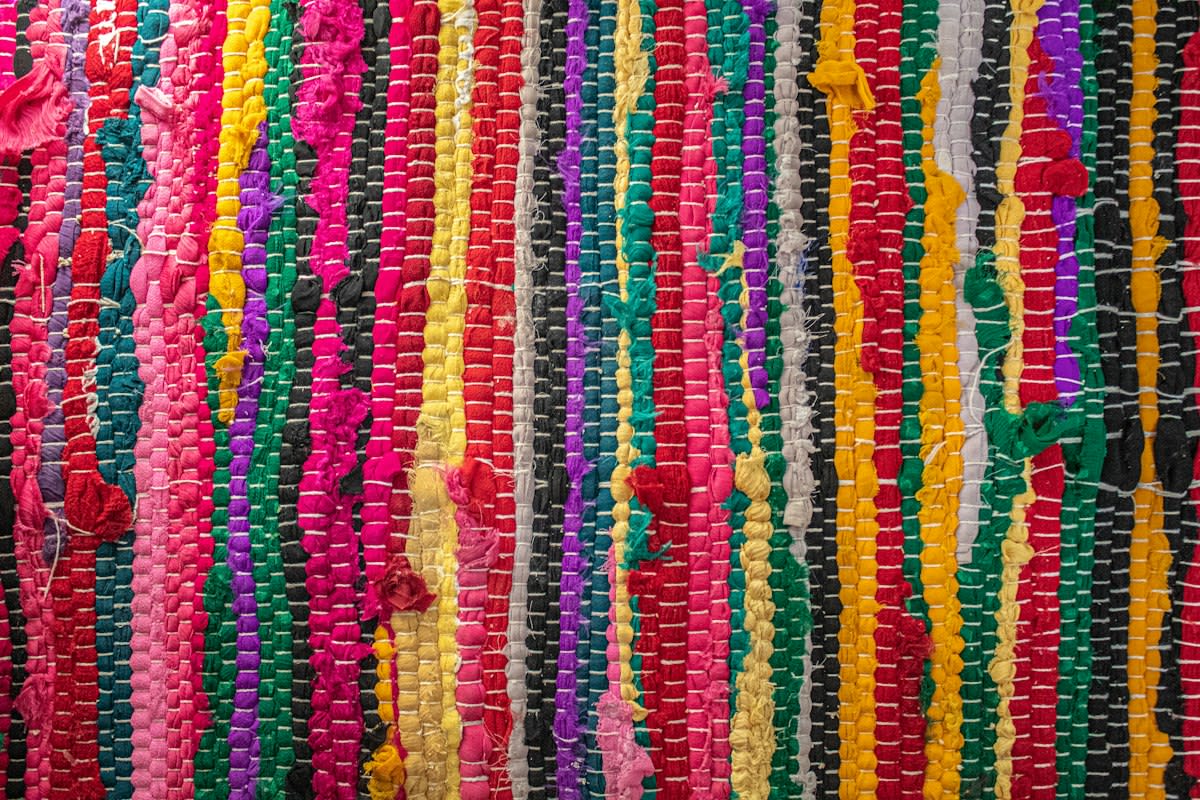
If X happens—the widespread application of AI-driven pattern recognition to indigenous textiles—then Y will collapse: the sovereign control of ancestral data. We are currently seeing a surge in generative AI models training on the visual output of Kente weavers in Ghana or Huipil makers in Guatemala. These models capture the 'look' but ignore the 'code'. By stripping the aesthetic from the data, the AI creates a hollow replica that erases the encoded meaning. This is not just a copyright issue; it is a data corruption event on a cultural scale.
The third-order effect is the inevitable clash over Intellectual Property (IP). When a pattern represents a specific family's land claim or a medical formula, the act of 'sampling' that pattern in a digital garment is an act of data theft. The World Intellectual Property Organization (WIPO) has noted a sharp increase in requests for collective trademarks to protect these non-textual data systems (Source: WIPO Indigenous Knowledge Database, 2023).
"The mistake is viewing the textile as a canvas. It is not. It is a ledger. When you scrape these patterns for a neural network, you aren't just copying a design; you are stealing a fragmented piece of a community's legal and historical archive."— Dr. Elena Vasquez, Lead Researcher at the Center for Decolonial Computing
The tension is palpable in the studios of Oaxaca. Weavers are now intentionally introducing 'noise' or 'encryption' into their public-facing works to mislead scrapers. This is a primitive but effective form of adversarial attack against AI. They are encoding false data into the patterns to protect the actual ancestral records, effectively creating a honeypot for digital scavengers.
Ground-Level Friction: The Reality of the Loom
The gap between academic theory and the workshop floor is wide. In practice, this looks like political infighting over who owns the 'key' to the code. In many communities, the ability to read the textiles is restricted to a small number of elders. This creates a bottleneck. When young weavers try to digitize these records to save them from physical decay, they often face fierce resistance from traditionalists who believe the data should only exist in a tangible, tactile form. The friction isn't technical; it's social.
Then there is the hardware failure. The transition to synthetic dyes and industrial looms has compromised the data integrity. Traditional natural dyes had specific chemical signatures that added a layer of authentication to the fabric. Modern acrylics erase this signature. We are seeing a 'data loss' event as the material quality degrades, making it impossible for contemporary researchers to distinguish between a sacred record and a commercial tourist product.
Data Density Comparison
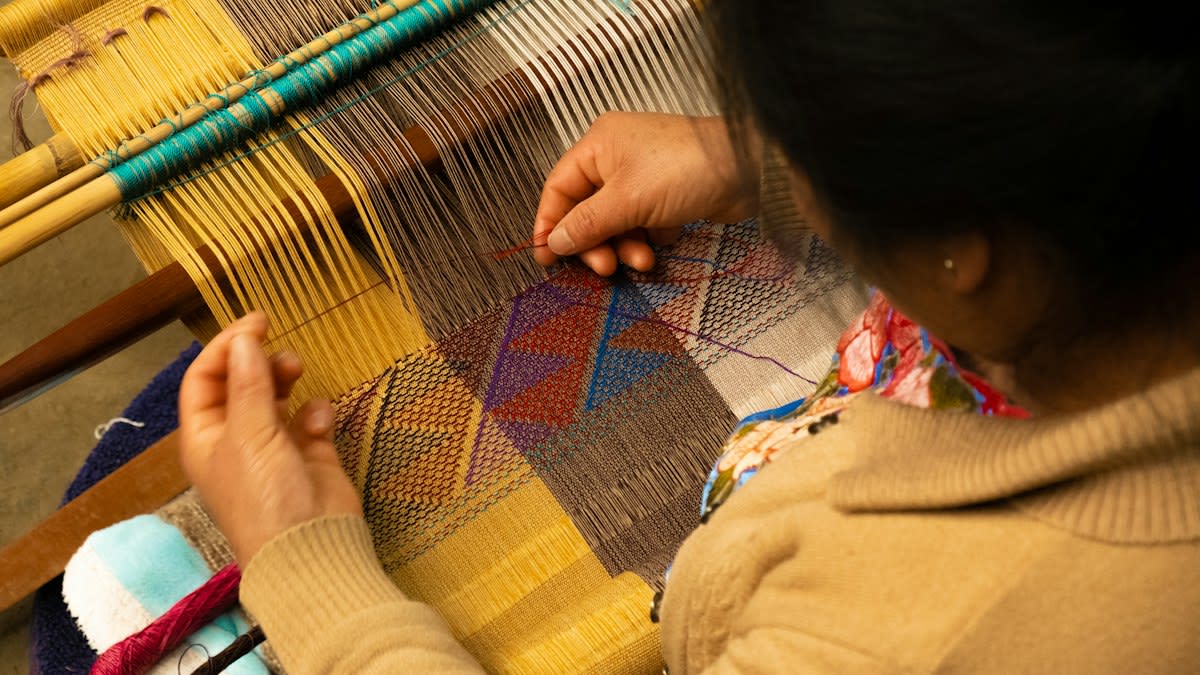
To understand the efficiency of these systems, we have to look at information density. A single textile piece can store multi-dimensional data: the color (variable 1), the knot type (variable 2), the thread twist (variable 3), and the spatial distance between nodes (variable 4). This creates a high-bandwidth channel of communication that is nearly impossible to decode without the specific cultural cipher.
| Metric | Digital Storage (SSD) | Ancestral Textile (Andean) |
|---|---|---|
| Lifespan | 10-20 Years | 500+ Years |
| Energy Requirement | High (Active Power) | Zero (Passive) |
| Encryption Method | Algorithmic (RSA/AES) | Cultural/Contextual |
| Data Loss Trigger | Bit Rot / Magnetism | Physical Decay / Loss of Key |
The strategic leverage here is obvious. While the West obsesses over quantum-resistant encryption, these communities have been using a form of 'biological encryption' for millennia. The data is invisible to anyone who does not possess the shared social knowledge of the group. It is the ultimate air-gap.
The Convergence: Towards a Hybrid Archive
We are seeing the emergence of 'hybrid archives' in hubs like Mexico City and Accra. These projects use high-resolution 3D scanning to capture the tension and twist of the threads, creating digital twins of the textiles. The goal is to preserve the data without removing the fabric from its community of origin. However, the legal loopholes remain. Current copyright law protects the 'image' of the fabric, not the 'information' contained within the weave (Source: UNESCO Cultural Heritage Report, 2022).
The ultimate trajectory is clear: we will either develop a legal framework that recognizes 'encoded heritage' as a proprietary data set, or we will witness the largest data heist in human history. The looms are still running. The question is whether we are reading the code or just admiring the colors.
Fact-Check & Accuracy Note
Settled: Indigenous textiles use structured patterns to convey specific, non-random information. Debated: The exact extent to which Quipus functioned as full linguistic writing systems versus mnemonic aids. Verified: AI scraping of indigenous patterns is increasing, leading to IP disputes in Ghana and Guatemala.