Gold, Muhurat trading & big business: The economics of Diwali and how they've changed
Source Entity
TRISHA MAHAJAN
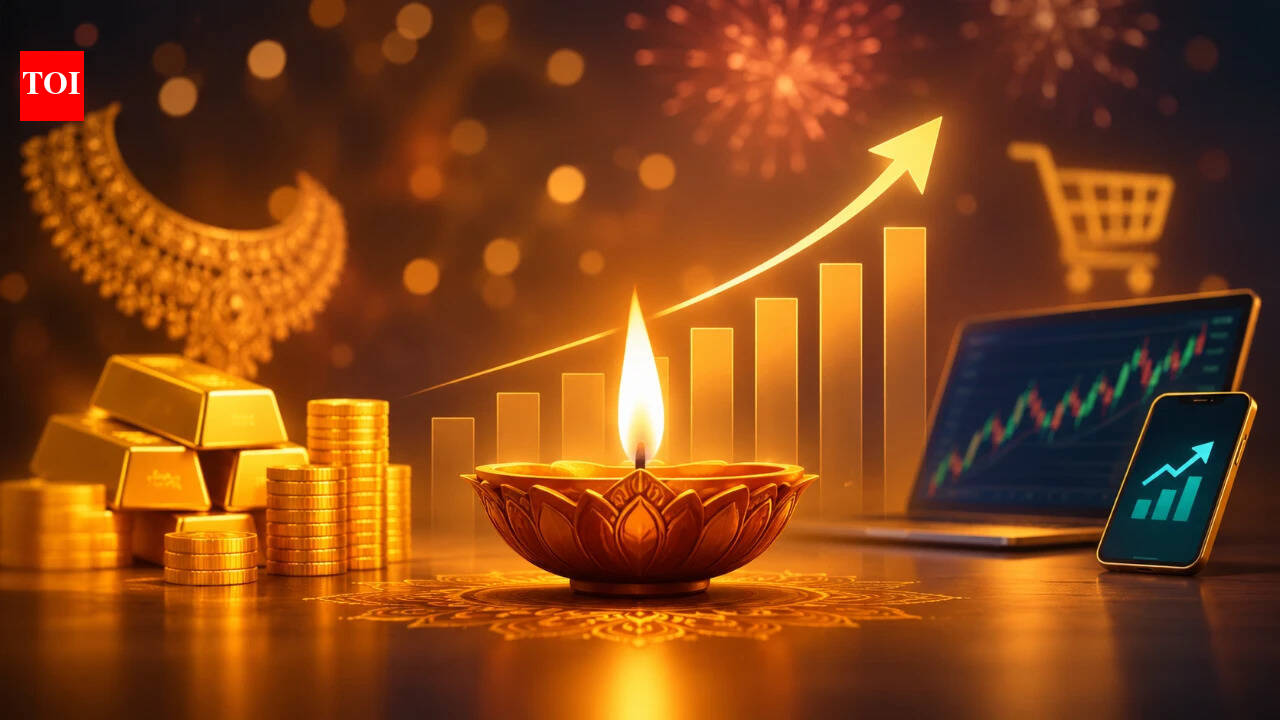
As Samvat 2083 approaches, market experts advise a disciplined, cautious approach to investing, balancing traditional festive customs with modern financial planning. Investors are encouraged to prioritize quality stocks in sectors like banking and healthcare while maintaining realistic return expectations amidst market volatility.
Navigating Samvat 2083: A Strategic Outlook for Indian Investors
As the Indian financial community prepares to usher in Samvat 2083, the atmosphere on Dalal Street is a blend of traditional optimism and analytical caution. Diwali, traditionally a time for resetting financial ledgers and initiating new business cycles, now serves as a critical juncture for investors to align their portfolios with the evolving macroeconomic landscape. While the domestic growth outlook for India remains encouraging, the interplay between global market volatility and local sentiment necessitates a shift toward disciplined, long-term strategies rather than speculative fervor.
The Shift Toward Disciplined Investing
Financial experts, including those from Kotak Mahindra Mutual Fund, are emphasizing the importance of prudent asset allocation as we enter the new Samvat. The era of blind optimism is being replaced by a focus on quality, with a strong recommendation for investors to remain selective. By focusing on fundamentally sound stocks, investors can better insulate themselves from the inherent uncertainties that often characterize the transition into a new fiscal year. The consensus is clear: realistic return expectations are the hallmark of a mature investor in the current economic climate.
Sectoral Opportunities and Economic Drivers
For the coming year, specific sectors have emerged as focal points for potential growth. Banking and healthcare are being highlighted as areas where investors might find sustainable opportunities. This sectoral preference reflects the underlying strength of the Indian economy, where domestic consumption and essential services continue to provide a buffer against global headwinds. As households reassess their financial strategies during this festive period, these sectors are expected to benefit from both long-term capital appreciation and consistent demand.
Muhurat Trading: Ritual vs. Reality
Muhurat trading, the symbolic one-hour session held on Diwali, remains a cornerstone of Indian market culture. However, modern financial discourse has reframed this event as an opportunity for considered decision-making rather than an impulsive investment strategy. Experts advise that while the ritual is auspicious, it should not supersede the need for a well-researched, long-term investment thesis. The transition from traditional 'bahi-khatas' to digital ledgers mirrors a broader evolution in how Indian investors approach their wealth, moving toward more sophisticated, data-driven financial planning.
The Economic Fabric of Diwali
Diwali’s significance extends far beyond the stock market, acting as a barometer for the broader Indian economy. The festive season triggers a significant surge in consumer spending, ranging from the traditional gold rush during Dhanteras to the modern shift toward online shopping and mutual fund investments. This festive economy supports businesses across the spectrum, reflecting a change in how the average Indian household manages its wallet. While gold remains a cultural constant, the inclusion of modern financial instruments signals a maturing investor base that is increasingly conscious of wealth creation.
Future Trends and Market Outlook
Looking ahead, the combination of technological integration in finance and a more cautious, selective approach to stock picking will likely define Samvat 2083. As investors balance the desire for growth with the reality of market volatility, the emphasis will remain on resilience. By leveraging the festive period to re-evaluate financial priorities and focusing on long-term value, investors can navigate the complexities of the new year with greater confidence and strategic clarity.