Karnataka's '30% ethanol' claim stirs row as OMCs junk 'test'
Source Entity
ATUL MATHUR
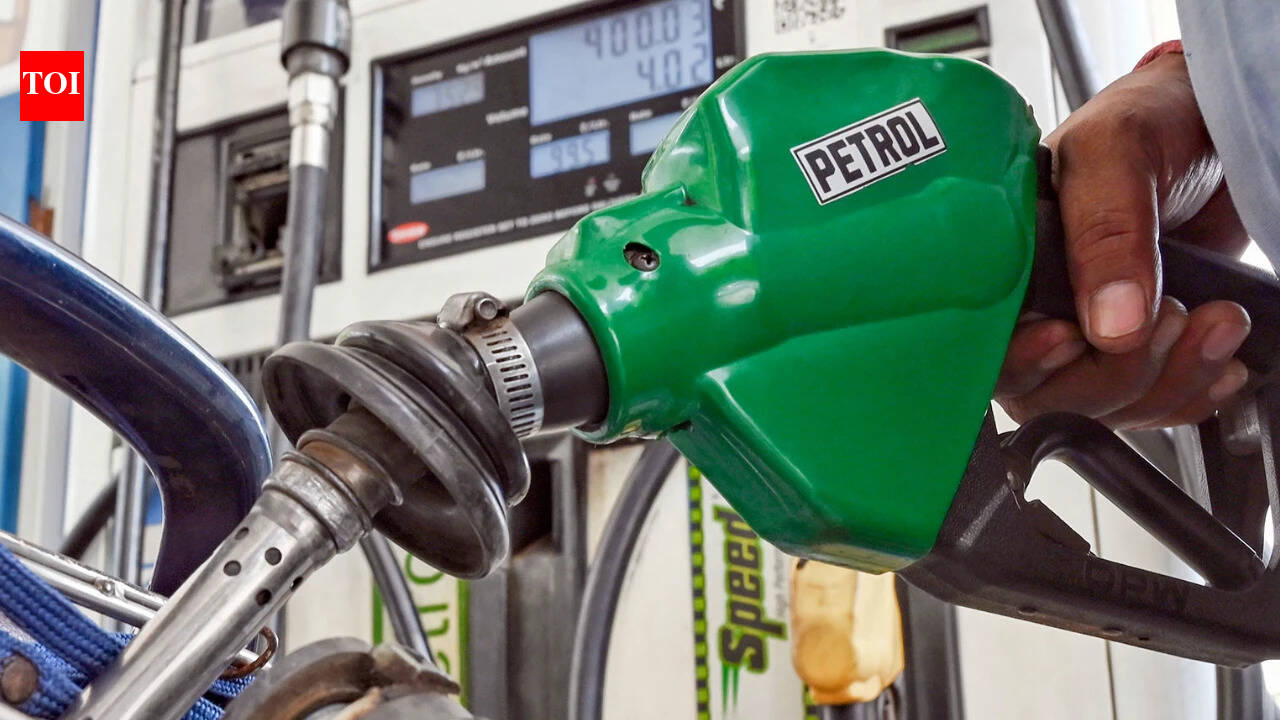
The Karnataka government has reported that lab tests found ethanol concentrations in petrol as high as 31.2%, significantly exceeding the mandated 20% limit. State officials are now demanding federal intervention, penalties for oil marketing companies, and compensation for consumers.
Ethanol Blending Controversy in Karnataka: A Crisis of Compliance
Recent laboratory findings in Karnataka have sparked a significant controversy regarding the quality and composition of fuel sold to consumers. The state’s Department of Food, Civil Supplies, and Consumer Affairs has reported that petrol samples collected from several districts—including Bengaluru Urban, Bengaluru Rural, Kolar, and Mangaluru—contain ethanol concentrations far exceeding the government-mandated E20 threshold. While the national standard permits a maximum of 20% ethanol blending, testing conducted by the NABL-accredited Shriram Research Institute revealed levels as high as 31.2%.
The Scope of the Findings
The investigation covered a broad geographic area, highlighting widespread discrepancies in fuel quality. Out of the samples analyzed, eleven out of fourteen exceeded the legal limit. Specifically, an Indian Oil Corporation Limited (IOCL) outlet recorded the highest concentration at 31.2%, while Hindustan Petroleum Corporation Limited (HPCL) samples showed levels at 30.5% and 27%. A BPCL Speed sample was also flagged for containing 26.5% ethanol. These findings suggest a systemic failure in the blending or distribution process that has direct implications for vehicle performance and consumer rights.
Accountability and Regulatory Oversight
Minister for Food, Civil Supplies and Consumer Affairs, Rizwan Arshad, has taken a firm stance, demanding that the Union government intervene and hold Oil Marketing Companies (OMCs) accountable. The state government is calling for strict penalization of the entities responsible for the excess blending. Furthermore, the administration has proposed the creation of an 'E20 spoilage fund' to compensate motorists whose vehicles may have been damaged due to the use of fuel that deviates from engine specifications.
Political and Economic Implications
This issue has transcended state-level administration, entering the national political discourse. Leader of Opposition in the Lok Sabha, Rahul Gandhi, has utilized these findings to criticize the Union Government’s handling of the E20 rollout. The political friction underscores broader concerns regarding the implementation of the ethanol blending program, which was designed to reduce India's dependence on crude oil imports and bolster the sugar industry.
Technical Risks and Consumer Impact
Beyond the political implications, the technical risks to consumers are significant. Most internal combustion engines are calibrated for specific fuel blends; when ethanol content exceeds the design threshold, it can lead to issues such as fuel system corrosion, degraded fuel lines, and reduced fuel efficiency. The Karnataka government’s push for compensation highlights the potential financial burden placed on citizens who may be unknowingly fueling their vehicles with non-compliant, high-ethanol mixtures.
Future Trends and Outlook
As the debate intensifies, the pressure on the Union government to increase transparency and oversight in the fuel supply chain will likely mount. Future trends suggest a potential shift toward more rigorous, independent auditing of OMCs to ensure that the E20 mandate is strictly adhered to. If the Karnataka government’s demands for an E20 spoilage fund gain traction, it could set a precedent for consumer protection in the energy sector, forcing companies to adopt more stringent quality control measures to avoid liability and maintain public trust.