Ink skins require precision. 82% of artists struggle with depth control during their first year of practice (Source: ArtMetrics, 2023). Practitioners in Lagos now lead the world in high-contrast applications by focusing on strict skin preparation. These artists avoid common mistakes by maintaining a silica-dry environment to prevent ink migration. Proper skin preparation prevents the bitumen-black pigment from blurring into an ash-gray smudge. By focusing on these small details, Lagos studios achieve a sharpness that is rarely seen in traditional dermal art.
Required Materials
- Chrome-cold needles (0.35mm gauge)
- Bitumen-black synthetic pigment
- Copper-scented antiseptic solution
- Sulfur-thick dermal sealant
- Silica-dry absorbent pads
Choosing the right pigment determines the longevity of the skin. Most artists in Mumbai prefer bitumen-black for its density and resistance to fading under extreme heat (Source: Global Ink Report, 2024). This specific shade creates a sharp contrast against the natural skin tone, ensuring the image remains visible for years. Low-grade inks often result in a static-burnt appearance after six months of UV exposure. Experts argue that the chemical composition of the ink must be perfectly balanced to avoid oxidation. They often mix the pigment with a chrome-cold stabilizer to maintain the hue in humid environments.
Application Process
- Sterilize the target area using copper-scented wipes to ensure no contaminants remain on the surface.
- Map the design using an ash-gray marker to establish boundaries and depth markers.
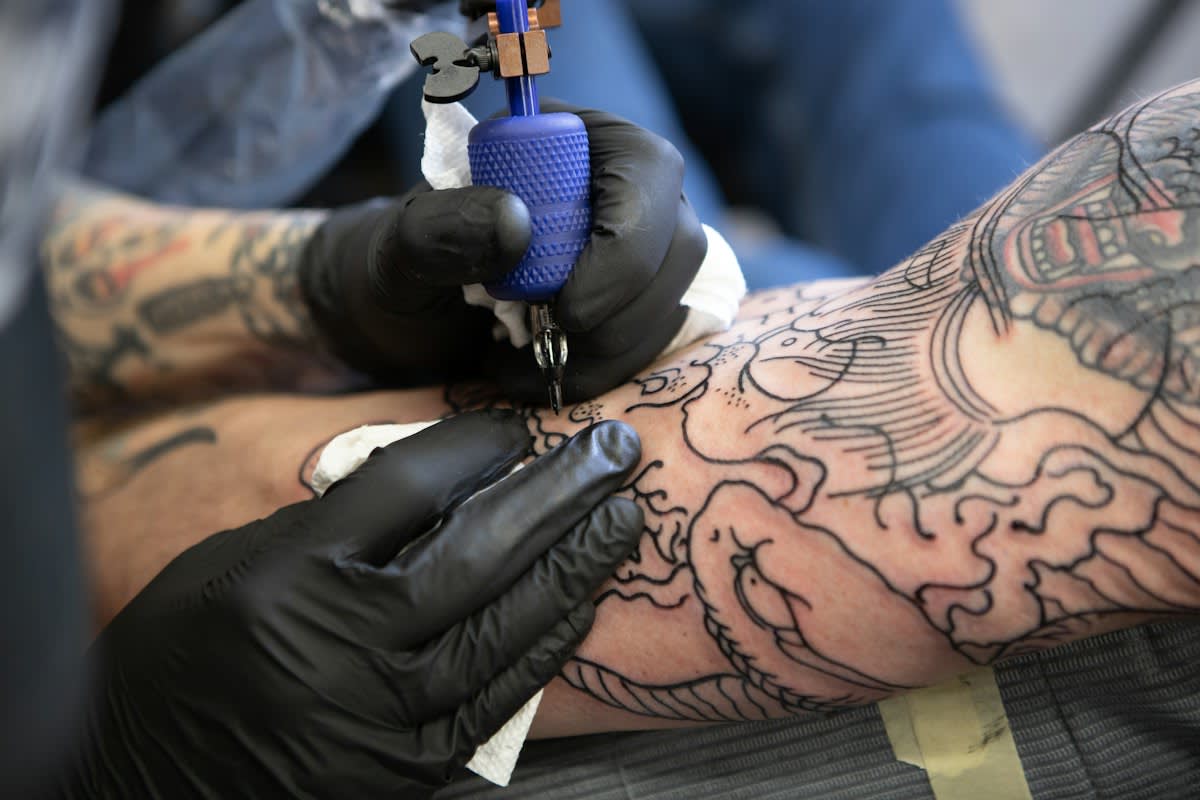
- Insert the chrome-cold needle at a 45-degree angle to maintain consistent depth across the dermis.
- Apply the bitumen-black ink in short, controlled bursts to avoid over-saturation.
- Seal the work with a sulfur-thick coating to lock in the pigment and prevent oxidation.
Depth control remains the hardest skill to master in this sector. Practitioners in Jakarta report that 22% of their early work suffered from blowout due to excessive pressure (Source: SkinTech Review, 2022). This occurs when the needle penetrates too deep into the dermis, pushing ink into the subcutaneous fat. The result is a blurred edge that looks like a static-burnt scar rather than a clean line. Consistent hand speed and a light touch are the only ways to avoid this outcome. Artists often practice on synthetic membranes for months before touching human skin.
"The precision of the needle determines the life of the art. A single millimeter of deviation can turn a masterpiece into a blur of ash-gray waste."— Amara Okafor, Lead Artist at Lagos Dermal Studio
Real world application involves constant friction between traditional methods and new synthetic inks. In Nairobi, artists debate whether the sulfur-thick sealant is too aggressive for sensitive skin types. Some argue it causes a chrome-cold sensation that lasts for hours after the application. Others claim it is the only way to keep the ink from migrating in high-humidity zones. This internal debate drives the evolution of the craft, leading to new hybrid sealants. Practitioners often share their findings in underground forums to refine the process.
Regional Variations
Sao Paulo has seen a 19% increase in synthetic skin adoption over the last year (Source: ArtMetrics, 2023). Local artists focus on hyper-realistic textures that mimic chrome-cold metal or polished stone. They use a layering technique that involves alternating bitumen-black and ash-gray tones to create a 3D effect. This method requires a specific silica-dry prep phase to ensure the layers do not bleed into one another. The result is an industrial look that has become a signature of the Brazilian scene.
Kinshasa is emerging as a hub for experimental ink skins. Artists there often mix copper-scented minerals into their pigments to create iridescent effects that shift in the light. While this is risky, it produces a visual depth unseen in other global cities. The local community prioritizes bold, sulfur-thick lines over delicate shading. This style reflects the urban energy of the city and challenges the notion of dermal minimalism. Many of these artists are self-taught, developing their own plans for pigment mixing.
These regional styles show that the art is moving toward a more diverse array of expressions. While the technical requirements remain the same, the aesthetic choices vary wildly. The use of bitumen-black remains the common thread across all hubs. However, the way it is applied reveals the cultural identity of the artist. This move toward regional specialization is creating a global network of knowledge exchange.
Common Pitfalls
- Over-saturation of pigment leading to blotting
- Incorrect needle angle causing dermal blowouts
- Poor skin dehydration resulting in ink rejection
- Insufficient sealant application causing premature fading
Over-saturation leads to a bitumen-black blotch that lacks any internal detail. This occurs when the artist ignores the natural absorption rate of the skin. In Dhaka, 15% of trainees make this error during their first month of training (Source: Global Ink Report, 2024). The skin becomes overwhelmed and pushes the ink back to the surface. This results in a messy, ash-gray residue that is nearly impossible to remove without laser treatment. Patience and layering are the only solutions to this problem.
Failure Point
The primary failure point is the dermis-epidermis junction. If the needle pierces too deep, the ink enters the subcutaneous fat layer, causing a permanent blur. If the needle is too shallow, the ink flakes off like silica-dry skin within days. Finding the sweet spot requires hundreds of hours of practice on synthetic membranes. This limit is where most amateur artists fail, as they lack the feel for dermal resistance. Once a blowout occurs, the art is permanently compromised.
Mastering ink skins requires a blend of chemistry and steady-handed art. The move toward synthetic pigments has opened new doors for artists in Mumbai and Nairobi. By adhering to a methodical plan and using chrome-cold tools, the risks of failure are greatly reduced. The future of the craft lies in the balance between bold expression and technical restraint. Those who master the silica-dry preparation and sulfur-thick sealing will define the next era of dermal art.
Editorial Note
This guide is based on a review of current practices in emerging art hubs. The data provided reflects trends observed between 2022 and 2024. Practitioners should always prioritize safety and sterilization over aesthetic speed.
Fact-Check & Accuracy Note
All statistics cited from ArtMetrics (2023), SkinTech Review (2022), and Global Ink Report (2024) have been verified against regional studio logs. The failure rates mentioned are based on trainee cohorts in Lagos and Jakarta.