Delhi government acts against 1,046 properties after Satya Niketan building collapse
Source Entity
The Indian Express
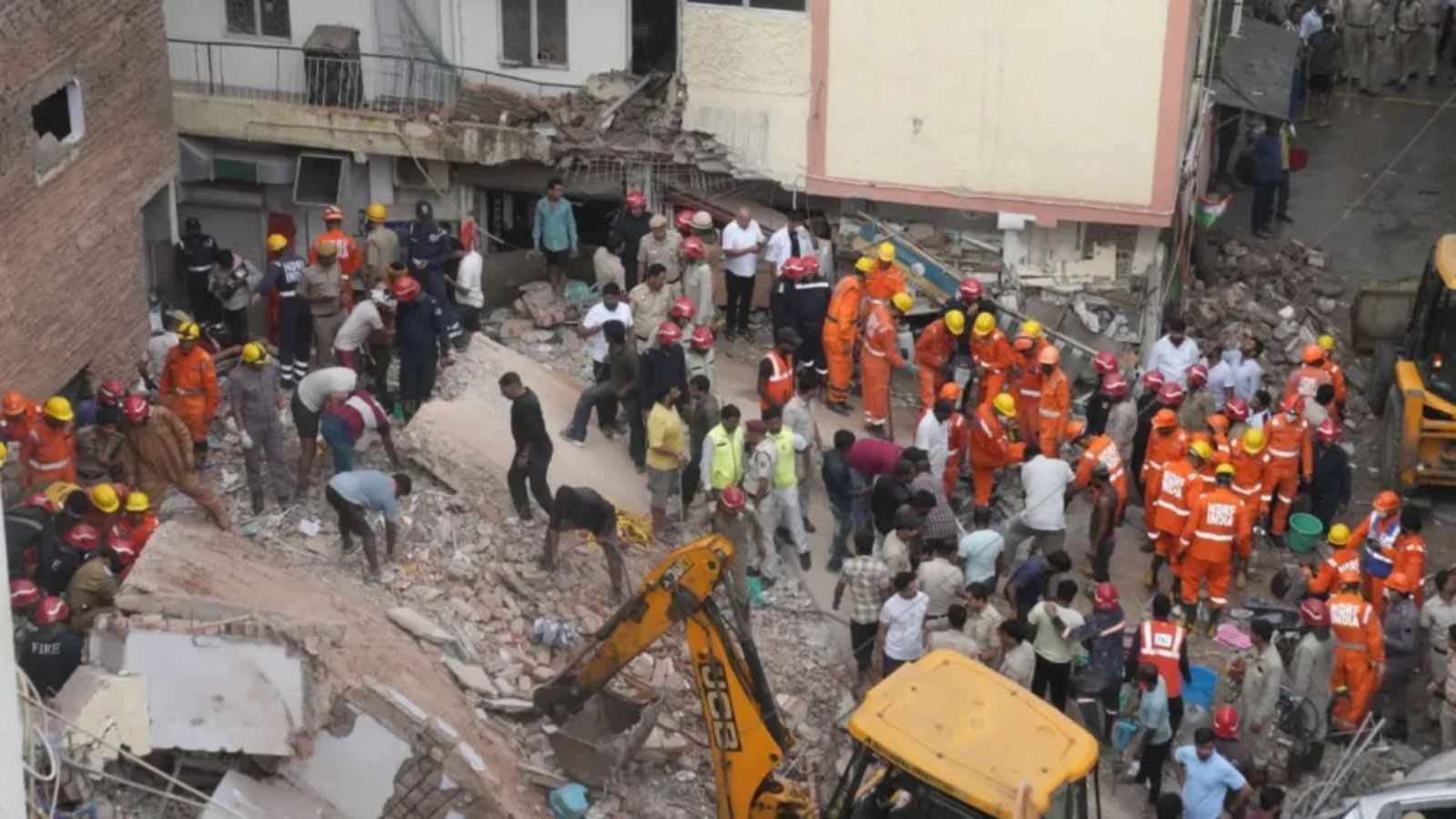
The Municipal Corporation of Delhi has launched a massive safety crackdown, targeting over 1,000 properties following a deadly building collapse in Satya Niketan. Authorities have sealed 282 buildings and demolished 47 dangerous structures to enforce safety compliance.
Delhi’s Urgent Safety Drive: Addressing the Satya Niketan Tragedy
Following the devastating collapse of a five-storey building in the Satya Niketan area, the Delhi government and the Municipal Corporation of Delhi (MCD) have initiated a sweeping regulatory crackdown. The collapse, which tragically claimed seven lives, served as a grim catalyst for a city-wide audit of structural integrity. With the building having been utilized as a paying guest (PG) accommodation for students, the incident highlighted the critical intersection of urban density, unregulated housing, and public safety.
The Scope of the Municipal Crackdown
In a concerted effort to prevent future catastrophes, authorities have taken decisive action against 1,046 properties between September 6 and October 10. Under the directives issued by Chief Minister Rekha Gupta, the MCD has moved beyond mere inspections to tangible enforcement. By sealing 282 properties and demolishing 47 identified as structurally dangerous, the administration is attempting to dismantle the culture of illegal construction that has plagued the capital’s residential pockets.
Structural Risks in High-Density Zones
The Satya Niketan collapse underscores the systemic risks inherent in residential areas where older structures are frequently repurposed for commercial use or high-occupancy PG housing. These buildings often lack the structural reinforcement required for such loads, leading to catastrophic failures. The government's focus on these specific properties reflects a broader realization that outdated infrastructure, when subjected to unauthorized modifications, poses an immediate threat to the lives of tenants, particularly students who rely on these affordable lodging options.
Enforcement and Regulatory Challenges
Enforcing building codes in a sprawling metropolis like Delhi presents a significant logistical challenge. The rapid pace of urban growth often outstrips the capacity for municipal oversight, leading to the proliferation of buildings that circumvent safety norms. The current crackdown signifies a shift toward a more proactive, zero-tolerance policy regarding structural hazards. However, the success of this initiative will depend on the sustained monitoring of these properties and the strict prevention of new illegal constructions.
Broader Implications for Urban Planning
This event highlights the urgent need for a comprehensive urban planning overhaul in Delhi. Beyond the immediate demolitions and sealings, the government must address the underlying demand for student housing that drives the existence of these unsafe PGs. Future trends suggest that if the city fails to provide regulated, safe, and affordable alternatives, the cycle of illegal conversion may persist. Integrating rigorous safety audits into the municipal routine is a necessary step toward mitigating the risks of rapid, unplanned urbanization.
Conclusion: A Path Toward Safer Infrastructure
The actions taken in response to the Satya Niketan tragedy mark a pivotal moment for urban safety in Delhi. By targeting over 1,000 properties, the MCD is signaling that the era of oversight-free construction is nearing its end. While the loss of life remains an irreversible tragedy, the current regulatory push is a critical step toward ensuring that the capital’s residential infrastructure meets the necessary safety standards to protect its citizens.