Top Court To Hold Special Hearing Tomorrow On Metro Closure, Protest Detentions
Source Entity
NDTV News Search Records Found 1000
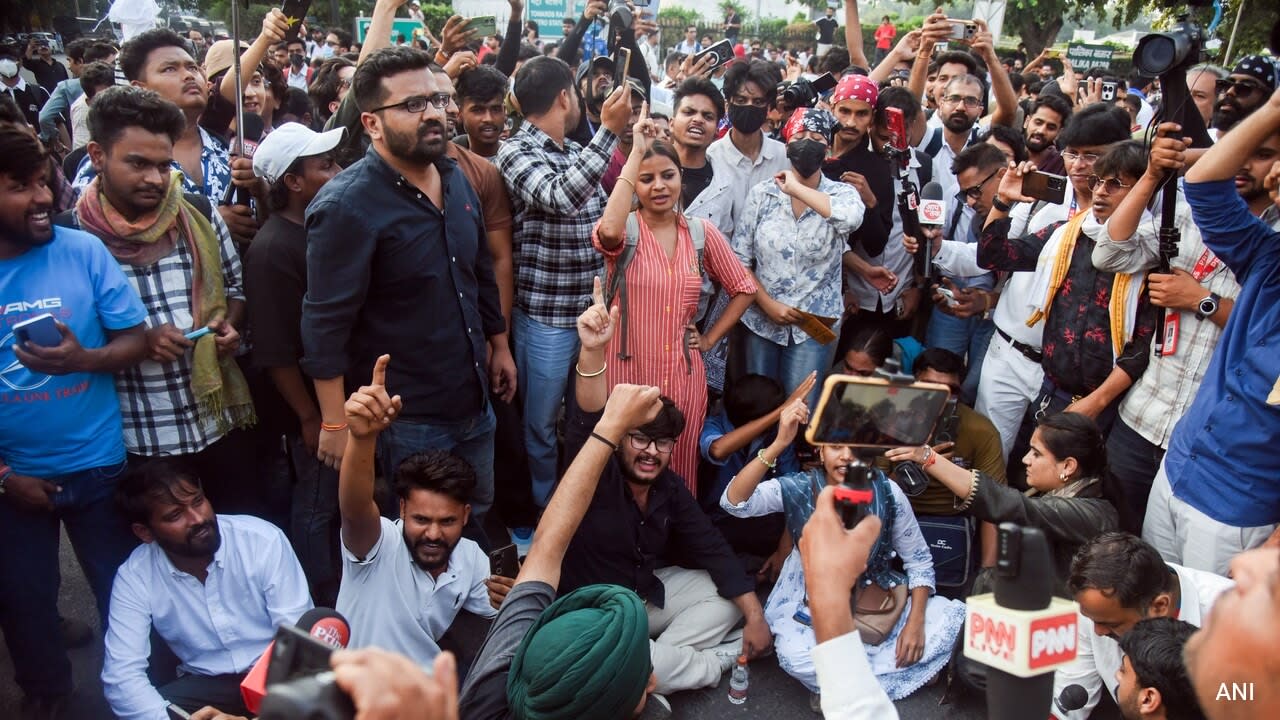
Northern Railway has restored 214 passenger train services following the normalization of rail traffic after recent protests in Delhi. Meanwhile, authorities in Gautam Budh Nagar have implemented security restrictions under Section 163 of the BNSS to maintain public order through October 20.
Restoration of Rail Connectivity in Delhi
Following a period of significant operational disruption caused by protests in the national capital, Northern Railway has announced the restoration of 214 passenger train services. This restoration marks a return to normalcy for thousands of commuters who rely on the rail network traversing the Delhi area. Chief Public Relations Officer Himanshu Shekhar Upadhyay confirmed that the previous cancellations were a strategic decision to manage traffic congestion and facilitate smooth operations during the height of the unrest.
Impact of Civil Unrest on Public Infrastructure
The recent protests, which necessitated the closure of 45 Delhi Metro stations, highlighted the vulnerability of urban transit systems during large-scale civil demonstrations. The systematic shutdown of metro stations and the subsequent cancellation of 30 additional train services underscore the challenges authorities face in balancing the right to protest with the maintenance of critical public infrastructure. While the majority of rail services have resumed, the lingering cancellation of 30 trains serves as a reminder of the residual impact such events have on complex logistics chains.
Security Measures and Legal Frameworks
In anticipation of further potential disturbances, the Gautam Budh Nagar police have proactively imposed strict preventive measures effective through October 20. Utilizing Section 163 of the Bharatiya Nagarik Suraksha Sanhita (BNSS), 2023, authorities have banned unauthorized protests and public gatherings of five or more people. This legal framework is being leveraged to pre-emptively mitigate the risk of violence, specifically targeting the storage of bricks, stones, or inflammable materials in public spaces.
Strategic Rationale for Public Order Curbs
The decision to enforce an 11-day restriction period reflects a heightened state of alert among law enforcement agencies. By requiring prior permission for public processions and gatherings, the police commissionerate aims to neutralize the influence of anti-social elements who might exploit the protest environment to incite disorder. This strategy emphasizes a 'prevention-first' approach, aiming to maintain the safety of the national capital region's transit hubs and public intersections.
Future Outlook and Operational Normalization
As the national transporter moves toward full operational capacity, the focus remains on stabilizing the schedules that were interrupted by the October 10 protests. The transition from a state of emergency gridlock to normalized traffic illustrates the resilience of Delhi's transport infrastructure, yet the necessity of ongoing security restrictions in neighboring districts suggests that the environment remains sensitive. Moving forward, the coordination between railway authorities and local law enforcement will be paramount in preventing future service interruptions during periods of civil volatility.
Multiple Citing Sources
Verification Required?