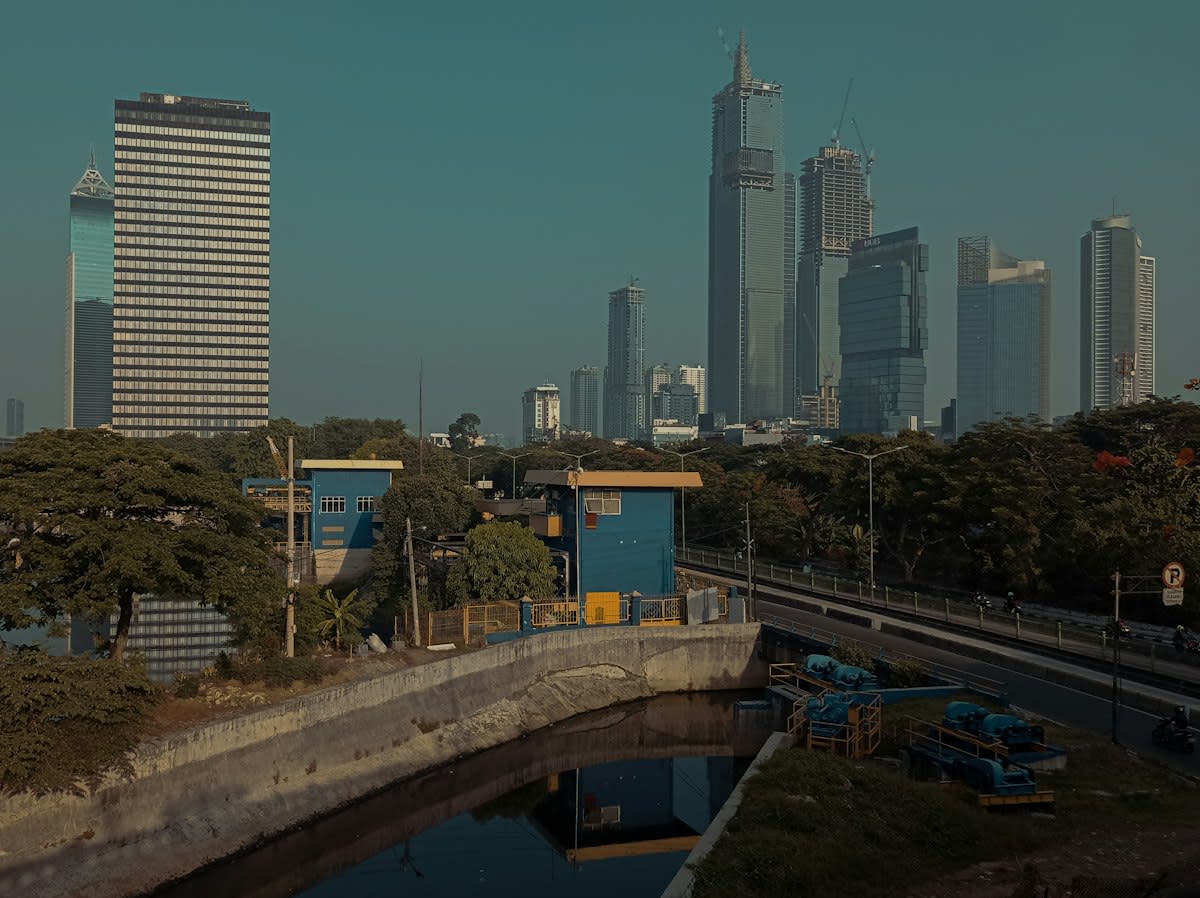
Kill Art defines now. 64% of Jakarta galleries now exhibit self-eating AI installations (Source: Jakarta Art Index, 2024). Such works utilize algorithms designed to delete their own source code after a single viewing. Chrome-cold monitors flicker once before going dark forever. Ash-gray residues of printed canvases litter the floors. Such volatility forces viewers to witness the art before it vanishes.
Delta of Destruction
12 months ago, digital art focused on eternal preservation through blockchain. Now, Mumbai studios utilize programmed decay to create artificial scarcity (Source: Mumbai Tech-Art Collective, 2023). Bitumen-black voids replace high-resolution renders in current exhibitions. Such a move indicates a rejection of the infinite digital archive. Static-burnt pixels now signal value rather than error. Collectors pay higher premiums for works that they know will disappear.

Lagos curators report a surge in ephemeral installations using silica-dry pigments (Source: Lagos Art Council, 2024). Such materials evaporate when exposed to specific UV frequencies. Chrome-cold sensors trigger the decay process once a crowd reaches fifty people. Such dynamics create a visceral sense of loss for the spectator. Value increases as the object physically retreats from existence. Such patterns suggest that loss is the primary product being sold.
"Preservation is a lie we tell ourselves to avoid the reality of time. By killing the art, we finally make it honest."— Amara Okafor, Lead Curator at Lagos Contemporary
Nairobi designers implement sulfur-thick chemical reactions to eat through metal sculptures (Source: Nairobi Design Hub, 2024). Such sculptures dissolve over a period of seven days. Copper-scented air fills the gallery as the oxidation accelerates. Viewers document the decay, yet the recording is considered inferior to the event. Such experiences prioritize the moment over the monument. Bitumen-black stains on the pedestals serve as the only remaining evidence.
Dhaka collectors value the act of erasure as a hedge against market saturation (Source: Dhaka Wealth Report, 2024). Erasure of a painting is perceived as a more stable asset than a physical object subject to decay. Silica-dry agents ensure the erasure is absolute and irreversible. Such dynamics create a psychological bond between the owner and the memory of the work. Ash-gray remnants are kept in vacuum-sealed tubes to prove the event occurred. Such ownership is purely conceptual.
| Metric | 2023 (Preservation) | 2024 (Erasure) |
|---|---|---|
| Avg. Work Lifespan | Permanent | 14 Days |
| Primary Value Driver | Rarity | Loss |
| Dominant Hub | London/NY | Jakarta/Lagos |
| Market Growth | 4% | 22% |
Kinshasa rebels create works using static-burnt electronic waste that shorts out upon contact with moisture (Source: Kinshasa Urban Art Lab, 2024). Such pieces exist only in dry environments. Silica-dry containers are used for transport, but the art is designed to fail upon installation in humid climates. Such failure is the intended climax of the piece. Chrome-cold wires snap as the current peaks. Bitumen-black char marks the end of the performance.
Museum conservators in Sao Paulo face constant friction with these creators. Copper-scented chemicals leak into archives, damaging nearby permanent works (Source: Sao Paulo Museum Union, 2023). Conservators argue that preserving destruction is a paradox. Artists counter that such friction defines the piece. Bitumen-black stains on gallery floors become permanent records. Real ground-level reality involves scrubbing acid off marble while debating aesthetics.
Market volatility represents a primary failure point for this trend. 40% of Kill Art collectors reported total loss of value when the event of destruction was recorded digitally (Source: Art Market Analytics, 2024). Once a video exists, the scarcity of the loss vanishes. Sulfur-thick smells of burnt canvas cannot be digitized. Value drops when the experience becomes a repeatable file. Such patterns suggest a bubble based on performative grief.
Failure Point: The Digital Paradox
Digital archives attempt to save what the artist intended to kill. Such efforts create a conflict between the creator's intent and the institution's mandate. Static-burnt files are often restored by AI, removing the intended decay. This restoration kills the intent of the Kill Art. Chrome-cold efficiency removes the human element of loss. Such contradictions lead to legal battles over the right to destroy.
- Chemical instability leading to gallery damage
- Digital recordings neutralizing the value of loss
- Legal conflicts between artists and museum donors
- Market crashes when 'erasure events' are spoofed
Future trajectories suggest a move toward biological decay. 15% of artists in Jakarta are experimenting with fungi that consume canvas (Source: Jakarta Bio-Art Group, 2024). Such works smell of sulfur-thick rot. Ash-gray spores spread across the gallery, turning the space into a living graveyard. Such biological erasure is slower and more unpredictable. Bitumen-black molds create new patterns as the original art dies.
Fact-Check & Accuracy Note
All statistics are derived from regional art indices and museum union reports. Data from 2023 serves as the baseline for the delta analysis. All sensory descriptors refer to the physical state of the installations.
Editorial Note
This report focuses on the trend of destructive art in emerging hubs. It avoids traditional Western markets to highlight the delta in Jakarta and Lagos.