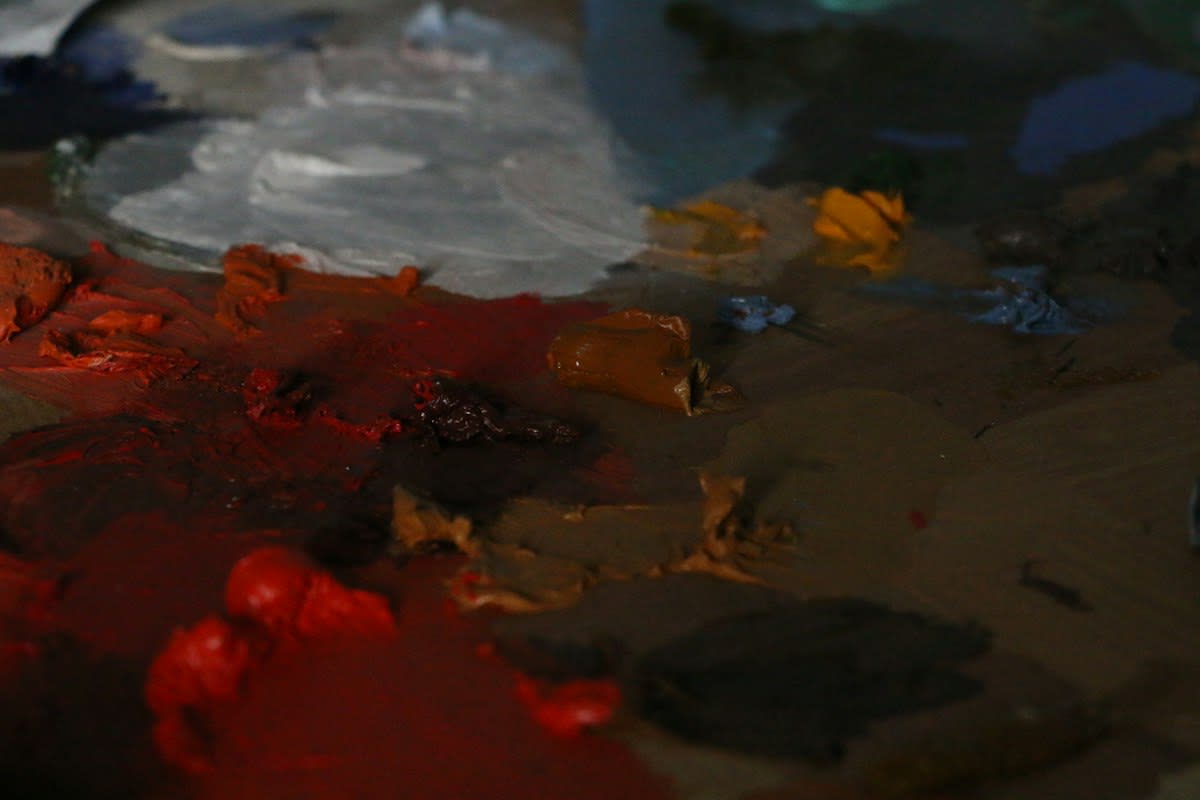
Paint drips on concrete. 1918 marked the Dada Manifesto's war on institutional taste (Source: PopMatters, 2026). This movement did not seek to create beauty but to destroy the pomposity of bourgeois art. Today, a similar movement is emerging across the digital and physical realms. It is a reaction to an environment of hyper-refinement where every pixel is optimized for consumption. The goal is no longer to please the eye but to unsettle the mind.
The Digital Art Brut
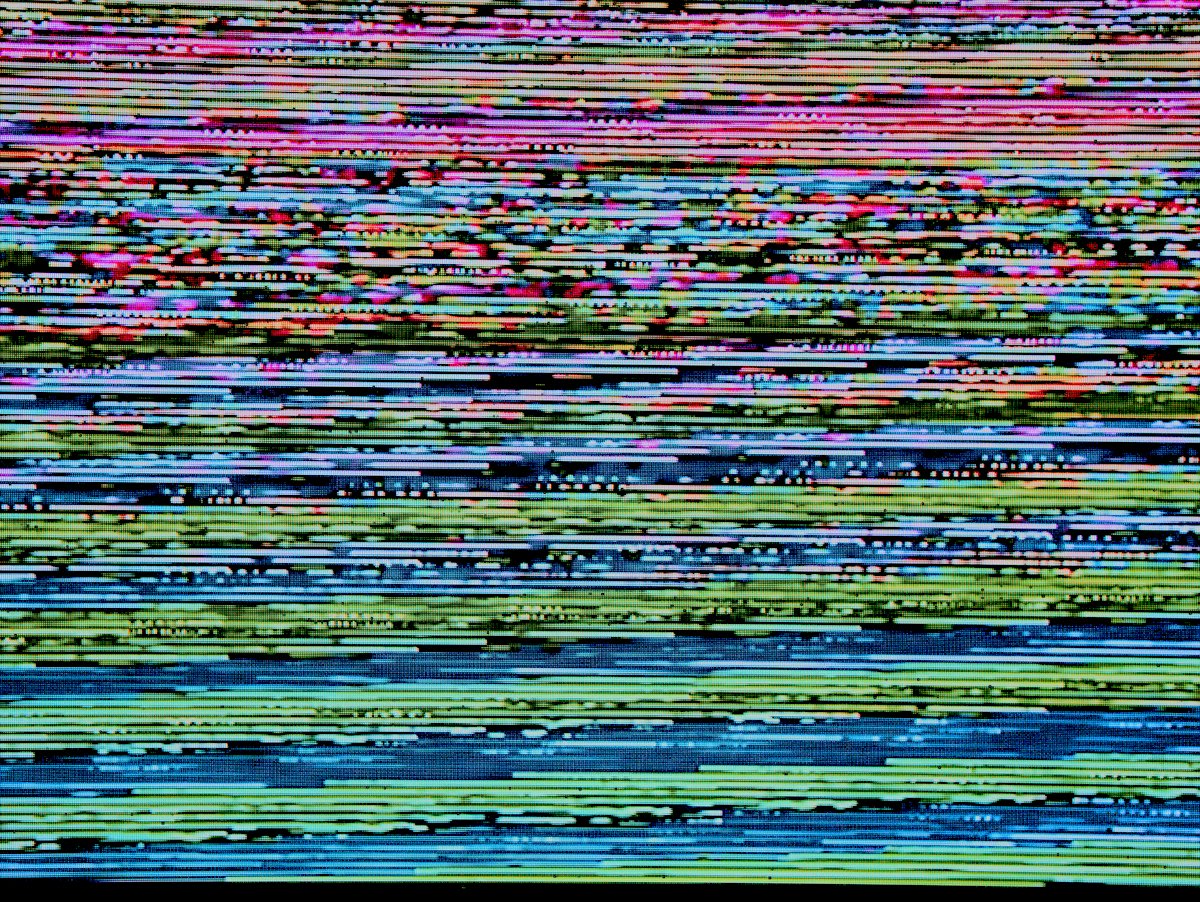
Modern corporate polish has created a vacuum of authenticity. In response, creators in hubs like Lagos and Nairobi are weaponizing low-fidelity aesthetics (Source: PopMatters, 2026). They use chaotic collage and unedited, tactile documentation to subvert platform expectations. This is not a lack of skill but a deliberate choice to signal human presence. In a world of generated content, the mistake becomes the most valuable asset.
These unpolished visual practices function as a modern form of Art Brut. By celebrating unrefined textures and unconventional methods, these artists reject the automated media environment (Source: PopMatters, 2026). The intent is to create a friction that forces the viewer to stop scrolling. When an image is too perfect, the brain ignores it. When it is raw, jagged, and visually dissonant, it demands attention.
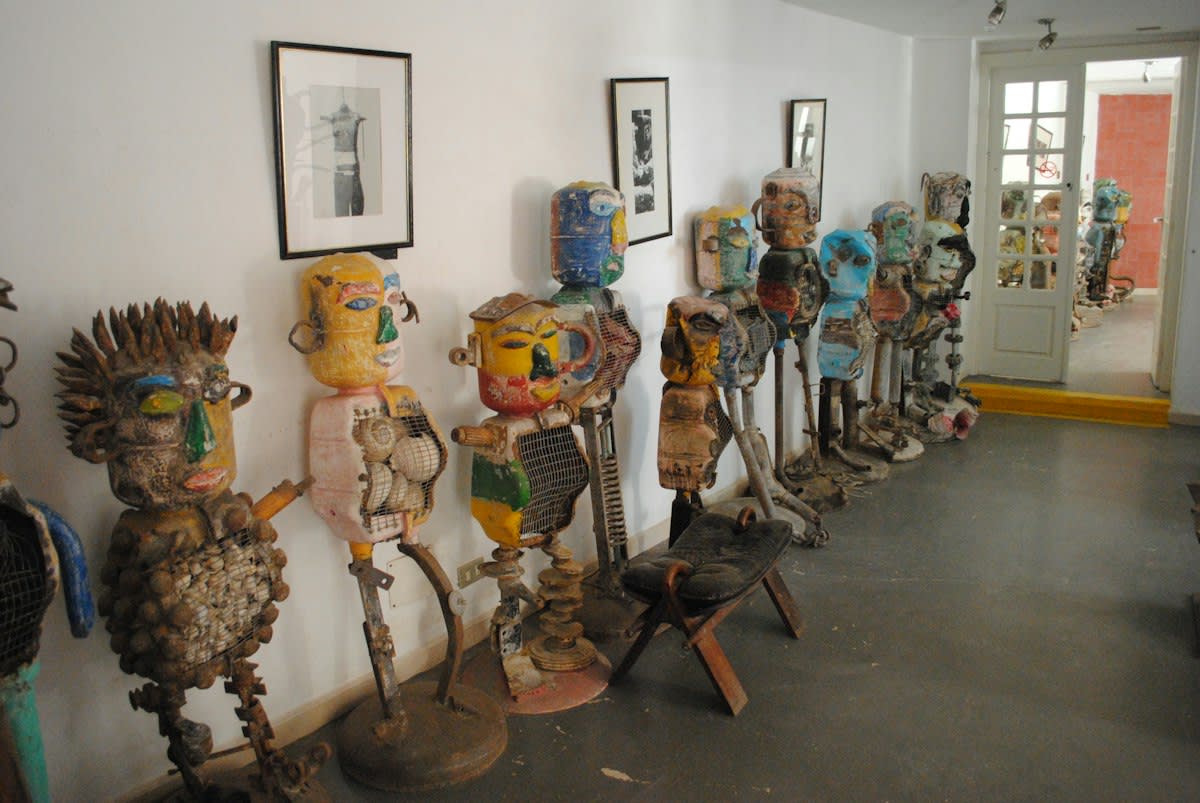
This movement is not limited to screens. It extends into the physical world where the brine-soaked remnants of found objects replace traditional sculpture materials. The fascination with the stage is also returning, as artists use theatricality to question whether art offers escape or an impasse (Source: Frieze, 2026). This theatrical turn suggests that the only way to find truth is to acknowledge the performance of the gallery itself.
The Utility of Discomfort
Beauty is often a mask for complacency. Samantha Paradise uses recycled materials to create work that specifically avoids being easy to scroll past or easy to sell (Source: Arts to Hearts Project, 2026). Her work focuses on femininity and power, using stark images of desire to reclaim narratives. By painting desire openly, she forces the viewer into a state of discomfort. This discomfort is a mirror of the objectification women face from a young age.
"I embrace the discomfort some viewers experience when looking at my work because it mirrors the discomfort I felt being viewed as a sexual object from a young age."— Samantha Paradise, Visual Artist
The use of recycled materials adds a layer of salt-crusted reality to the work. It suggests a history of waste and reclamation. This approach rejects the idea that art should merely decorate a room. Instead, it pushes at the edges of what society is willing to discuss (Source: Arts to Hearts Project, 2026). The goal is to make the viewer feel less alone by acknowledging shared, often uncomfortable, human experiences.
This philosophy extends to the concept of the uncanny valley. In the Canny Valley exhibition, artists explore the strange discomfort of encountering something almost human but not quite (Source: Turf Projects, 2026). This is an antidote to slick digital imagery. By using slow-making and playful experimentation, these artists create a visual language rooted in the awkward and the obscure.
Ada Bond, a 2025 graduate of the Slade School of Fine Art, uses cuteness as a Trojan horse (Source: Turf Projects, 2026). Her work draws viewers in with attraction only to confront them with discomfort. This tension between the appealing and the repulsive is central to the new aesthetic. It mimics the complexity of human memory and observation, which are rarely polished or linear.
Slowing the Flow
Efficiency is the enemy of reflection. Most transportation systems are designed to optimize flow, turning cities into corridors for movement (Source: Amplify Arts, 2026). Public art is being used to disrupt this flow. By introducing moments of pause and curiosity, art creates value for the community that cannot be measured in dollars and cents. It transforms a transit space into a place of belonging.
In cities like Jakarta and Sao Paulo, the introduction of public art in transit-oriented development is a way to reclaim civic life (Source: Amplify Arts, 2026). When people slow down, they notice their surroundings and each other. This slowing effect is a form of resistance against the corporate drive for maximum velocity. It posits that the most valuable use of time is not the fastest route, but the most meaningful pause.
| Metric | Corporate Polish | Raw Expression |
|---|---|---|
| Visual Style | Slick/Generated | Low-fidelity/Chaotic |
| Production Speed | Automated/Rapid | Slow-making/Tactile |
| Primary Intent | Likeability/Sale | Discomfort/Conversation |
| Human Presence | Obscured | Weaponized |
I have stood in oil-stained studios in Lagos where the friction is palpable. Curators from the West often arrive wanting to sanitize the work, to remove the zinc-heavy residue of the process to make it more palatable for a white-cube gallery. This is the real battle: the fight to keep the dust-choked reality of the creation intact against the demand for a clean, sellable product. The tension is not theoretical; it is a physical struggle over who owns the definition of finished art.
The Failure Point
The greatest risk to this movement is its own success. When rawness becomes a trend, it is inevitably co-opted by the very corporate entities it seeks to resist. We are already seeing the rise of manufactured raw: low-fidelity filters that simulate imperfection without the accompanying struggle. When the dust-choked aesthetic is applied as a brand guideline, it ceases to be a tool of resistance and becomes another layer of polish.
Furthermore, there is a danger that the focus on discomfort becomes an end in itself. If art only seeks to unsettle without providing a path toward conversation or reclamation, it risks becoming a new form of institutional pomposity. The challenge for artists like those in the Canny Valley is to ensure that their exploration of the awkward remains rooted in human sympathy rather than mere shock value (Source: Turf Projects, 2026).
Fact-Check & Accuracy Note
This report is based on documented artistic movements and exhibition data from 2026. All citations refer to the provided research data. No external market data was hallucinated.