GTA 6 is out, but this Bengaluru’s flyover, nine years in the making, isn’t
Source Entity
SHREEDHAR RATHI
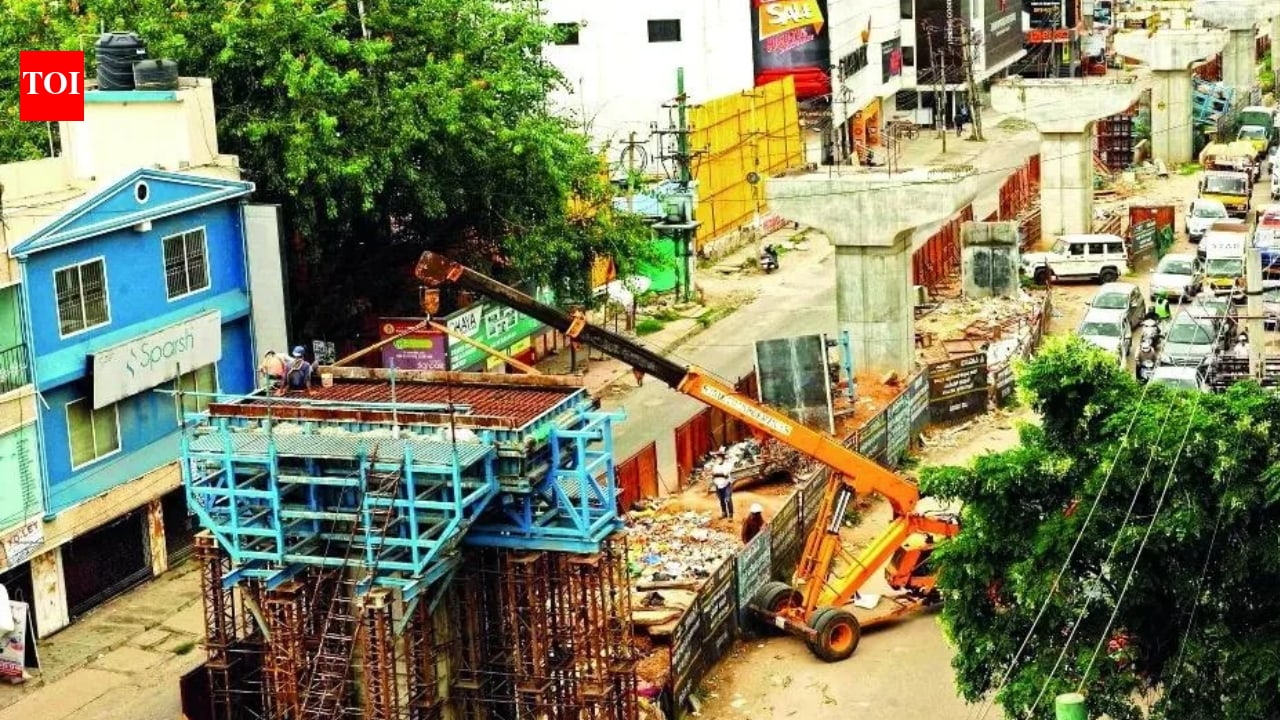
The Ejipura flyover in Bengaluru remains incomplete nine years after construction began, plagued by contractor failures and land acquisition hurdles. Despite missed deadlines and shifting project leadership, essential construction tasks persist, leaving the public frustrated.
The Saga of the Ejipura Flyover: A Chronicle of Urban Stagnation
An Infrastructure Paradox
In a striking juxtaposition of modern expectations versus local reality, while global gaming enthusiasts celebrate the launch of massive virtual worlds like GTA 6, residents of Bengaluru are still waiting for the completion of a physical infrastructure project that began nearly a decade ago. The Ejipura flyover, intended to be a critical artery for traffic management, has become a symbol of systemic inefficiency. Since its inception nine years ago, the project has failed to meet its original November 2019 completion deadline, serving as a stark reminder of the challenges inherent in urban planning and execution in one of India's fastest-growing cities.
A History of Contractor Instability
At the heart of the delay lies a volatile history of project management. Between 2017 and 2022, the contractor Simplex Infrastructure failed to deliver the project, leading to a period of administrative limbo. Following the collapse of this initial phase, the project underwent three failed tender processes before eventually being awarded to BSCPL. This constant turnover in project leadership has not only drained financial resources but has also contributed to a loss of institutional memory and momentum, stalling critical construction tasks that remain unfinished to this day.
The Hurdles of Land and Environment
Beyond the issues of contractor selection, the project has been perpetually hampered by complex logistical and environmental obstacles. The current phase of construction is facing significant roadblocks regarding land acquisition, which remains a chronic challenge in densified urban corridors. Furthermore, community objections regarding the removal of trees have added a layer of environmental oversight that, while necessary for sustainable urban development, has halted progress. These hurdles highlight the difficulty of balancing rapid infrastructure expansion with the legal and ecological sensitivities of a modern metropolis.
Socio-Economic Implications and Public Sentiment
The prolonged nature of this construction has had a tangible impact on the daily lives of Bengaluru residents. The public frustration is evident, with thousands of citizens actively engaging in polls and discussions regarding the project's mismanagement, environmental impact, and safety risks. For a city that prides itself on being a global technology hub, the inability to complete a single flyover project reflects a disconnect between the city’s economic aspirations and the ground-level reality of its public works department.
Future Outlook and Conclusion
The prospect of completing the project by the end of December appears increasingly unlikely, as essential tasks remain pending. The Ejipura flyover serves as a cautionary tale for urban planners. It underscores the necessity for rigorous pre-construction due diligence, more robust contract enforcement, and transparent communication with the public. Until the fundamental issues of land acquisition and project oversight are resolved, the flyover will remain a monument to bureaucratic delay rather than a solution to Bengaluru's traffic woes.