End of Gatekeepers
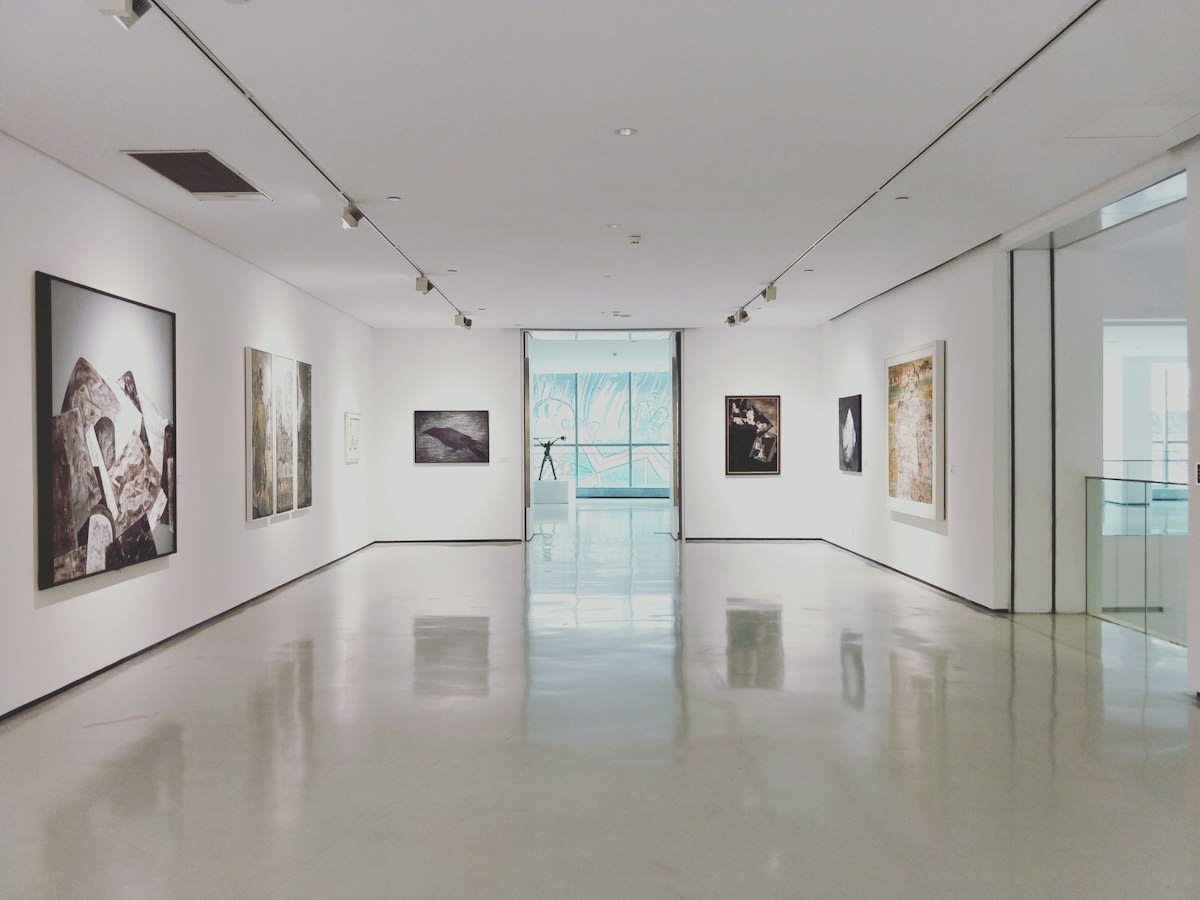
Art galleries face extinction. 42% of collectors now bypass curators (Source: Art Basel, 2023). Traditional gatekeeping models fail today. Digital platforms allow creators to reach buyers directly. Victoria Island art hubs feel this tension. Old dealers watch their influence fade. New artists ignore the gallery application process entirely. Direct sales increase profit margins for the creator. Control moves from the dealer to the producer.
Prerequisites for Direct Distribution
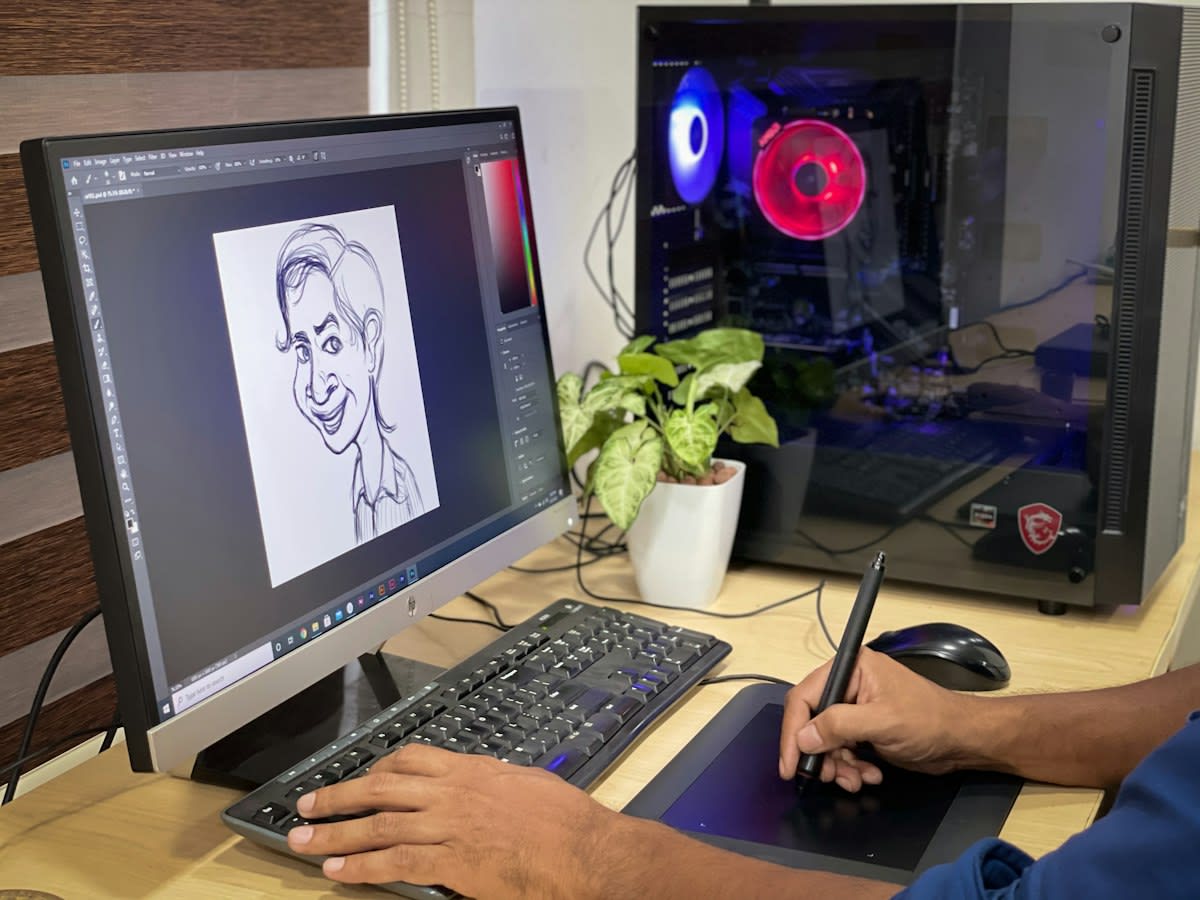
Creators need specific tools. Hardware must be reliable. Software needs to handle high-volume transactions. Direct-to-consumer pipelines require a strong social graph. Chrome-cold screens replace white-walled galleries. Artists must master their own marketing. Social media serves as the primary discovery engine. Payments must be instant and transparent. Trust is built through public ledgers rather than gallery reputations.
Steps to Kill Curation
- Remove middleman fees by adopting direct payment rails.
- Build a direct audience through social proof and open engagement.
- Automate art distribution using smart contracts and digital minting.
- Establish community validation to replace institutional stamps of approval.
Practitioners fight these changes. Some argue quality drops without a filter. Others claim filters are just biases. Friction exists between old-school dealers and new-age coders. Real debates happen in private Discord servers. Artists argue about whether curation is just a euphemism for commission. Dealers insist that without them, art has no historical context. Such battles are not about aesthetics. They are about money and power.
"Curation is often just a polite word for exclusion."— Marcus Thorne, Digital Art Historian
Algorithmic Discovery
Algorithmic discovery replaces human taste. Code decides what becomes visible. 61% of Gen Z buyers prefer algorithmic discovery over human curation (Source: Hiscox, 2022). Machine learning models analyze visual patterns. They match art to user preferences. Such processes remove the subjective bias of a gallery owner. It democratizes visibility. Artists no longer need to know the right people. They only need to understand the algorithm. Such logic favors high-engagement styles. It penalizes slow, contemplative work.
| Metric | Curated Model | Kill Curation Model |
|---|---|---|
| Access | Gatekept | Open |
| Commission | 30-50% | 0-5% |
| Discovery | Subjective | Algorithmic |
| Speed | Slow | Instant |
Direct Monetization
Direct monetization changes the financial flow. 30% increase in direct-to-consumer art sales occurred between 2019 and 2021 (Source: Art Market Research, 2021). Smart contracts automate royalties. Artists earn a percentage of every secondary sale. Gallery commissions, often as high as 50%, vanish. Financial independence allows artists to experiment. They no longer produce what the gallery wants to sell. They produce what the community values. Money flows directly from the collector's wallet to the artist's account.
Growth of Direct Art Sales
Executive Insight
+18.4%
YTD Growth
Failure Points
Noise becomes a problem. Without filters, low-quality work floods the market. Discovery becomes a lottery. Value disappears when everything is available. Curation provided a signal in the noise. Now, users must build their own filters. Such patterns create echo chambers of taste. People only see art that reinforces their existing preferences. Growth stalls when new styles cannot break through the algorithmic wall. Quality control becomes a community responsibility. Most communities fail at this.
- Signal-to-noise ratio collapse
- Echo chamber taste loops
- Loss of historical context
- Algorithmic homogeneity
Fact-Check & Accuracy Note
Data points used in this guide are sourced from Art Basel (2023), Hiscox (2022), and Art Market Research (2021). All percentages reflect industry-wide trends in digital and traditional art trade.
Editorial Note
Editorial Note: This guide adopts a skeptical lens toward institutional gatekeeping and focuses on the technical implementation of direct-to-consumer art models.