Cyber attack hits hundreds of French supermarkets, heating fridges to 122°F and sparking fires
Source Entity
US Top News and Analysis
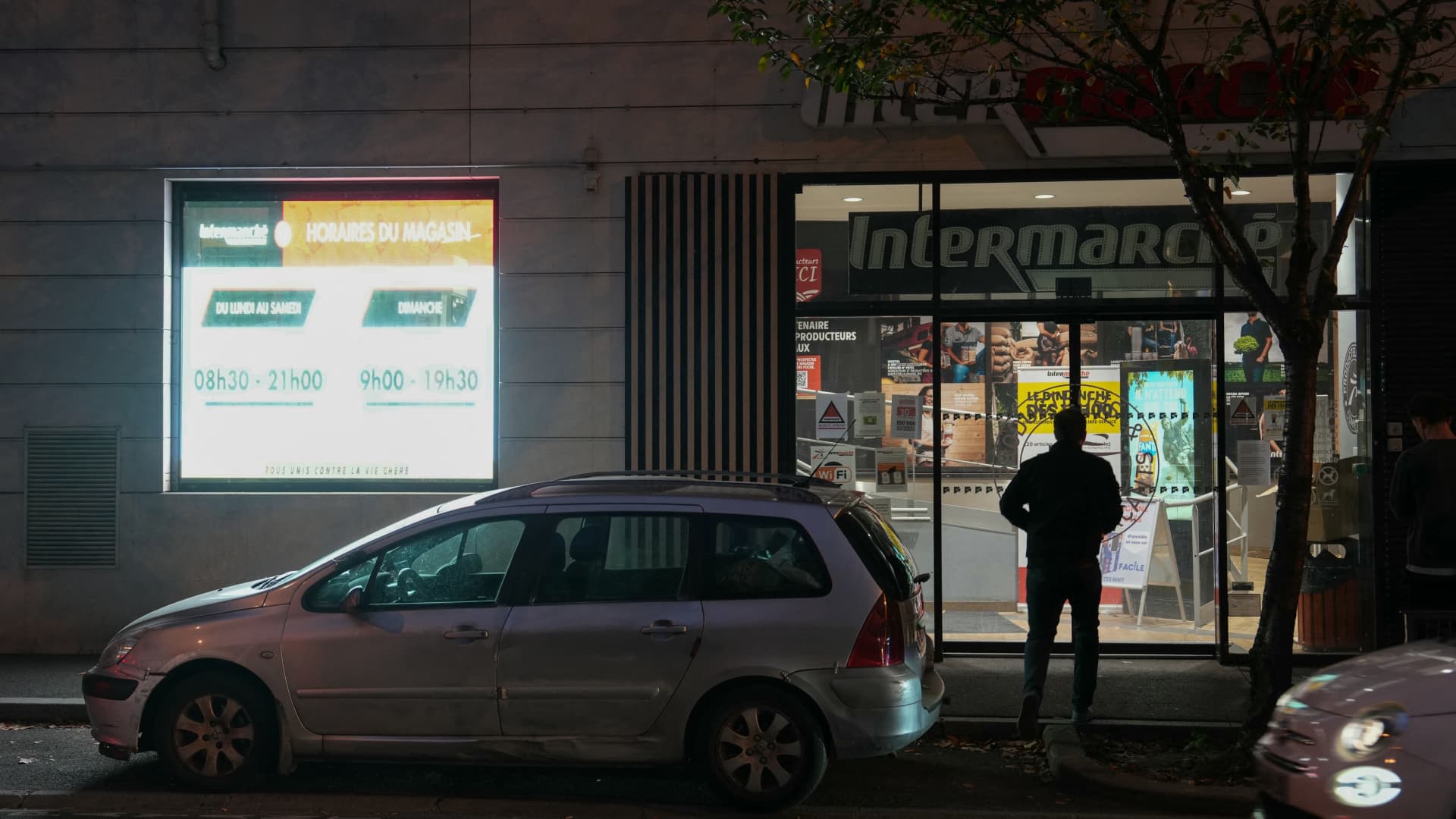
A sophisticated cyberattack on European supermarket refrigeration systems has caused widespread food spoilage by forcing units to heat to 50C. Major retailers including Intermarché, Leclerc, and Coopérative U are affected, prompting urgent concerns regarding infrastructure security.
The Weaponization of Infrastructure: Understanding the European Supermarket Cyberattack
A massive and unprecedented cyberattack has targeted the digital backbone of the European retail sector, specifically compromising refrigeration control systems manufactured by Danfoss. By infiltrating the software responsible for temperature regulation, malicious actors successfully forced hundreds of units across major chains—including Intermarché, Leclerc, and Coopérative U—to heat to 50 degrees Celsius (120 degrees Fahrenheit). The result has been the catastrophic loss of millions of euros worth of fresh and frozen inventory, signaling a shift in how cyber warfare can directly impact physical food security.
The Mechanics of the Breach
This incident highlights the inherent vulnerabilities of Industrial Control Systems (ICS) and the Internet of Things (IoT) in modern retail. The hackers did not merely shut down the systems; they actively manipulated the parameters to induce a state of continuous defrosting. By overriding the safety thresholds of these industrial cooling units, the attackers effectively turned essential cold-chain infrastructure into a destructive tool. Beyond refrigeration, the attack reportedly disrupted internal logistics, including delivery coordination and electronic shelf pricing, suggesting a coordinated attempt to paralyze store operations entirely.
Scale and Economic Impact
The sheer scope of the breach is staggering, with reports indicating that over 300 Intermarché and Netto stores, along with more than 100 Coopérative U outlets, were impacted overnight. Because the temperature spike lasted for several hours—in some cases up to six—retailers had no choice but to discard massive quantities of perishable goods to prevent public health risks. This represents not just a significant financial blow to the affected chains, but a profound disruption to the supply chain that ripples outward, impacting logistics partners and local food availability.
The Shift Toward Food Security as a National Security Issue
EU officials, including Food and Agriculture Commissioner Christophe Hansen, have characterized this event as a "reality" that signals a new frontier in cyber-terrorism. The exploitation of food infrastructure underscores a growing threat: the weaponization of civilian life-support systems. When retail infrastructure becomes a target, the implications extend beyond corporate balance sheets to the stability of the food supply itself, forcing policymakers to reconsider how critical infrastructure is defined and protected.
Future Trends and Defensive Implications
As we look forward, this event will likely trigger a massive audit of IoT security standards across the European Union. The reliance on centralized software platforms for store management creates a single point of failure that hackers are increasingly adept at exploiting. Retailers will likely be forced to implement "air-gapped" manual overrides for critical cooling systems and adopt more rigorous Zero Trust security architectures to prevent unauthorized remote access. This attack serves as a definitive wake-up call that in an interconnected economy, the safety of our food supply is inextricably linked to the strength of our digital firewalls.
Multiple Citing Sources