French Supermarkets Suffer Refrigerator Shutdown After 'Unprecedented' Cyberattack
Source Entity
NDTV News Search Records Found 1000
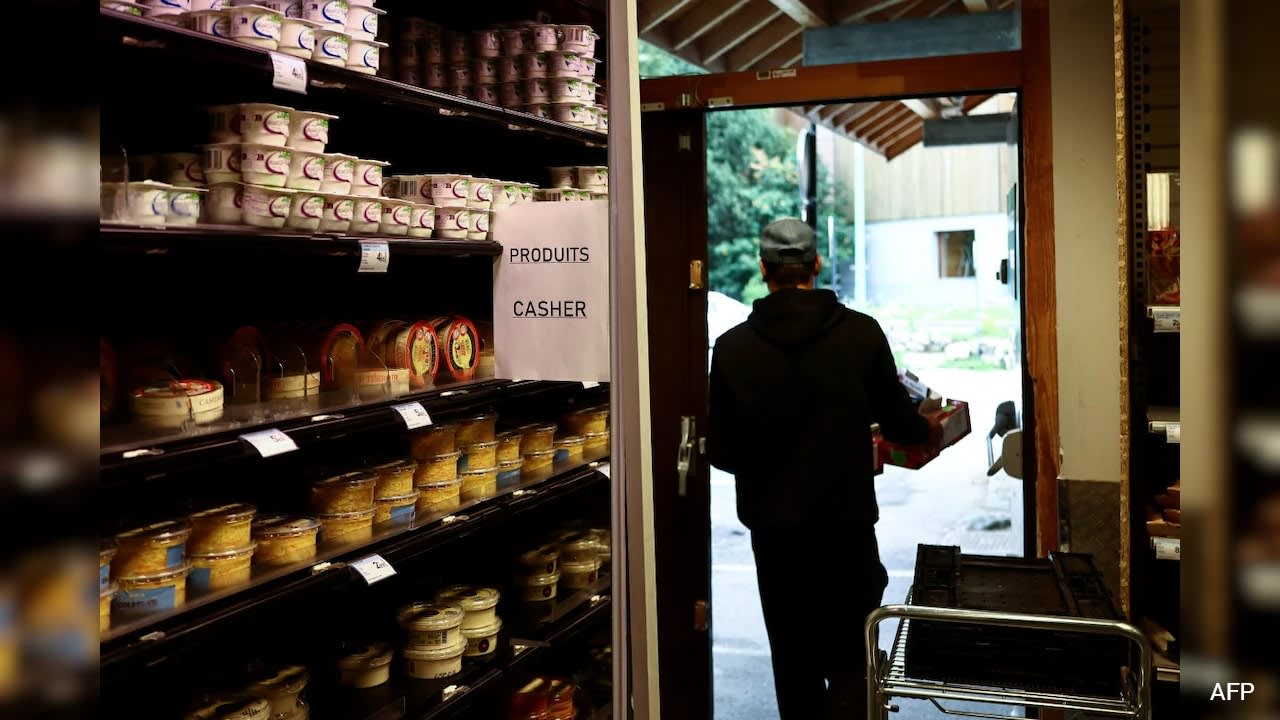
A sophisticated cyberattack has compromised refrigeration systems across major French supermarket chains, forcing units to heat to 50C and destroying millions of euros in food inventory. The incident has prompted urgent concerns regarding food security and the vulnerability of critical infrastructure.
The Weaponization of Industrial Controls: A New Frontier in Cyber Warfare
A massive and unprecedented cyberattack has targeted the critical infrastructure of major French supermarket chains, including Intermarché, E. Leclerc, and Coopérative U. By compromising Danfoss-made refrigeration control systems, hackers successfully manipulated the internal temperature of hundreds of retail outlets, forcing units to reach temperatures of 50 degrees Celsius (120 degrees Fahrenheit). This deliberate sabotage resulted in the overnight destruction of fresh and frozen food supplies, with estimated losses reaching into the millions of euros.
The Mechanics of the Attack
The breach appears to have exploited vulnerabilities within the software that regulates commercial cooling units. By gaining remote access, the attackers were able to override safety parameters, triggering a continuous defrosting cycle that effectively turned storage units into heating elements. In addition to the refrigeration failures, the breach reportedly disrupted secondary retail operations, including automated in-store pricing via electronic shelf labels and broader supply chain logistics, suggesting a highly coordinated effort to maximize operational chaos.
Scale and Immediate Impact
With over 300 Intermarché and Netto stores confirmed as targets, alongside more than 100 Coopérative U outlets, the sheer scale of the incident highlights a systemic weakness in the digital architecture of European retail. Retailers have been forced to discard massive quantities of inventory to ensure public health safety, preventing the sale of potentially compromised goods. The abrupt nature of the attack, which occurred overnight, left store managers with little time to mitigate the damage once the temperature spikes were initiated.
Broader Implications for Food Security
The incident has transcended simple retail disruption, prompting high-level concern regarding national and European food security. Christophe Hansen, the EU’s food and agriculture commissioner, took to social media to characterize the event as a harsh reality of modern digital exploitation. This attack demonstrates that critical food supply chains are no longer immune to cyber-terrorism, signaling a shift where attackers target basic human needs to exert pressure or cause societal alarm.
The Future of Infrastructure Defense
Looking ahead, this event will likely serve as a catalyst for a massive overhaul in how industrial Internet of Things (IIoT) devices are secured within the retail sector. The reliance on centralized control software for refrigeration—while efficient for energy management—has proven to be a single point of failure. Future trends will likely necessitate air-gapped backups, more robust multi-factor authentication for industrial control systems, and heightened regulatory scrutiny regarding the security protocols of hardware providers like Danfoss.
Conclusion
The sabotage of French supermarket refrigeration systems is a stark warning that the digital and physical worlds are increasingly intertwined in ways that threaten public welfare. As retailers recover from these multi-million euro losses, the focus must shift from purely economic recovery to implementing a resilient, defense-in-depth strategy that protects the integrity of the food supply chain from future digital incursions.
Verification Required?