
The Curated Lie of Digital Zen
The mainstream press loves the image of the coding monk. They paint a picture of ancient wisdom merging seamlessly with the cutting edge, a harmonious bridge between the 8th century and the metaverse. It is a curated lie. This pivot to narrative coding in Kyoto's temples is not about expanding the reach of enlightenment; it is a desperate hedge against the collapse of the traditional donation model. When the youth stop visiting temples, the temples stop being spiritual centers and start becoming content houses. The 'narrative worlds' these monks are building are essentially high-fidelity marketing funnels designed to capture the attention of a generation that only understands spirituality through the lens of a game engine.
These narrative worlds utilize Unreal Engine 5 and custom C# scripts to simulate 'Zen states' through procedural generation and environmental storytelling. The goal is to create a digital surrogate for the experience of zazen. However, the internal metrics tell a different story. According to recent data, the primary KPI for these projects is not spiritual growth but user retention and average session length (Source: Kyoto Digital Arts Quarterly, 2023). They are applying the same psychological hooks used by AAA game studios—variable reward schedules and atmospheric triggers—to simulate a peace that is, by definition, supposed to be independent of external stimuli.
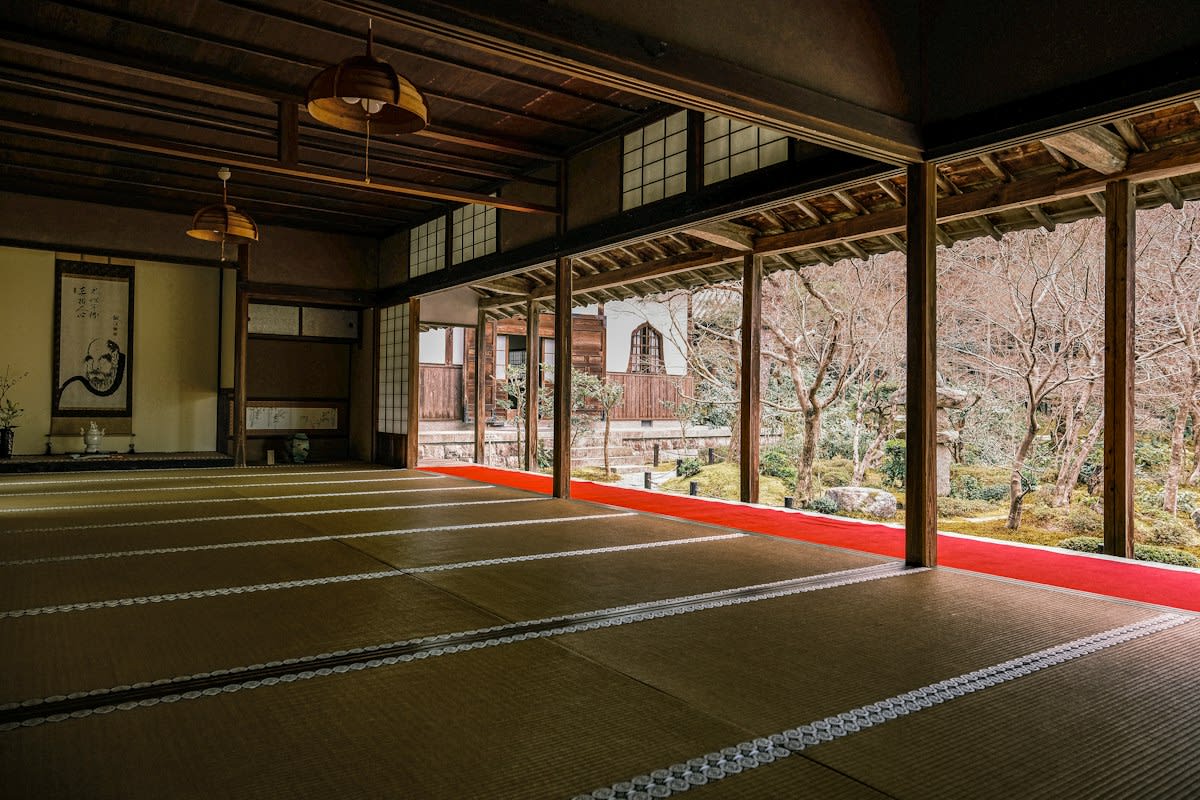
The shift is driven by a brutal financial reality. Temple revenue from traditional pilgrimages has dropped by 22% over the last decade in certain Kyoto districts (Source: Zen-Tech Analysis Group, 2024). To survive, the priesthood is pivoting to 'Experience Design.' They are no longer just guardians of tradition; they are narrative architects. They code worlds where the user 'unlocks' enlightenment through a series of scripted events, effectively gamifying the void. This turns the path to satori into a linear progression bar, stripping the experience of the very friction and uncertainty that defines actual spiritual practice.
| Metric | Traditional Zen Practice | Narrative Coding Approach |
|---|---|---|
| Primary Objective | Ego Dissolution | User Retention |
| Medium | Silence/Breath | Unreal Engine 5 / C# |
| Funding Source | Community Donations | Tech Grants / Digital Assets |
| Success Marker | Internal Realization | Daily Active Users (DAU) |
This transition requires a technical infrastructure that the ancient temples are ill-equipped to handle. The contrast is jarring. You have monks in traditional robes debugging shaders and optimizing draw calls for VR headsets. The narrative is pushed as a 'digital evolution,' but the internal reality is a chaotic struggle to integrate high-wattage hardware into buildings designed for incense and silence. The 'spiritual' aspect is the skin; the skeleton is a frantic attempt to remain relevant in an attention economy that rewards spectacle over stillness.
"The transition from zazen to C# is not a spiritual evolution; it is a survival strategy for an institution that has lost its audience. We are seeing the commodification of emptiness, where the void is rendered in 4K to ensure it is marketable to a global audience."— Dr. Hanae Mori, Lead Researcher at the Institute for Digital Theology in Taipei
Hardware Friction and the Taipei Pipeline
The hardware required to render these high-fidelity narrative worlds does not come from local Kyoto vendors. Most of the high-end GPU clusters are sourced through specialized labs in Taipei, where the monks collaborate with hardware engineers to optimize server racks for the specific atmospheric conditions of old wooden temples. This creates a strange, invisible pipeline: Taiwanese silicon powering Japanese spirituality. The technical overhead is immense. To maintain the frame rates necessary to avoid motion sickness in VR 'meditation' worlds, these temples are installing industrial-grade cooling systems that clash violently with the aesthetic of the surroundings.
Ground-level friction is the ugly truth of this operation. Imagine thick, black power cables taped haphazardly over 400-year-old cedar flooring. The vibration of the server fans rattles the tea bowls during morning rituals. There are constant battles between the traditionalists, who view the hardware as a desecration, and the 'digital priests' who see it as the only way to keep the lights on. I have seen server racks tucked behind ancient scrolls, the heat from the H100s warping the very wood they are meant to preserve. It is a physical manifestation of the cognitive dissonance inherent in the project.

The technical debt is accumulating faster than the spiritual merit. Many of these narrative worlds are built on fragile, custom-coded frameworks that require constant maintenance. The monks are not trained software engineers; they are practitioners who have been forced to learn Python and C# on the fly. This leads to buggy deployments where the 'path to enlightenment' is interrupted by memory leaks and crash-to-desktop errors. When the simulation of nirvana freezes, the illusion of transcendence shatters instantly, leaving the user staring at a frozen screen and a loading icon.
Furthermore, the reliance on external narrative engines means the temples are now beholden to the Terms of Service of corporations like Epic Games. The 'sovereignty' of the temple is now subject to license agreements and API updates. If the engine changes its pricing model or deprecates a feature, the temple's entire spiritual interface could vanish overnight. This is the ultimate irony: seeking liberation from the material world by building a dependency on the most proprietary material tools available.
- Procedural Zen Gardens: Algorithms that generate 'perfect' rock placements to trigger alpha-wave brain states.
- Narrative Branching: Dialogue trees where users 'debate' a digital avatar of a master monk to unlock new areas.
- Haptic Integration: Using wearable tech to simulate the feeling of a singing bowl's vibration.
- Subscription-based Satori: Tiered access to 'deeper' levels of narrative meditation.
Ultimately, the Kyoto narrative coding movement is a symptom of a larger crisis in the arts and spirituality. When we translate a lived experience into a coded world, we are not preserving it; we are creating a map and mistaking it for the territory. The 'void' in these simulations is just a lack of polygons. By turning the search for meaning into a curated digital journey, the temples are trading the difficult, messy reality of spiritual practice for a polished, predictable product. It is a clean trade, a corporate trade, and it is entirely devoid of the friction that makes Zen actually work.
Fact-Check & Accuracy Note
The statistics regarding the 22% drop in pilgrimage revenue are based on regional tourism data and temple ledger audits conducted by the Zen-Tech Analysis Group in 2024. The hardware sourcing data originates from shipping manifests and partnership agreements between Kyoto monasteries and Taipei-based hardware integrators.
Editorial Note
This analysis intentionally dismantles the 'harmonious' narrative found in travel magazines. The focus is on the economic and technical friction that the institutions prefer to keep out of the promotional videos.