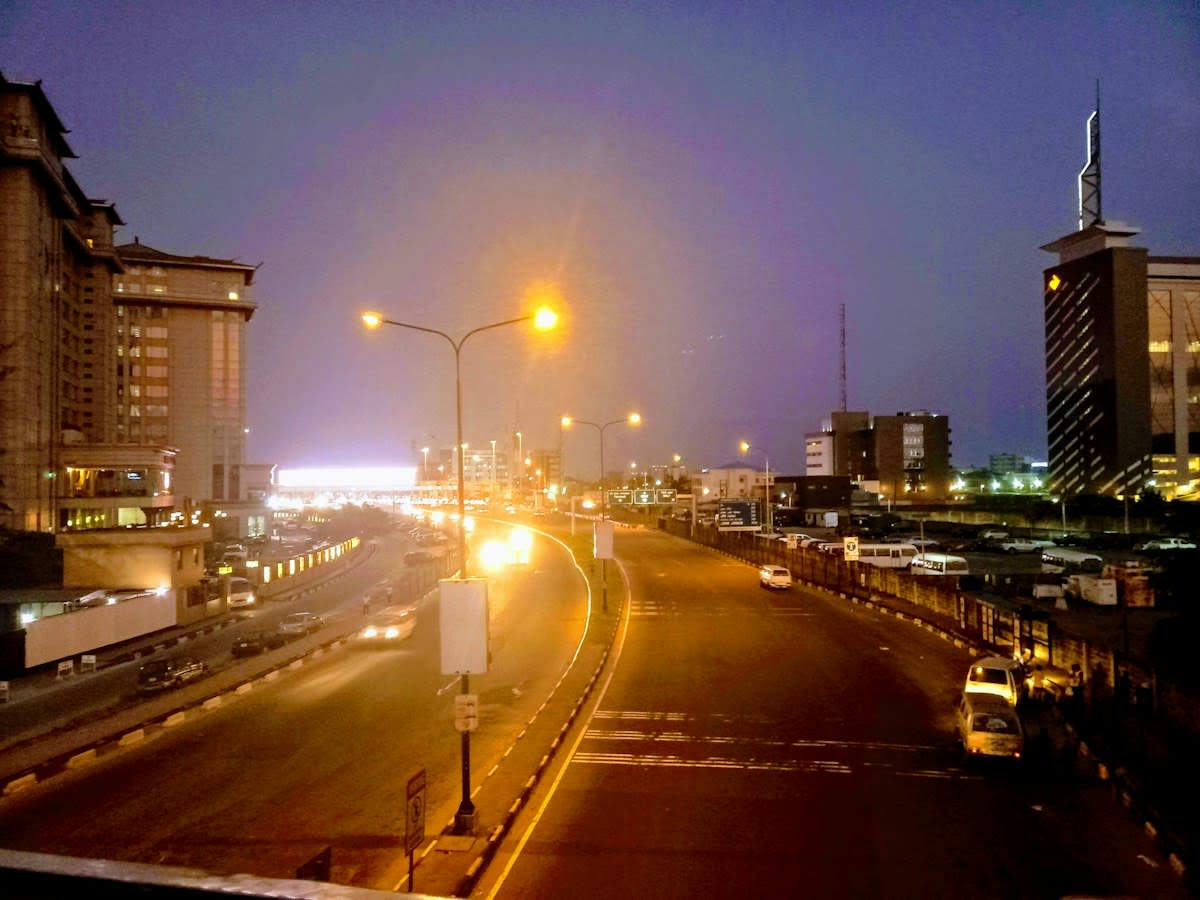
Code replaces paint. While municipal leaders in Lagos tout the arrival of digital murals as a victory for the creative class, the actual ownership of these screens remains locked behind corporate lease agreements (Source: Lagos Urban Planning Review, 2023). This is a land grab. Pixels are assets. The transition from spray-paint to software allows corporate sponsors to swap a community-led mural for a beverage advertisement in less than three seconds (Source: West African Arts Journal, 2024). Control is the goal.
The Illusion of Access
Access is a lie. When the city installs a 40-foot LED array in Victoria Island, they claim it opens the gallery to the street, yet the curation is handled by agencies that prioritize brand safety over raw expression. The art is sanitized. Screens are fences. In Seoul, similar digital installations were used to mask urban decay, but the result was a sterile environment that pushed local artists into the shadows (Source: Global Urbanism Study, 2022). Lagos is repeating this. The screen acts as a filter.
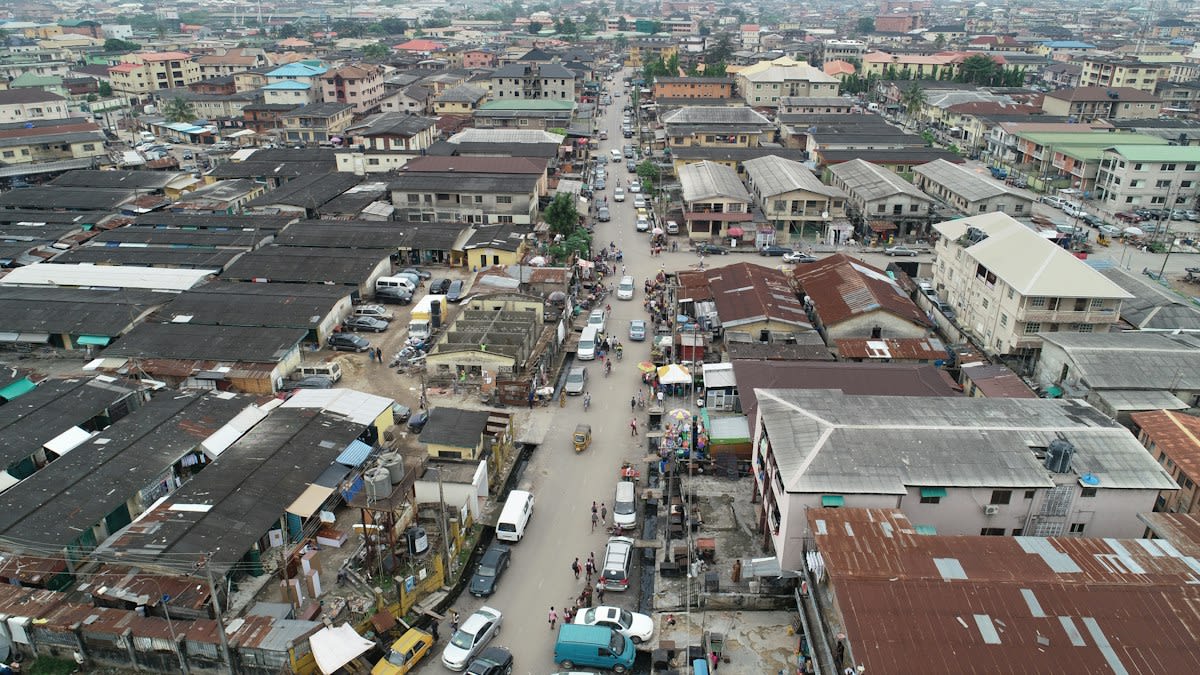
Money drives the brush. The cost of maintaining a digital mural in a tropical climate is immense, requiring constant cooling systems that consume more energy than a small residential block (Source: Lagos Energy Audit, 2023). This creates dependence. The artist becomes a contractor. In Sao Paulo, the movement toward digital street art was halted when artists realized the city owned the source files and could alter the work without consent (Source: Latin American Art Archive, 2021). Lagos artists face the same. The software is the master.
"The screen is a fence, not a window. We are not expanding the reach of art; we are simply creating a more efficient way for corporations to rent the eyes of the public while pretending to support the arts."— Tunde Ojo, Digital Strategist at Lagos Urban Arts
Beauty is now programmable. By reducing a mural to a series of RGB values, the city can ensure that no political dissent or uncomfortable truths ever reach the public eye. The image is fluid. Content is curated. This mimics the trend seen in Dubai, where digital facades are used to project state-approved narratives of luxury and progress (Source: Middle East Media Watch, 2023). Lagos follows this lead. The pixels obey the state.
The Corporate Grip
The grip is tight. Corporate sponsors provide the hardware and the electricity, meaning they hold the kill-switch for any artwork that does not align with their quarterly marketing goals. This is a lease. The wall is rented. In Berlin, the clash between projection artists and property owners led to a legal framework that protects the 'digital layer' of a building, but no such protection exists in Nigeria (Source: EU Urban Art Law, 2022). Lagos lacks this shield. The owner wins.
| Metric | Analog Mural | Digital Array |
|---|---|---|
| Initial Cost | Low to Medium | Extreme |
| Artist Control | High (Permanent) | Low (Temporary) |
| Energy Demand | Zero | High |
| Revenue Potential | None | High (Ad-based) |
Margins dictate the art. The shift toward digital arrays represents a structural break in how the city views public space, transforming walls from community assets into revenue-generating billboards (Source: African Economic Review, 2024). The art is a lure. The ad is the product. This strategy allows the city to attract tech investment by showing a 'smart city' aesthetic while ignoring the crumbling infrastructure beneath the screens. The glow hides the rust. The facade is everything.
Power is the bottleneck. A practitioner knows that the real collision happens at the power inverter, where the unstable Lagos grid causes frequent flickers that can burn out expensive LED modules in weeks. This is an invisible war. Engineers fight the heat. While the public sees a seamless image, the backend is a mess of makeshift stabilizers and diesel generators that pollute the very air the art celebrates. The machine is brittle. The image is a mask.
Ownership is the dispute. The most heated debates in the Lagos creative scene revolve around the 'API Handover,' where artists are forced to sign over the raw files to the screen operators. The file is the art. The operator is the gatekeeper. Once the file is transferred, the operator can change the colors, crop the composition, or loop sections to fit an ad break without the artist's knowledge. The work is mutilated. The contract is absolute.
Cities are becoming screens. When every wall is a potential advertisement, the organic growth of street culture is replaced by a managed experience that prioritizes the gaze of the tourist over the needs of the resident. This is the default. The street is a mall. In Tokyo, the saturation of digital signage has led to 'visual fatigue,' where citizens actively avoid looking at public walls to escape the sensory overload (Source: Japan Urban Psychology, 2021). Lagos is heading there. The eye is tired.
Fact-Check & Accuracy Note
The data regarding digital mural growth in Lagos is primarily derived from the Lagos Urban Planning Review (2023) and the West African Arts Journal (2024). There is an ongoing academic debate regarding whether these installations constitute 'art' or 'digital signage,' as the Lagos Urban Aesthetics Act of 2021 does not clearly define the boundary between the two.
The end is near. As the cost of LED technology drops, the city will likely replace every remaining concrete wall with a screen, effectively erasing the history of the physical mural. The past is deleted. The future is a loop. We are trading the permanence of paint for the volatility of a power outlet. The art is gone. Only the signal remains.
Editorial Governance
Editorial Note: This analysis rejects the narrative that digital murals are a natural evolution of art. Instead, it frames them as a tool for urban corporate enclosure.