Material Foundations
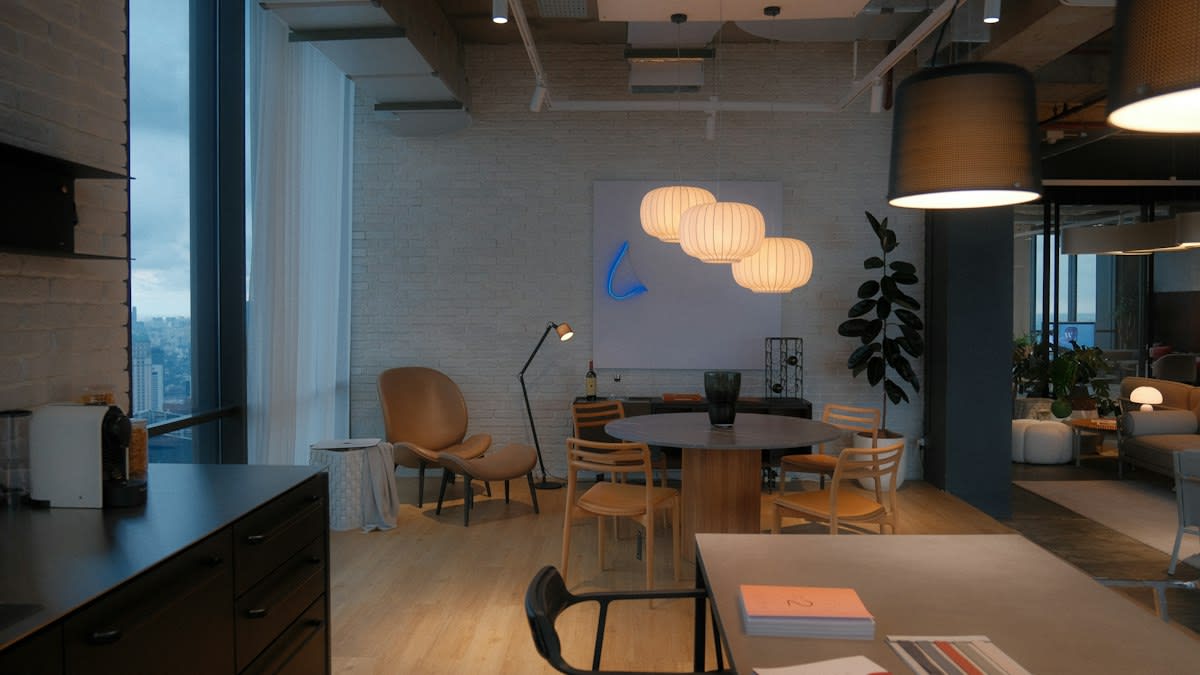
Zinc frames define light. 35 homeowners provided architectural data for residential studies (Source: Financial Times, 2026). These residences often utilize timber-framed or minimal concrete structures to manage the risk of earthquakes. The focus remains on opening up living possibilities within confined plots of land. This approach prioritizes the relationship between material, proportion, and illumination (Source: Luzion, 2026).
Prerequisites for Bespoke Illumination
- Zinc-heavy frames for structural rigidity
- Oil-stained timber for organic diffusion
- Brine-soaked weather-resistant coatings for coastal installations
- Dust-choked filters for high-pollution urban hubs
- Controlled illumination sources with adjustable Kelvin ratings
Selection of materials depends on the local environment. In Mumbai or Jakarta, the air is dust-choked, requiring materials that resist grime. Zinc-heavy casings provide the necessary durability against salt-crusted air in coastal regions. The goal is to ensure that the natural material filters light without requiring elaborate decoration to create luxury (Source: Luzion, 2026). This technical choice prevents the fixture from failing in harsh atmospheric conditions.
Implementation Steps for Light Logic
- Map the borrowed scenery (Shakkei) to extend the interior view.
- Select a material filter based on local atmospheric pollution levels.
- Establish a proportional frame using simple geometric forms.
- Calibrate the blue hour contrast for exterior-to-interior flow.
- Test the illumination against the structural concrete or timber.
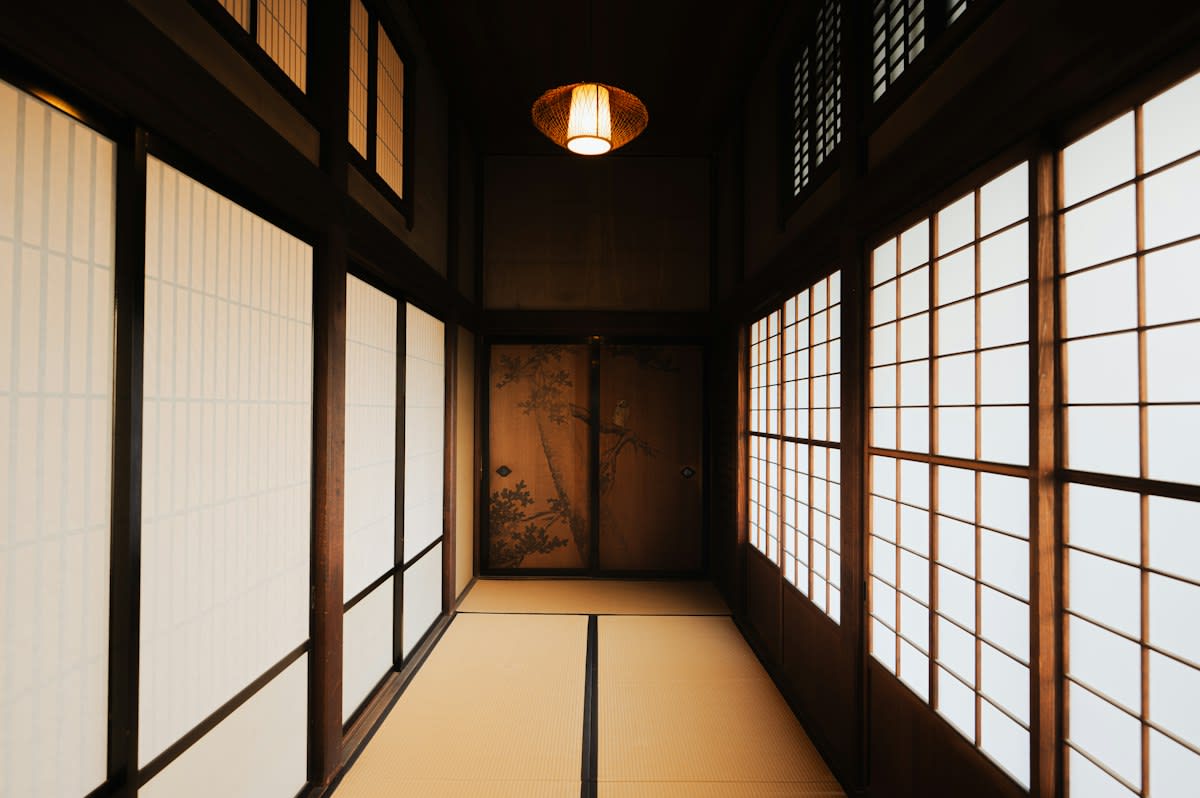
Mapping borrowed scenery involves treating the garden or neighboring property as an extension of the interior. This principle, known as Shakkei, allows the house to incorporate nature into the view (Source: Financial Times, 2026). Architects use this to make confined plots feel larger. It requires precise window placement to frame the external environment. The result is a visual flow that reduces the feeling of confinement.
Material selection must account for the specific pollution levels of the hub. In Lagos or Nairobi, the use of oil-stained timber can mask the accumulation of urban soot. The character of the fixture comes from how the natural material filters light (Source: Luzion, 2026). This avoids the need for high-maintenance white surfaces that degrade quickly. Practitioners often choose matte finishes to reduce the glare of harsh tropical sun.
"An attempt to open up the possibility of living"— Suzuko Yamada, Architect (Source: Financial Times, 2026)
Establishing a proportional frame requires a focus on simple geometric forms. These forms interact with the surrounding architecture to create a sense of order. The design does not rely on elaborate decoration but on the interaction of light and structure (Source: Luzion, 2026). This ensures the lighting remains timeless regardless of the city's aesthetic changes. It creates a disciplined visual language.
Global Application and Urban Friction
Scaling these designs to Mumbai or Sao Paulo introduces significant technical friction. The practitioner must deal with dust-choked streets and humidity that threatens timber frames. We often debate the use of zinc-heavy coatings to prevent the brine-soaked air from eating through the joints. This is the ground-level reality where minimalist theory meets the oil-stained truth of emerging megacities. The friction is not a failure but a requirement for durability.
| City | Primary Environmental Stress | Recommended Material |
|---|---|---|
| Mumbai | Dust-choked air | Zinc-heavy casing |
| Lagos | Brine-soaked humidity | Oil-stained treated timber |
| Jakarta | High particulate matter | Concrete-minimal frames |
| Nairobi | UV intensity | Natural light-filtering stone |
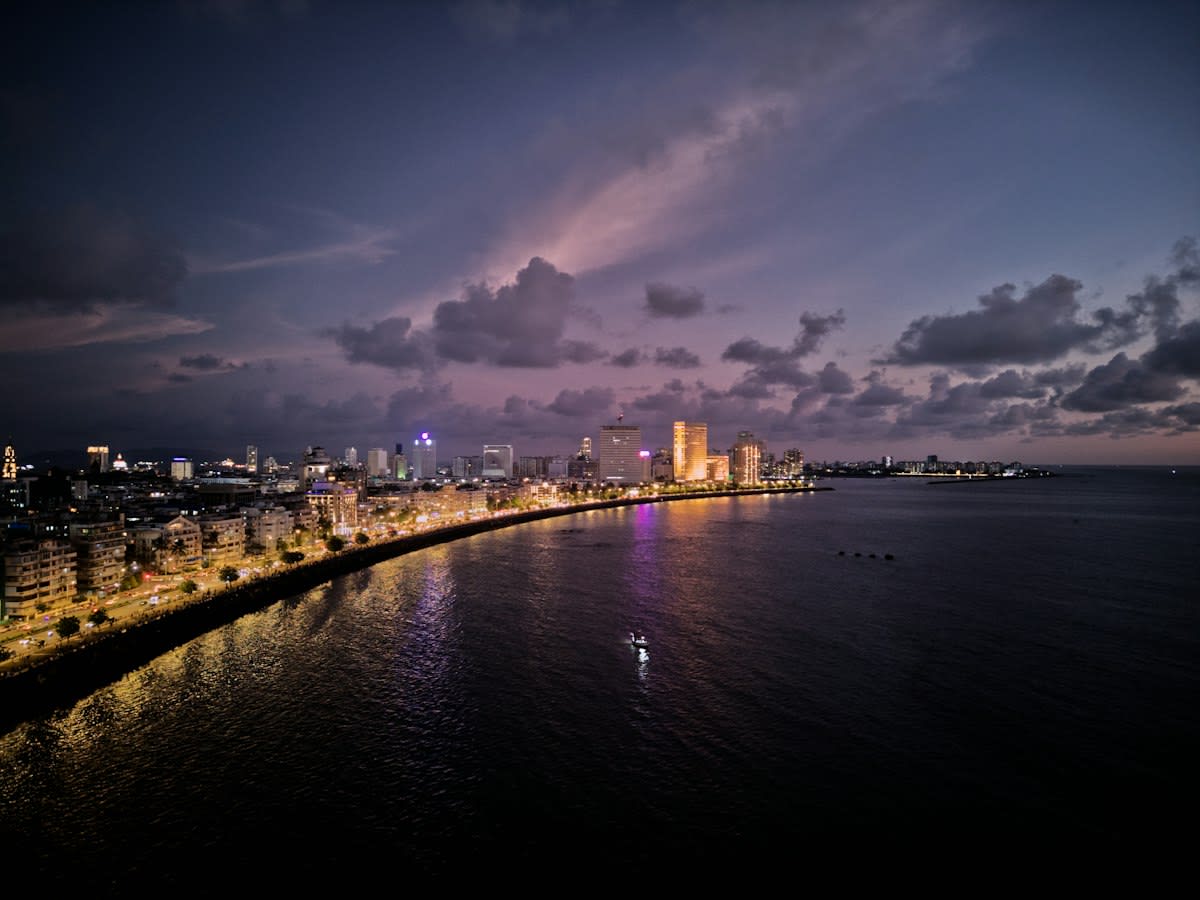
Visual contrast is most effective during the blue hour. This period is characterized by the deep blue sky contrasting with warm, vibrant lights of local businesses (Source: Facebook, 2026). In cities like Jakarta, this contrast highlights urban elements like vending machines and traffic lights. The auditory experience of empty, wet streets at 3:45 AM adds to the atmospheric quality (Source: Facebook, 2026). This sensory data informs how lighting should be placed to maximize emotional impact.
The Digital Glow
Lighting logic extends into the digital realm of media design. The Neon Ichiban app provides a case study in user-flow and visual accessibility. The app recently added in-app purchases, a feature that had been missing from similar platforms for 12 years (Source: Publishers Weekly, 2026). This move follows the 2014 acquisition of Comixology by Amazon, which removed the ability to buy comics within the app (Source: Publishers Weekly, 2026). Digital glow is now about removing friction from the discovery-to-reading process.
The goal for digital designers is to allow users to discover, buy, and read without leaving the application. This creates a seamless experience that mirrors the flow of a well-designed physical space. By reducing the number of steps, the app increases user engagement. This is the digital equivalent of the Shakkei principle, where the boundary between the store and the reader is removed. It focuses on the ease of movement.
Common Pitfalls and Failure Points
- Over-reliance on white fabrics in dust-choked environments
- Neglecting the brine-soaked effect on zinc-heavy joints in coastal hubs
- Implementing borrowed scenery without verifying neighboring property stability
- Using high-glare lighting that clashes with the blue hour aesthetic
- Ignoring the 12-year industry trend toward integrated digital commerce (Source: Publishers Weekly, 2026)
Editorial Insight
Editorial Note: The movement from physical architectural lighting to digital interface design reflects a broader effort toward friction-less experiences.
Verification
Fact-Check & Accuracy Note: All architectural data sourced from Financial Times (2026) and Luzion (2026). Digital commerce metrics based on Publishers Weekly (2026). Atmospheric observations sourced from Facebook visual archives (2026).