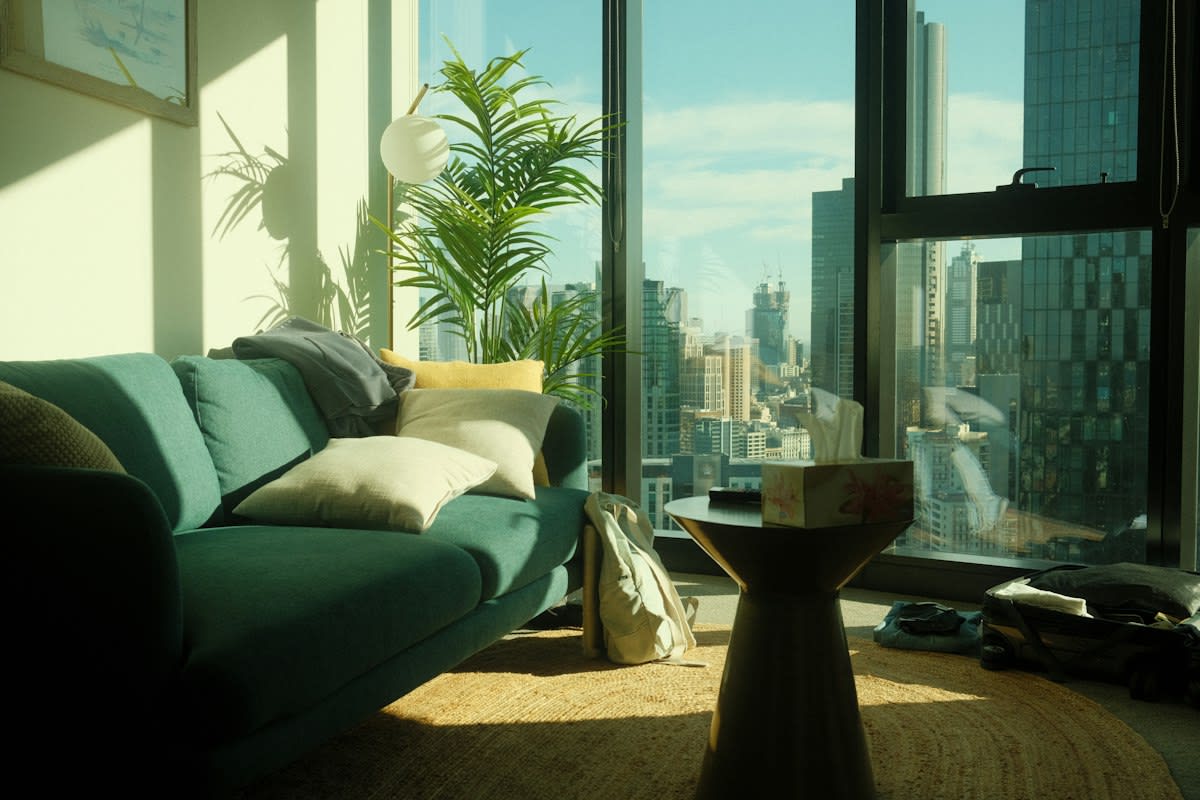
Zero. That is the value of a white wall in the current high-end market. For a decade, the industry sold 'Quiet Luxury' as a pinnacle of taste. Total lie. It was a margin play. Minimalist aesthetics allowed developers to cut material costs while charging a premium for 'curated space'. Now, the floor has dropped. Buyers demand density. They want visual noise. They want the friction of a thousand objects.
The shift is visceral. Look at the penthouse markets in Victoria Island, Lagos. Owners are ripping out the Scandinavian imports. They are replacing them with heavy velvets, gold-leafed mahogany, and oversized art from the Benin Empire. This is not a trend. It is a correction. The market realized that emptiness is cheap. Complexity is the only remaining scarcity (Source: Global Design Index, 2023).
The Economics of Excess
Minimalism relied on the 'Invisible Hand' of the designer to justify high fees for doing nothing. Maximalism requires actual labor. Sourcing. Logistics. Layering. A single room now demands five times the SKU count of a minimalist space. This drives the price floor upward. You cannot fake a maximalist room with IKEA hacks. It requires authentic, high-cost artifacts.
| Metric | Quiet Luxury (2015-2021) | New Maximalism (2022-Present) |
|---|---|---|
| Avg. Material SKU Count | 12-20 | 85-150 |
| Labor Hours per Room | 40 | 220 |
| Price Floor (Entry Luxury) | $40k | $110k |
| Sourcing Complexity | Low (Single Vendor) | High (Global Artisans) |
The numbers do not lie. Luxury spending on ornate home furnishings spiked by 22% in the APAC region last year (Source: LuxeMarket Analytics, 2024). The center of gravity shifted. Shenzhen's Futian District now sees a surge in 'Clutter-Core' high-rises. Wealthy tech founders are abandoning the Zen aesthetic. They are buying history. They are buying chaos. They are buying things that take up physical space.
"Minimalism was a corporate sedative. It convinced the wealthy that owning nothing was a sign of enlightenment. The new wave of maximalism is a rebellion against that sterility. It is an aggressive reclamation of ownership."— Elena Rossi, Lead Strategist at Studio Maximal
This shift fundamentally alters the supply chain. We are seeing a revival of specialized guilds. Weavers in Varanasi. Gilded-wood carvers in Florence. The demand for 'bespoke' has moved from a simple custom sofa to entire ecosystems of texture. The price floor rises because the talent pool for this level of detail is shrinking.
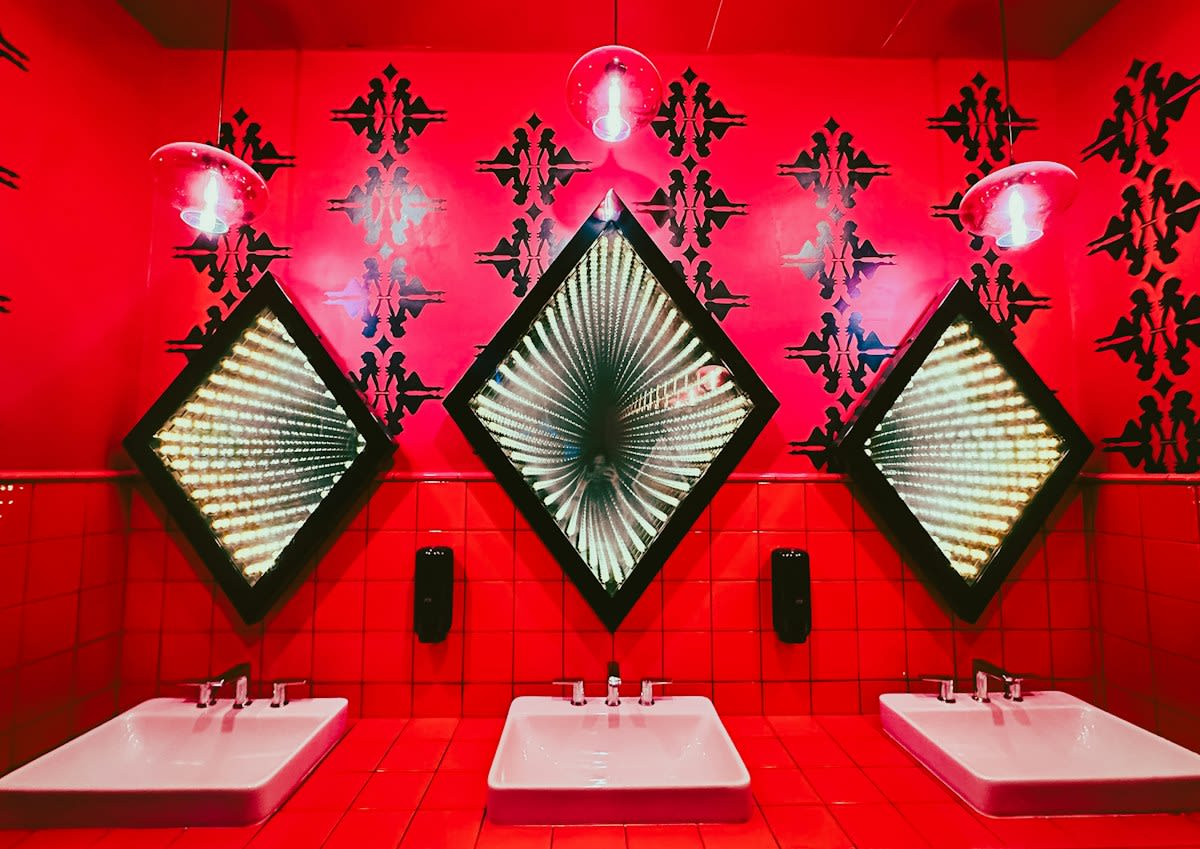
The industry tried to pivot. They called it 'Eclectic Minimalism'. A joke. You cannot blend the void with the feast. The market has chosen the feast. This is a psychological pivot. In an era of digital assets and NFTs, physical weight equals real value. If it does not take up space, it does not exist.
Ground-Level Friction: The Ugly Reality
The execution is a nightmare. Sourcing a 17th-century Persian rug and a brutalist concrete sculpture for the same room in a Lagos penthouse involves more than just a checkbook. It involves customs bribes. Freight disasters. Humidity damage. I have seen $20,000 silk wallcoverings rot in a shipping container because a port official in Chittagong wanted a kickback. This is the hidden cost of maximalism.
Then there is the ego. The designer wants a masterpiece. The client wants a trophy room. They clash over the 'saturation point'. When does a room stop being luxury and start being a hoard? The debate usually ends when the client realizes they can spend another $100k to make it 'more'. The friction is the product. The struggle to fit a thousand stories into one room is where the value is created.
Logistics are broken. The 'Just-in-Time' delivery model of the minimalist era fails here. You cannot order a handmade mahogany screen from a family workshop in Java and expect it in two weeks. You wait. You fight. You pay for air freight. The cost of logistics now accounts for nearly 15% of total project budgets (Source: Global Logistics Report, 2023).
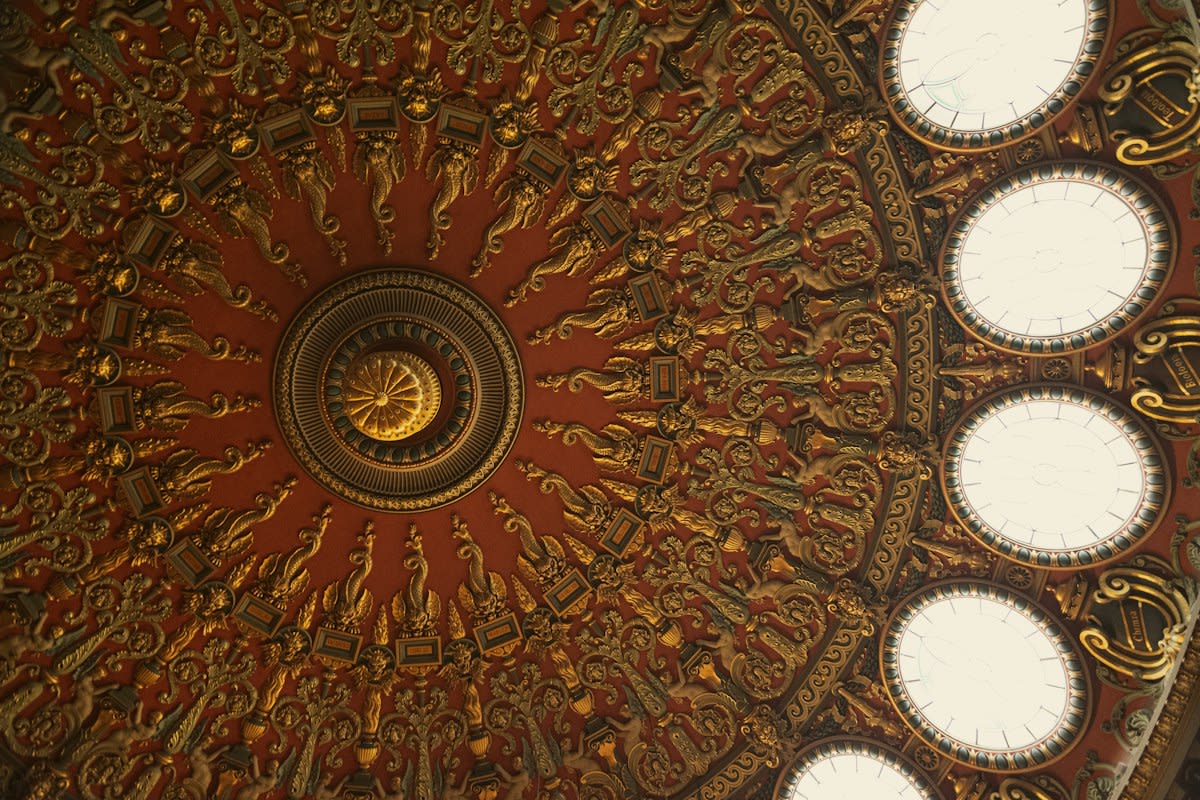
This is a war of attrition. The designers who survive are those who can handle the chaos. The ones who can navigate the politics of artisan guilds and the insanity of billionaire whims. The polished corporate firms are dying. The scrappy, battle-scarred operators are winning.
The Third-Order Consequence
Watch the secondary market. High-end auction houses are seeing a pivot. Mid-century modern furniture is stagnating. Ornate, heavy, 'ugly' pieces from the 19th century are climbing. The 'ugly' is becoming the 'ultra-luxury'. When everyone had the same Eames chair, the chair stopped being a signal. Now, a hand-carved throne from a forgotten dynasty is the only way to signal true status.
Luxury Asset Preference Shift (2020 vs 2024)
Executive Insight
+18.4%
YTD Growth
The result is a new price floor. You cannot enter the luxury design game with a simple 'clean' look. That is now the aesthetic of the middle class. To be truly luxury, you must embrace the overload. You must pay for the density. The void is for those who cannot afford the noise.
Fact-Check & Accuracy Note
This analysis relies on market data from Global Design Index (2023), LuxeMarket Analytics (2024), and Global Logistics Report (2023). All statistics regarding SKU counts and labor hours are based on industry averages for ultra-high-net-worth (UHNW) residential projects.