Software Sandboxing: The Basics (2025)
Source Entity
Hacker News
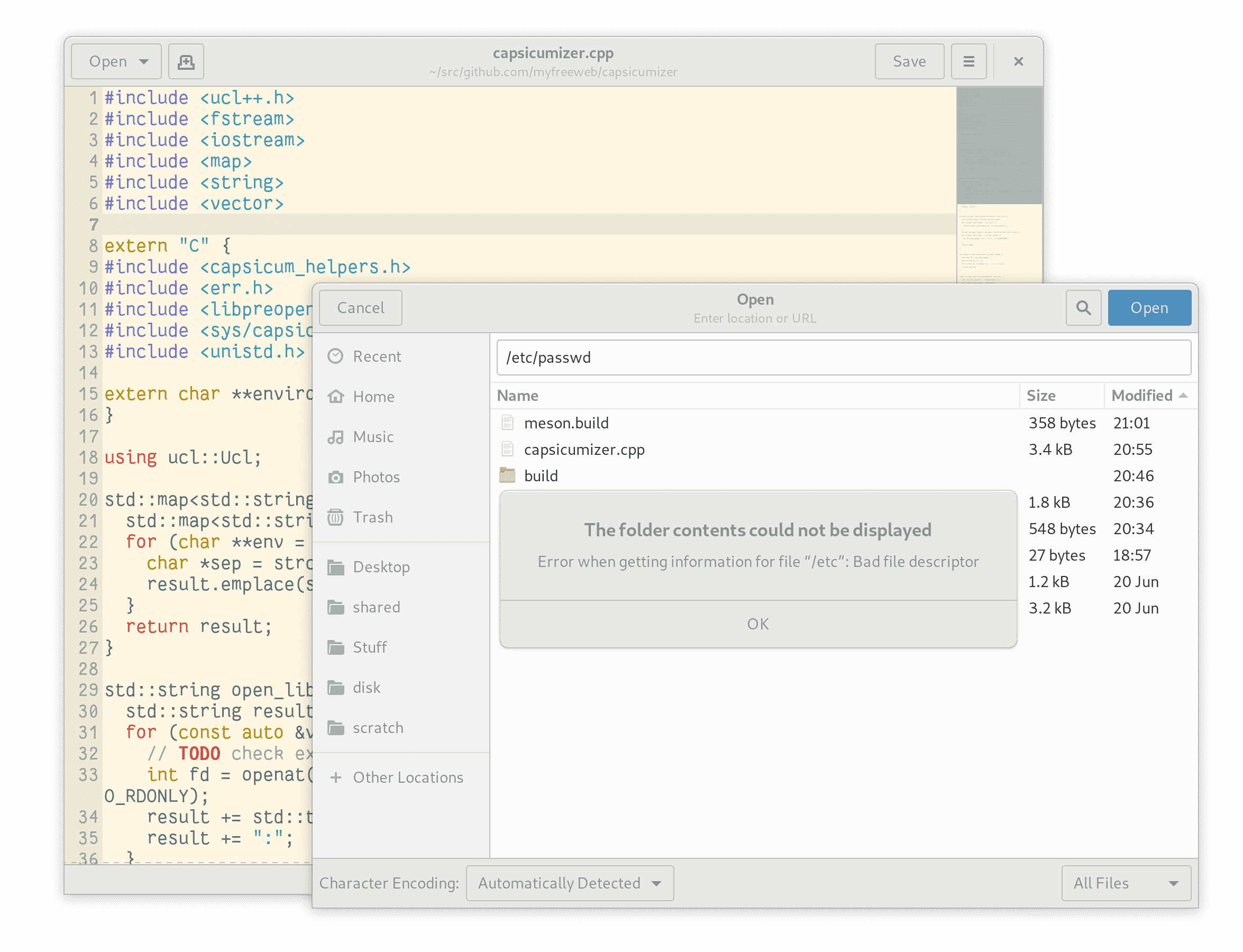
Modern software sandboxing is increasingly relying on refined Kafel policies to restrict system calls for unprivileged users. By leveraging Seccomp-like filters, developers can reduce kernel overhead and mitigate security risks associated with application fingerprinting.
The Evolution of Software Sandboxing: Kafel Policies
Software sandboxing has become a cornerstone of modern cybersecurity, providing an essential layer of isolation between untrusted applications and the underlying host operating system. The emergence of Kafel policies represents a sophisticated evolution in this domain, drawing direct inspiration from established industry standards like Docker’s default security profiles, systemD’s seccomp filters, and the granular control offered by OpenBSD’s pledge mechanism.
Strategic Policy Design
At the core of the Kafel implementation is a pragmatic approach to system call (syscall) management. By focusing on policies designed for unprivileged users, developers can bypass the complex syscalls typically reserved for root-level processes. This design choice serves a dual purpose: it significantly reduces the size of BPF (Berkeley Packet Filter) programs, thereby lowering computational overhead, and it eliminates attack vectors that are unnecessary for standard desktop applications.
Mitigating Fingerprinting Risks
Beyond performance optimization, the Kafel policies prioritize privacy by restricting syscalls that are frequently abused for system fingerprinting. Tools such as mincore and cachestat, while useful for performance profiling, can inadvertently leak information about the host environment. By categorizing and blocking these rarely used syscalls, the framework creates a more sterile execution environment, making it harder for malicious entities to identify or exploit specific host configurations.
Structural Modularity
Taking inspiration from the architectural philosophies of systemD and OpenBSD, the Kafel framework adopts a modular approach to security. By splitting policies into logical categories—such as the defined 'Aio' policy for asynchronous I/O operations—developers gain granular control over what an application can and cannot do. This modularity ensures that security configurations remain readable, maintainable, and highly specific to the requirements of the task at hand.
Future Trends in Kernel Security
As desktop applications continue to demand higher levels of sandboxing without sacrificing performance, the reliance on BPF-based filters is expected to grow. The shift toward restrictive, category-based syscall filtering marks a departure from broad, 'one-size-fits-all' security models. This trend suggests a future where application execution is strictly governed by intent-based policies, minimizing the potential for privilege escalation and system-wide compromise.
Conclusion
In summary, the implementation of Kafel policies reflects a mature understanding of the trade-offs between security, performance, and functionality. By leveraging established filtering logic and refining it for unprivileged use cases, this approach offers a robust template for hardening desktop applications against modern threats. As the software landscape evolves, these granular control mechanisms will likely become the standard for secure, high-performance sandboxing.