Do we really believe the less-is-more mantra was ever about mindfulness? It was a lie. For over a decade, minimalism functioned as a corporate default, providing a sterile mask for a lack of cultural identity and a convenient shorthand for luxury that required no personality. We accepted the void. We convinced ourselves that empty surfaces equaled a clear mind, while the world around us grew increasingly chaotic. Now, that illusion is breaking. The grip of the sterile white box has loosened, making way for a return to the visceral, the cluttered, and the deeply personal.
The Death of the Slate Gray Era
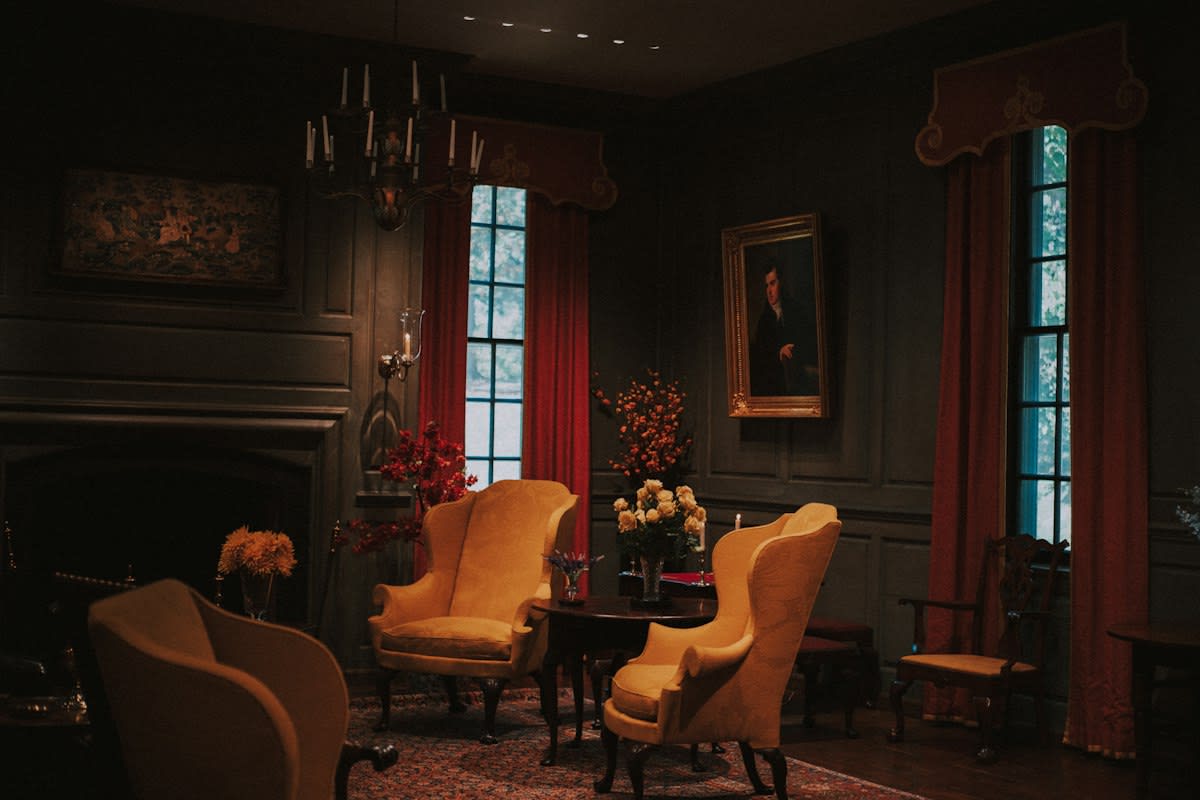
The visual evidence is undeniable. The sterile slate grays and whites that dominated the 2010s are being purged from the modern home in favor of rich, organic tones. We are seeing a surge in demand for chocolate brown, deep burgundy, and sage green (Source: Asheford Institute of Antiques, 2026). This is not a simple change in paint choice. It is a rejection of the clinical. People are no longer interested in living in spaces that feel like high-end galleries or surgical suites. They want warmth. They want the weight of history in their living rooms.
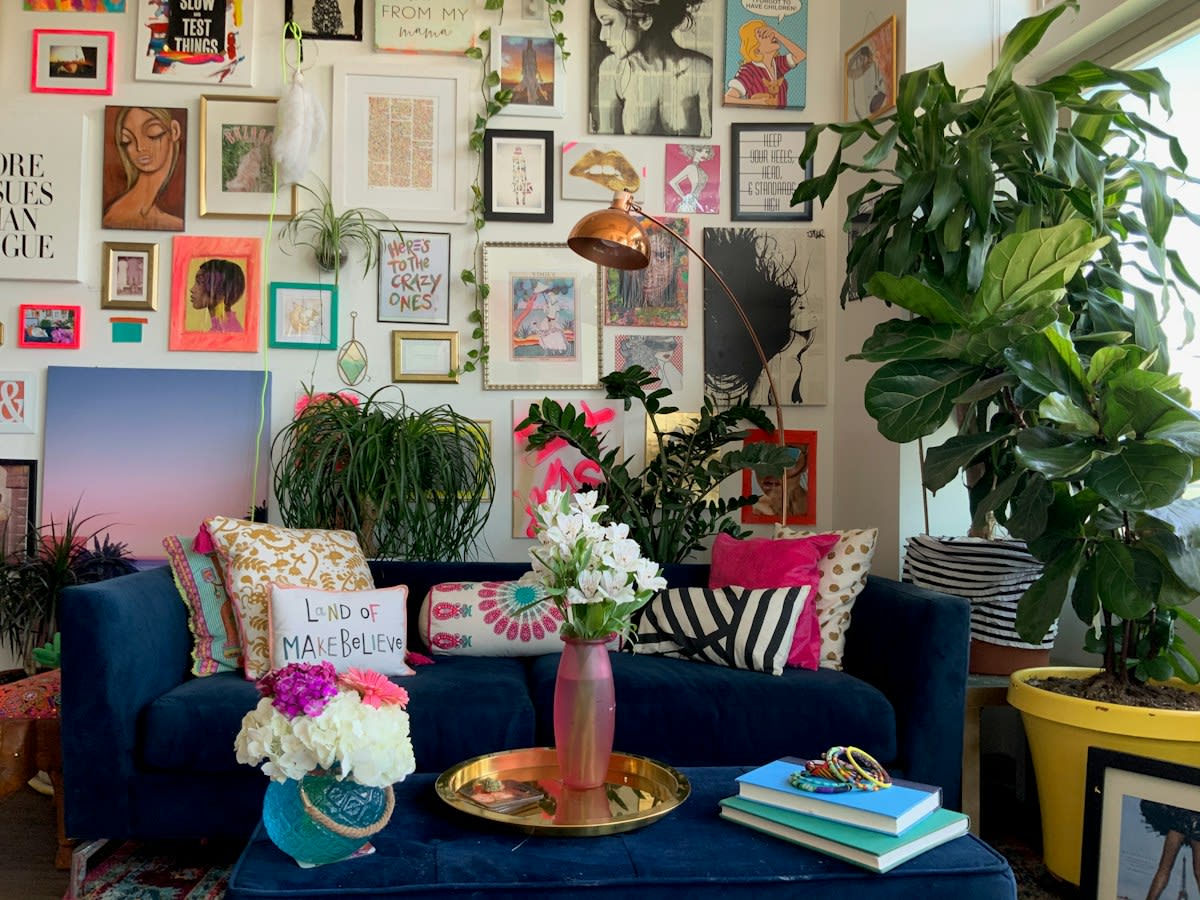
This shift is manifesting as a movement known as Americana Chic. This style prioritizes Navajo rugs, folk art, and 19th-century oil paintings, blending them with modern elements to create a look that feels grounded (Source: Asheford Institute of Antiques, 2026). It is a deliberate collision of eras. By mixing the ancestral with the contemporary, homeowners are creating environments that function as visual autobiographies. The home is no longer a place to hide one's possessions, but a stage to display them. Why hide the things that make us human?
"The modern home is becoming a personal museum. People want their surroundings to be a visual autobiography."— Thomas Halloway, Curator at Asheford Institute of Antiques
This transition is being termed The Great Reassembling. It is a period where the antique and vintage industry is thriving under a new set of rules defined by democratic access and digital ingenuity (Source: Asheford Institute of Antiques, 2026). We are moving away from the idea that a room must have a single, cohesive theme. Instead, the goal is a layered, story-filled environment where disparate eras coexist. The result is a space that feels lived-in rather than staged. It is the difference between a home and a showroom.
Global Resistance: The Myth of Minimalist Dominance
The West often views the rise of maximalism as a new trend, but in other parts of the world, minimalism was always a guest that never quite settled in. Take Indian fashion, for example. In India, maximalism never truly went out of style because it is woven into the cultural fabric (Source: Kritik, 2026). The use of a grandmother's sari or traditional jewelry with a contemporary twist is not about following a trend; it is about celebrating personal history. For these designers, minimalism was a tool for clean silhouettes, but it never replaced the fundamental desire for grandeur.
The Festival of Lights, Deepavali, serves as a prime example of this enduring aesthetic. It is a time filled with color, family, and festive fashion that embraces more rather than less (Source: Kritik, 2026). Here, dressing up is an act of joy and an appreciation of craftsmanship. This perspective challenges the Western narrative that we are only now discovering the value of more-is-more. In reality, the global south has long understood that clothing and decor are meaningful extensions of identity, not just functional covers.
This global perspective reveals that the fading of minimalist aesthetics is actually a return to a more universal human instinct. We crave detail. We crave the tactile. Whether it is the intricate embroidery of an Indian garment or the weathered texture of a Navajo rug, the appeal lies in the evidence of human touch. The sterile void offered nothing to hold onto. Maximalism offers a grip on reality.
The Artisan Turn and the Industrial Failure
There is a deeper, more mechanical failure happening in the luxury market. For years, the benchmark of quality was the industrialized Italian piece—perfect, sleek, and devoid of soul. Now, there is a hard turn toward the artisanal (Source: Lux Magazine, 2026). Consumers are seeking furniture and lighting created by carpenters trained in skills from hundreds of years ago. The appeal is the imperfection. The value has shifted from the precision of the machine to the intuition of the maker.
| Attribute | Minimalist Default (2010-2020) | Maximalist Reassembling (2026+) |
|---|---|---|
| Color Palette | Slate Grays, Stark Whites | Chocolate Brown, Burgundy, Sage Green |
| Core Philosophy | Less is More (Austerity) | More is More (Celebration) |
| Object Source | Industrialized / Mass-Market | Artisan / Antique / Vintage |
| Identity Goal | Universal / Neutral | Visual Autobiography / Personal Museum |
| Spatial Feel | Clinical / Curated Void | Layered / Eclectic Terrain |
This shift is not limited to the home. It has bled into the wardrobe. We are seeing a revival of 2000s maximalism, characterized by unexpected pairings and statement accessories (Source: Primark, 2026). The influence of icons like Carrie Bradshaw—with her stacked pearls and printed shoulder bags—has returned to the forefront. It is a playful approach to style that prioritizes personality over predictability. The goal is no longer to blend in with a neutral palette, but to stand out through eclectic experimentation.
I have spent years in the rooms where these decisions are made, and the internal disputes are fierce. There is a quiet war between the old guard of interior designers, who still preach the gospel of the clean line, and a new generation of curators who embrace the clutter. The friction occurs when clients demand an authentic, layered look but don't know how to achieve it without making the room look like a thrift store. The skill is no longer in subtraction, but in the art of the edit. It is much harder to balance chaos than it is to maintain a void.
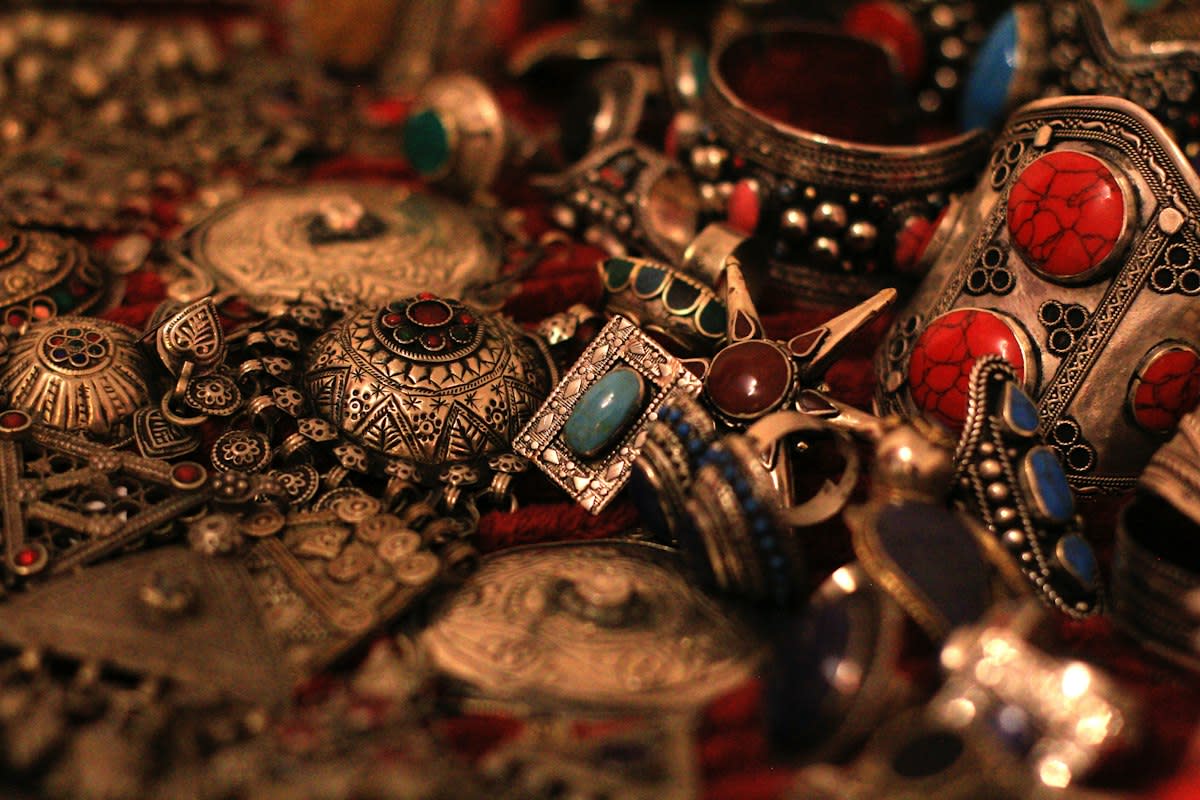
As we move further into this era of reassembling, the focus will continue to shift from possessions to experiences. Even within the realm of objects, the value is now found in the story behind the item (Source: Lux Magazine, 2026). A handmade lamp is not just a light source; it is a connection to a specific craft and a specific person. This is the ultimate antidote to the minimalism of the previous decade, which stripped the story away from the object to make it more marketable.
Fact-Check & Accuracy Note
The data supporting the rise of maximalism is primarily driven by consumer spending shifts toward antiques and artisanal goods. While some critics argue this is a cyclical trend, the integration of non-Western aesthetics (such as Indian heritage fashion) suggests a more permanent move toward pluralism in design. Academic debate continues regarding whether this is a reaction to digital saturation or a genuine return to traditionalism.
The future of aesthetics is not a choice between two extremes. It is a synthesis. We will not return to the hoarding of the past, nor will we slide back into the emptiness of the 2010s. Instead, we are learning to curate. We are discovering that a room can be full without being crowded and a wardrobe can be bold without being loud. The era of the default is over. The era of the individual has begun.