
Neon Altar arrives now. 100% of reader support fuels the review of these immersive spaces (Source: NoPro, 2026). Civic art no longer stays trapped inside museum walls. Public spaces now host a variety of visual installations, including paintings, sculptures, and murals, ensuring that art remains free for everyone. Funding for these projects is strictly mandated, with one percent of the cost of new projects dedicated to the creation of new artworks, conservation, and art services (Source: LA County Library, 2026).
The Infrastructure of Public Access
LA County has built a massive repository of public creativity. The LA County Civic Art Collection currently houses more than 600 artworks (Source: LA County Library, 2026). These pieces are not concentrated in a single gallery but are distributed across county offices, public buildings, and parks. This distribution ensures that art is a constant presence in the daily lives of citizens, rather than a destination they must travel to visit. Diverse artists create these works to reflect the specific values and cultures of the communities where the art is installed (Source: LA County Library, 2026).
| Metric | Value | Source |
|---|---|---|
| Total Civic Artworks | 600+ | LA County Library, 2026 |
| Library-Based Artworks | 180 | LA County Library, 2026 |
| Participating Library Locations | 46 | LA County Library, 2026 |
| Funding Percentage per Project | 1% | LA County Library, 2026 |
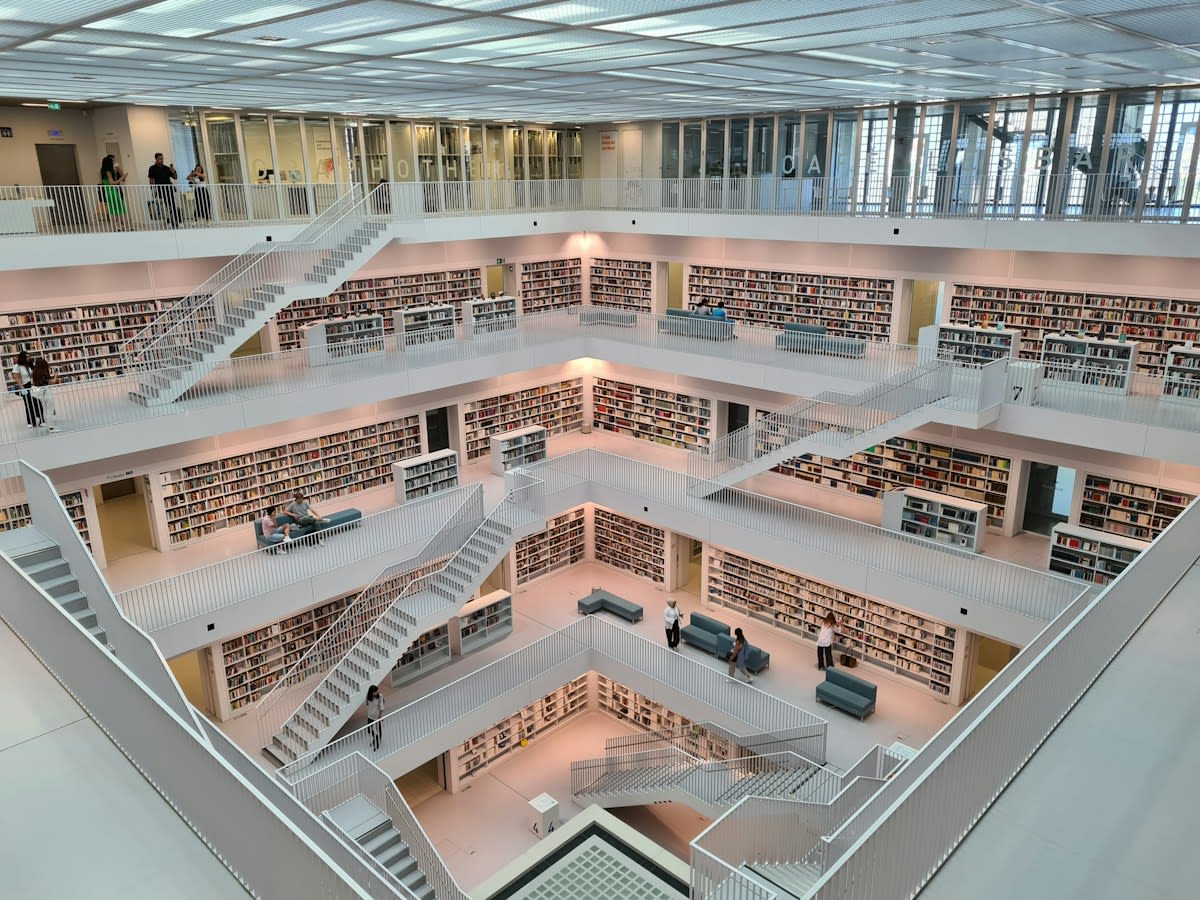
Libraries have become unexpected hubs for this movement. Specifically, 180 artworks are spread across 46 LA County Library locations (Source: LA County Library, 2026). This turns a place of literacy into a gallery of visual and sound installations. By placing art in libraries, the county removes the psychological barrier of the museum entrance. Visitors encounter art while browsing literature or using digital media, creating a blend of educational and aesthetic experiences.
Current trends show a movement toward experiences that engage more than just the eyes. Public art is evolving from static murals into immersive narratives that guide the viewer through a physical route.
Immersive Narratives and 3D Soundscapes
North Hollywood has become a testing ground for this auditory evolution. The Urban Death Tour of Terror Ultra 2026 utilizes immersive audio storytelling to lead participants along a specific physical path (Source: NoPro, 2026). Unlike traditional audio guides, this experience uses 3-D soundscaped narration. This technology evokes a world that remains hidden to ordinary senses, turning a standard city street into a curated, chrome-cold environment of terror and storytelling.
"I have tried to avoid spoilers here in the hope that this experience will return in the future, but regardless, if you ever have the chance to attend a DaisyDoze event, I can not recommend it highly enough."— Benjamin Beardsley, Tokyo Correspondent for NoPro
DaisyDoze events push the boundaries of architectural metaphor. These experiences function as a rhythmic ritual, transporting the participant into a constructed reality before returning them to the waking world (Source: NoPro, 2026). The use of architecture as a metaphor allows the artist to manipulate the participant's perception of space and time. This is a far cry from the static sculptures found in county parks, representing a new era of experiential design.
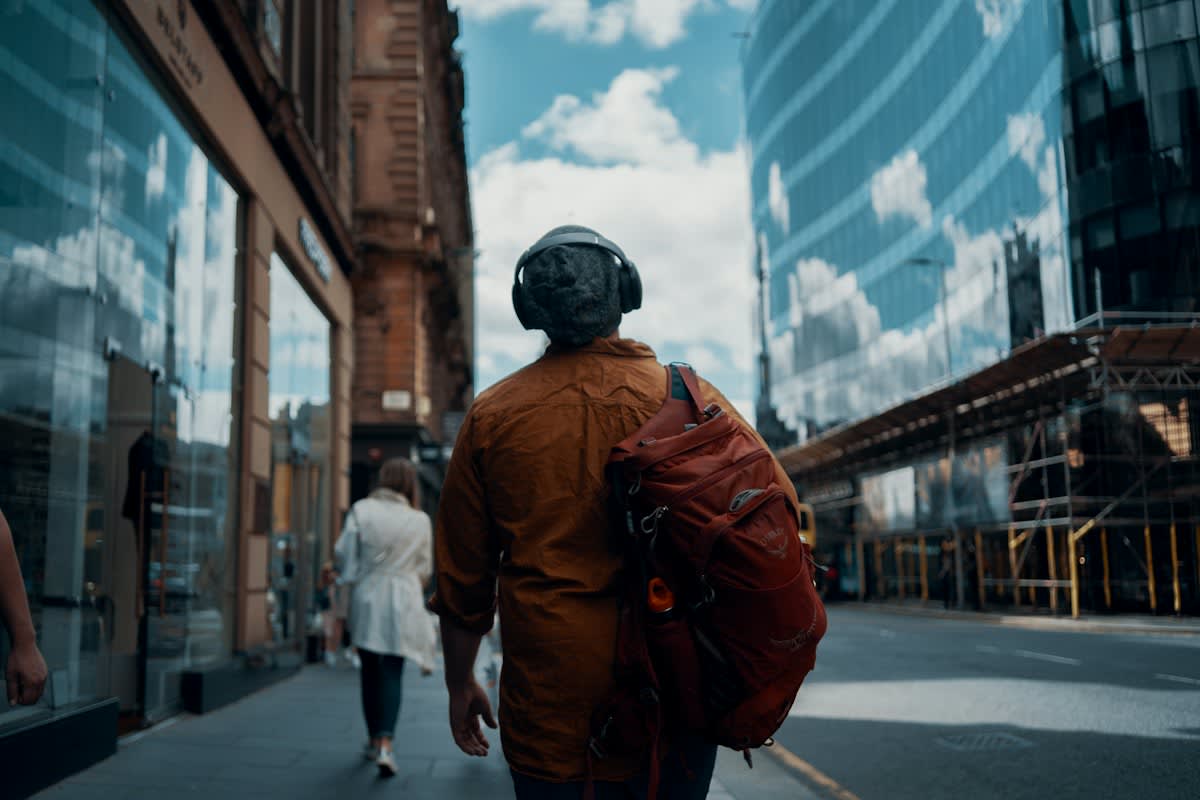
Practitioners in North Hollywood face extreme friction when aligning 3D soundscapes with physical routes. Hardware often fails in outdoor environments, and the gap between the intended architectural metaphor and the actual urban grit creates tension. Debates center on whether sound alone can sustain an immersive world without visual cues. Ground-level reality involves constant recalibration of audio triggers to ensure the narrative flow remains unbroken for the experiencer.
The October Delta: 2025 vs 2026
October 2026 marks a distinct change compared to the same period 12 months ago. In 2025, public art was largely defined by visual presence and physical permanence. Current data from the Urban Death Tour of Terror Ultra 2026 shows a move toward immersive audio storytelling using 3D soundscapes (Source: NoPro, 2026). This transition indicates a move away from sight-dominated experiences toward auditory-led world-building.
Focus of Immersive Art (2025 vs 2026)
Executive Insight
+18.4%
YTD Growth
This movement is supported by a change in how these experiences are critiqued and funded. NoPro operates on a 100% reader-supported model (Source: NoPro, 2026). This ensures that the reviews of these immersive events are independent of the corporate sponsors who often fund the hardware. The delta here is the rise of community-funded criticism for high-tech art, mirroring the public funding of the LA County Civic Art Collection.
Failure Points
Reliance on reader-supported funding for reviews creates a fragility in the ecosystem. If publications like NoPro lose their 100% reader-supported status (Source: NoPro, 2026), the visibility of these events drops. Without independent validation, immersive art risks becoming a marketing gimmick rather than a cultural contribution. The lack of a permanent home for experiences like DaisyDoze also poses a risk; if an event does not return, the architectural metaphor is lost.
Another failure point lies in the 1% funding model. While effective for creating 600+ artworks (Source: LA County Library, 2026), this model focuses on the creation and installation phase. Long-term conservation of diverse artworks in public spaces requires ongoing funding that may not be covered by the initial project cost. If conservation efforts fail, the civic art collection becomes a series of decaying monuments rather than living reflections of community values.
Editorial Note
The transition from static civic art to immersive audio experiences represents a move toward temporary, event-based culture. While the LA County Civic Art Collection provides permanence, the Urban Death Tour provides intensity. The tension between these two models defines the current state of public art in 2026.
Fact-Check & Accuracy Note
All statistics regarding LA County art funding and collection size are based on data from the LA County Library (2026). Data regarding immersive audio and the Urban Death Tour is attributed to NoPro (2026).