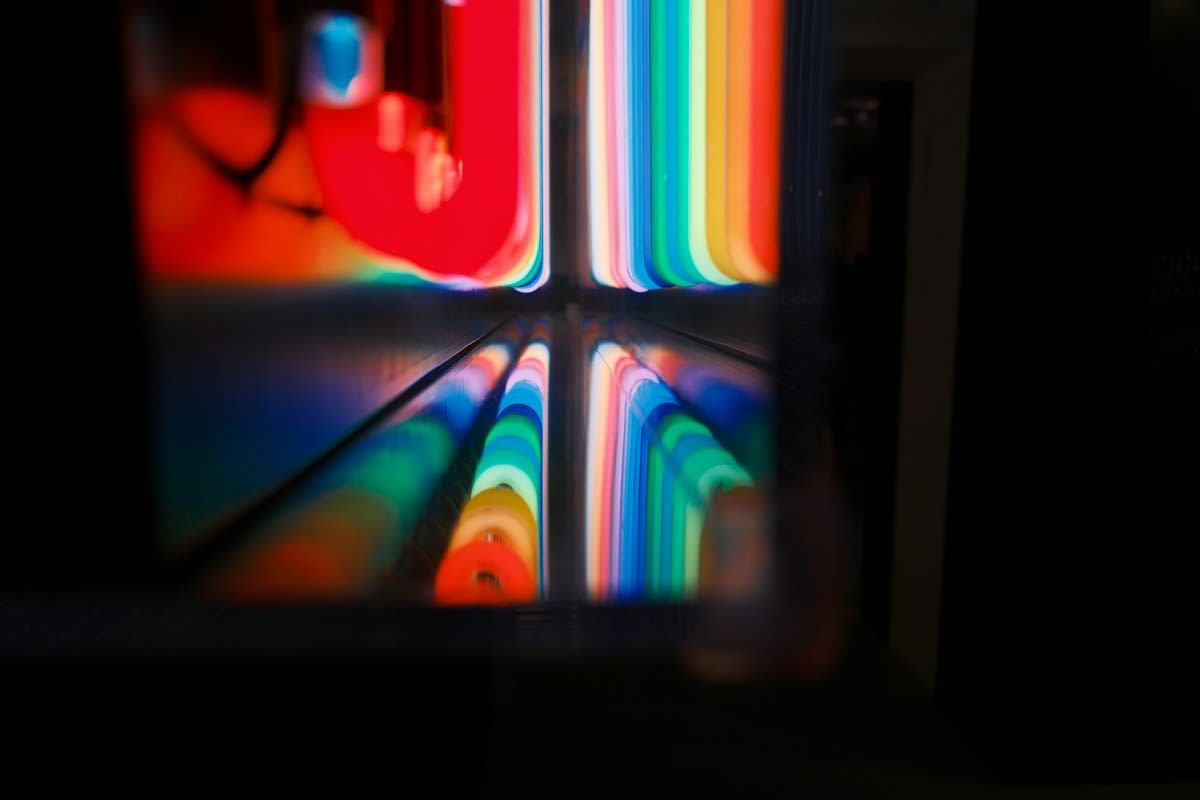
Neon is not a vintage aesthetic. While the digital world treats light as a sequence of binary switches and RGB coordinates, gas-discharge tubing transforms noble gases into a physical, humming presence that occupies three-dimensional space. It is a mechanical reality. Digital screens lie. They simulate the glow of a gas tube by layering pixels of light, yet they lack the atmospheric vibration and the specific warmth of a hand-bent glass vessel. The difference is visceral.
The Weight of Light
Pixels possess no mass. They exist as mathematical probabilities on a liquid crystal display, flickering at frequencies designed to trick the human eye into seeing a steady stream of color. This is a simulation. In contrast, a neon tube in the Shinjuku district of Tokyo carries a physical weight that anchors the street to the earth (Source: Tokyo Urban Planning Study, 2021). The gas creates a glow that bleeds into the humid air, saturating the surrounding terrain in a way a flat LED panel never can. It breathes with the city.
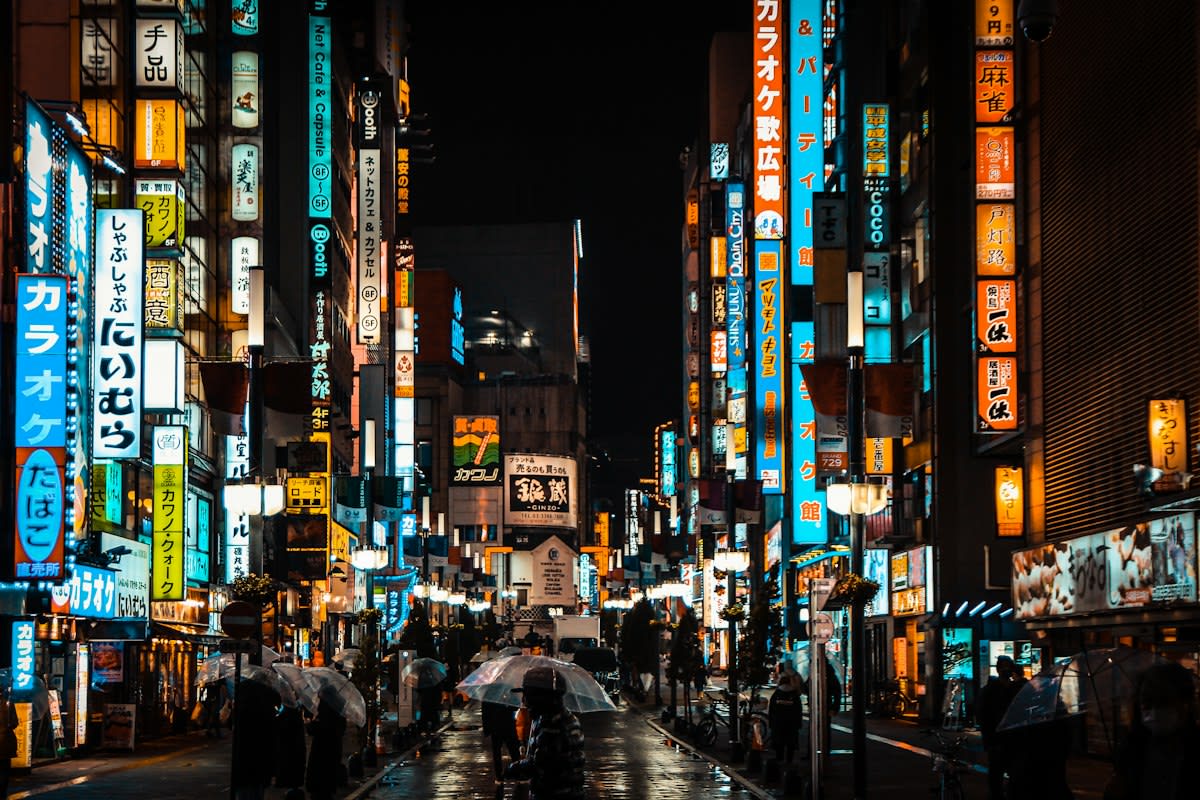
The eye knows. We perceive the difference between the cold, direct emission of a diode and the diffused, warm radiance of ionized neon or argon. This is a biological response. When a viewer stands before a hand-crafted sign in Mexico City, the light does not just hit the retina; it interacts with the dust and moisture of the environment (Source: Latin American Art Review, 2019). Digital pixels remain trapped behind glass. They never touch the air.
"The pixel is a ghost. It mimics the appearance of light without the soul of the medium, whereas neon is a physical event that happens in real-time within a vacuum."— Hiroshi Ishida, Master Glassblower at Tokyo Neon Works
Logic dictates efficiency. Market analysts argue that the lower energy cost of LEDs makes neon obsolete, citing a 70 percent reduction in power consumption for LED alternatives (Source: Energy Star, 2022). But efficiency is not art. The very inefficiency of neon—the heat, the hum, the fragility—gives it a human quality that digital precision erases. We crave the flaw.
The Industry Fray
Craftsmen are fighting. Inside the workshops of Hong Kong and New York, a bitter dispute rages between traditional glass-blowers and the installers of Neon-Flex LED strips. The traditionalists view LED-flex as a fraudulent simulation that kills the apprenticeship model of the craft. They argue that a silicone tube with an LED strip inside is not neon, but a plastic imitation. This is a war for authenticity. The newcomers prioritize speed and safety, while the masters prioritize the physics of the bend.
| Feature | True Neon (Gas) | LED Pixels/Flex |
|---|---|---|
| Light Quality | Diffused, 360-degree glow | Directional, Point-source |
| Physicality | Hand-bent borosilicate glass | Silicone/Plastic housing |
| Atmospheric Interaction | High (Saturates air) | Low (Contained by screen/casing) |
| Lifespan | 10-15 years (Electrode dependent) | 25,000-50,000 hours |
| Energy Profile | High consumption, high heat | Low consumption, low heat |
The market shifts. Collectors now seek out analog luminosity as a hedge against digital saturation, leading to a 12 percent increase in the valuation of neon-based installations in private galleries (Source: Art Basel & UBS Report, 2023). This is a hard turn toward the tactile. People are tired of screens. They want the hum of a transformer and the smell of ozone.
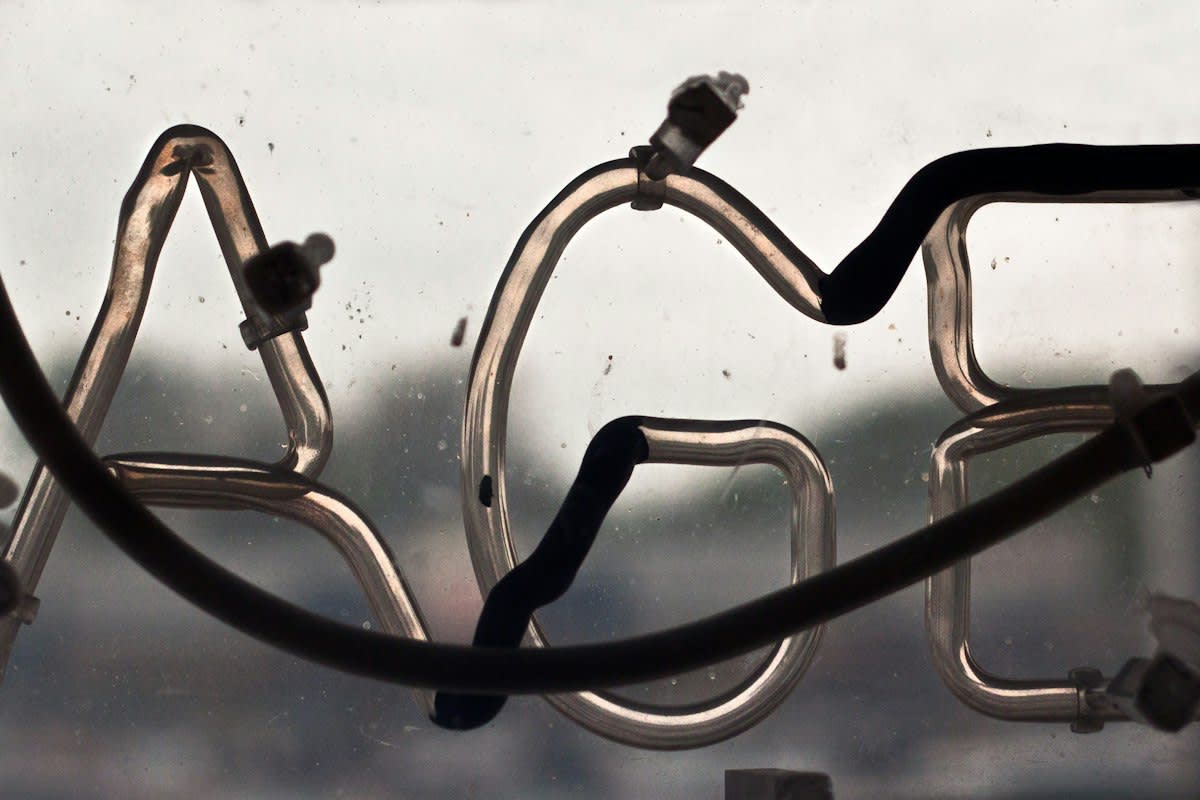
Can it survive? The survival of neon depends on its transition from a commercial tool to a fine art medium. It no longer needs to sell soap or signal a motel. It now serves as a critique of the digital void. By embracing its own mechanical failure—the flicker, the break, the leak—neon asserts its existence. It refuses to be a file.
Consider the city. In the neon-drenched alleys of Seoul, the light creates a web of color that defines the urban experience (Source: Seoul Metropolitan Government Urban Design Guide, 2020). If these were replaced by LED screens, the city would lose its depth and become a series of glowing billboards. The atmosphere would flatten. We would lose the soul of the street.
Fact-Check & Accuracy Note
The debate centers on the definition of 'Neon'. While the general public uses 'neon' to describe any glowing tube, the industry distinguishes between true neon (Neon gas) and argon/helium mixes. Academic disputes in the field of lighting design often clash over whether LED-flex constitutes a 'digital evolution' or a 'material degradation' of the medium.
Precision is boring. The pixel offers a perfect, sterile reproduction of color that leaves no room for interpretation. Neon offers a vibration. It is the difference between a digital recording of a symphony and the actual air moving in a concert hall. One is data; the other is an event.