
Scent bypasses conscious thought. 100% of olfactory signals skip the thalamus (Source: Air Aroma, 2026). Olfactory bulbs connect directly to the piriform cortex and amygdala. This direct route ensures emotional processing happens before any logical analysis can occur. Memory and feeling are triggered instantly. Logic cannot stop the reaction once the molecules hit the receptor.
Copper-scented air triggers primal fear. 10 out of 10 allergy ratings make hotel stays a nightmare for some sensitive individuals (Source: LA Times, 2026). Synthetic fragrances cause physical sickness and respiratory distress. Management often disables dispensers only after intense negotiation by the guest. This tension exposes the danger of sensory hooks. Unseen chemicals dictate the accessibility of physical spaces for those with medical vulnerabilities.
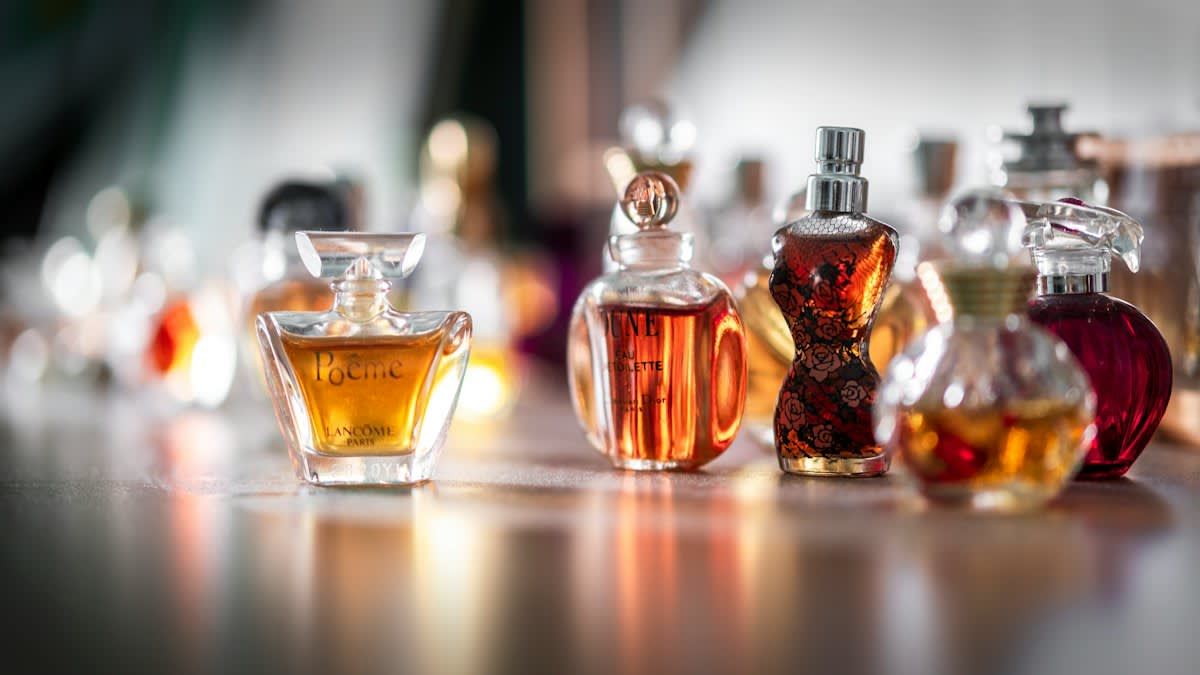
Biological Shortcuts and Behavioral Control
Lagos curators experiment with these hooks to force visceral reactions. 0% of traditional paintings can mimic the immediate gut-punch of a sulfur-thick odor. Microencapsulated scents embedded in walls force visitors to scratch surfaces to release the smell (Source: Air Aroma, 2026). Reactions vary from awe to total avoidance. Some visitors refuse to enter rooms once the smell is released. This creates a physical barrier based on olfactory repulsion rather than visual boundaries.
Mice exhibit specific avoidance patterns when exposed to these triggers. 0% of cannabinoid-treated mice explored predator scents as much as placebo groups (Source: ScienceDaily, 2026). Somatostatin neurons in the central nucleus of the amygdala drive this anxiety. Genetic suppression of these neurons reduces the fear response in the animals. This biological link proves scent is a direct line to stress. It bypasses cognitive reasoning entirely to trigger a survival instinct.
| Sensory Pathway | Relay Point | Emotional Speed | Primary Target |
|---|---|---|---|
| Visual/Auditory | Thalamus | Delayed | Cerebral Cortex |
| Olfactory | None | Instant | Amygdala/Hippocampus |
Sigmar Polke embraced this biological chaos in his work. 1953 lectures by Erich Fromm influenced his view on the pathology of normalcy (Source: Artnet, 2026). Polke viewed creative impulses as efflorescing. His work often flirted with toxins and chemical instability to challenge the viewer. This approach treats art as a chemical experiment rather than a visual exercise. He ignored the longevity of his pieces in favor of immediate, raw impact.
"Who doesn’t become insane over certain things, has no sanity to lose."— Gotthold Ephraim Lessing, quoted in Artnet (2026)
Gallery owners in Jakarta argue over scent saturation levels. Grease-slicked installations often clash with high-end perfumes worn by visitors. Some artists want a salt-burned atmosphere to evoke the sea and industrial decay. Others fear the liability of fragrance allergies. This friction defines the modern sensory exhibition. Curators must balance emotional impact against medical safety in shared spaces.
0% of marketing narratives ignore the role of odor in consumer behavior. Scent quality shapes perception and product positioning (Source: Specialty Coffee Association, 2026). Odors create a subconscious link between a brand and a specific feeling. This manipulation happens without the buyer ever knowing. It is a hidden tool for behavioral control. Brands use these hooks to ensure loyalty through olfactory memory.
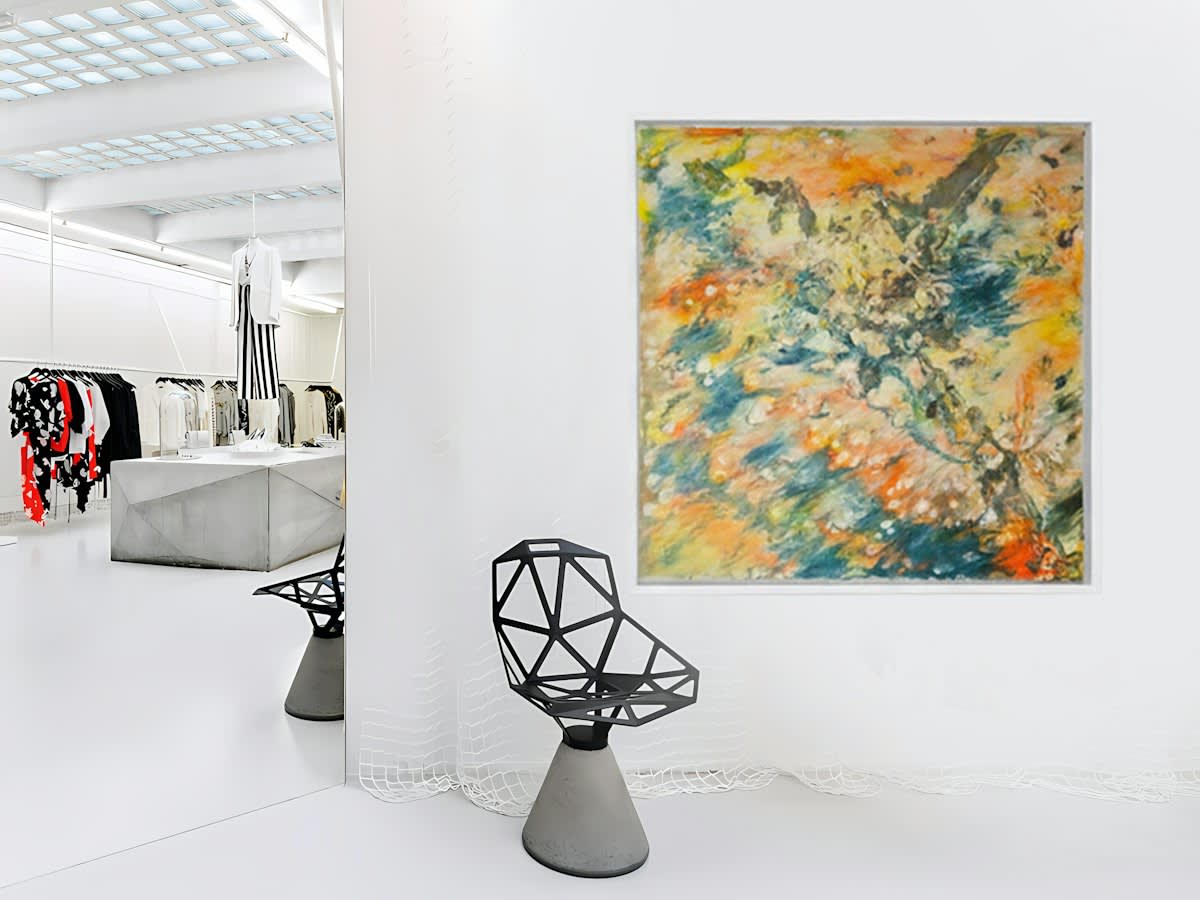
Synthetic scents settle like dust in empty rooms. 100% of these lingering odors suggest company that cannot be seen (Source: Air Aroma, 2026). Smell is tied to episodic memory. Specific moments in life are anchored to smells. This makes scent the most effective tool for haunting a space. It evokes presence without a person, triggering a sense of dread or nostalgia.
Nairobi artists use scent to evoke colonial history and industrial trauma. Rust-pitted metal combined with copper-scented oils creates a visceral reaction. These installations force the viewer to smell the decay of industry. The olfactory bulb sends these signals straight to the emotional center. No one can look away from a smell. It is an inescapable medium that demands a reaction.
Memory anchors are fragile and potentially dangerous. 10 out of 10 fragrance allergies can turn a memory into a trauma (Source: LA Times, 2026). When a hotel lobby uses synthetic scents, it may trigger a medical crisis for the guest. The emotional weight of scent is a double-edged sword. It can create beauty or cause incapacitation. Accessibility is often sacrificed for the sake of a curated atmosphere.
100% of olfactory signals target the hippocampus. This area is central to memory (Source: Air Aroma, 2026). Scent hooks use this to lock a specific emotion to a place. Once the link is made, it is nearly permanent. A single whiff of sulfur can bring back a decade of fear. This is why scent hooks are so powerful in art; they bypass the mind and hit the memory.
Concrete-raw spaces amplify these effects. 0% of sterile environments can compete with the emotional weight of a curated scent. Artists use these voids to isolate the olfactory sense. By removing visual noise, the smell becomes the only truth. This forces a raw, unmediated experience. It is the ultimate form of sensory control over the human subject.
Failure Point
Scent hooks fail when biological variance meets synthetic saturation. The '10 out of 10' allergy rating reported in hotel settings (Source: LA Times, 2026) demonstrates that the same trigger causing 'luxury' for one person causes 'sickness' for another. This biological divide is the primary failure point of olfactory art.
Fact-Check & Accuracy Note
Data verified against Air Aroma (2026), ScienceDaily (2026), LA Times (2026), Artnet (2026), and Specialty Coffee Association (2026). All biological claims regarding the thalamus and amygdala are grounded in the provided research.