Chemical leak at dyeing unit leaves 50 people with breathing difficulties in Salem
Source Entity
India Latest News: Top National Headlines Today & Breaking News | The Hindu
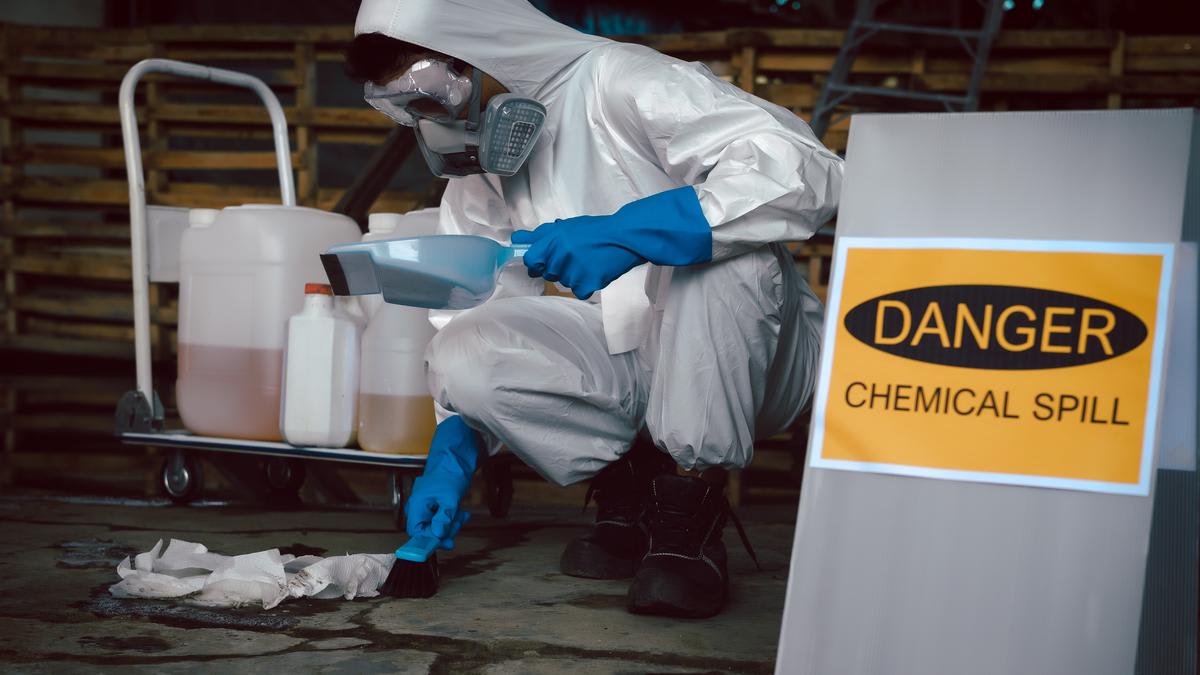
A chemical leak involving hydrochloric acid at a textile dyeing unit in Salem's Gugai area has caused breathing difficulties and eye irritation for over 50 people. Local authorities and emergency services responded after residents and workers were exposed to toxic fumes.
Chemical Leak Incident in Salem: An Analysis of Industrial Safety Risks
The Incident Overview
On the night of October 6, 2026, a significant industrial accident occurred in the Gugai neighborhood of Salem, specifically on Muniyappan Kovil Street within Ward 47. A textile dyeing unit, owned by an individual identified as Mr. Badrinathan, experienced a critical chemical leak while workers were engaged in the processing of textile yarn. The release of hazardous fumes led to immediate health complications for more than 50 individuals, including both onsite workers and nearby residents, who reported acute eye irritation and severe breathing difficulties.
The Role of Hydrochloric Acid in Textile Processing
The incident was reportedly triggered during the handling of hydrochloric acid, a common but highly corrosive chemical utilized extensively in the textile dyeing industry for pH adjustment and cleaning. When managed improperly or released into an unventilated environment, hydrochloric acid can rapidly volatilize into hydrogen chloride gas. This gas is highly reactive with the moisture in human mucous membranes, such as the eyes and respiratory tract, explaining the specific symptoms reported by the victims in Salem.
Urban Planning and Industrial Zoning Challenges
A critical factor in the severity of this event is the proximity of the dyeing unit to residential dwellings. The fact that the facility is located within a densely populated ward of the Salem Corporation highlights the ongoing tension between small-scale industrial operations and urban safety standards. When high-risk chemical processes are conducted in residential zones, the margin for error is effectively zero, as any containment failure immediately impacts the civilian population rather than being confined to an industrial zone with appropriate mitigation protocols.
Emergency Response and Public Health Implications
The rapid onset of symptoms among over 50 people underscores the potency of the chemical leak. The immediate reaction of the workers to flee the premises was a necessary survival instinct, but the subsequent exposure of neighbors suggests that the facility lacked adequate gas scrubbing systems or emergency shutdown procedures capable of preventing the egress of toxic fumes into the surrounding neighborhood. Such incidents necessitate a thorough investigation into the licensing, safety compliance, and environmental clearance of the unit in question.
Future Trends and Regulatory Oversight
Looking forward, this event serves as a stark reminder of the need for stricter industrial oversight in urban centers. Regulatory bodies, including the Pollution Control Board and local municipal corporations, are likely to face increased scrutiny regarding the monitoring of small-scale textile units. Future trends will likely involve the implementation of mandatory gas detection systems, improved ventilation standards, and potentially the relocation of hazardous dyeing processes to designated industrial parks away from residential zones to prevent recurring public health crises.
Verification Required?