Delhi Tourism to host heritage walks in CR Park during Durga Puja
Source Entity
Latest News: Todays Latest News Headlines from India & World | Hindustan Times | Hindustan Times
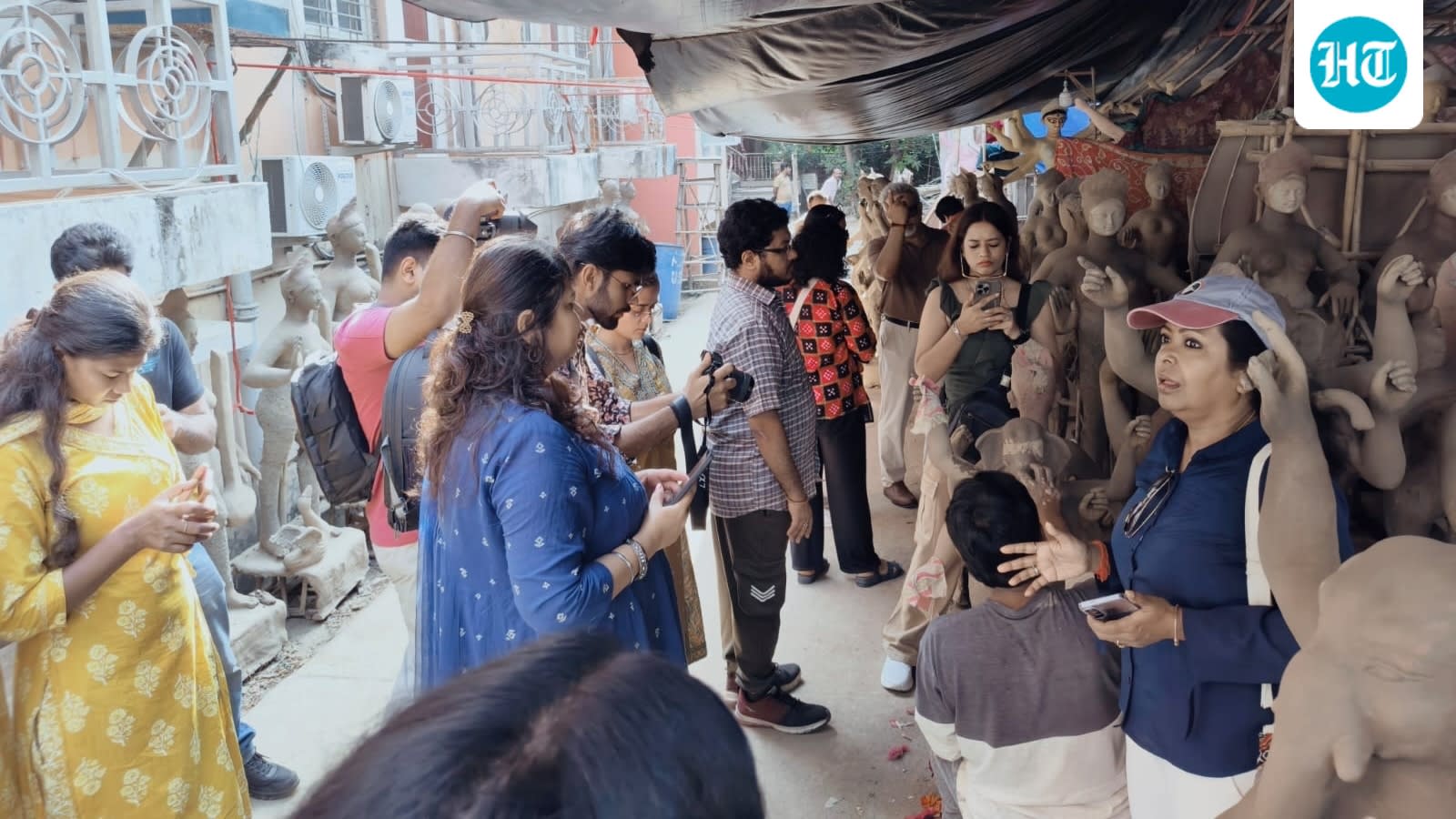
Chittaranjan Park's Durga Puja has evolved from a small community gathering of displaced families into a massive cultural landmark in Delhi. Delhi Tourism is now formalizing this heritage by hosting guided walks to showcase the area's rich Bengali history and traditions.
The Evolution of CR Park: From Refugee Colony to Cultural Icon
Chittaranjan Park, originally established as the East Pakistan Displaced Persons Colony in the mid-1970s, stands as a testament to the resilience and cultural preservation of families uprooted by the Partition. What began as a modest settlement for 15-20 government officials has transformed into the epicenter of Bengali culture in the national capital. The evolution of its Durga Puja celebrations from intimate gatherings of 50-100 people to massive events drawing lakhs of visitors mirrors the broader growth of the neighborhood itself.
Roots of Community and Tradition
At the heart of this transformation is the spirit of 'bhog' and community participation. As recalled by long-time resident Devyani Rudra, the early days were characterized by communal labor—cutting vegetables and organizing cultural programs. These activities were not merely religious rituals but essential social glue for a community seeking to recreate the warmth and familiar traditions of their homeland in a new, unfamiliar environment. The transition of the primary festivities to the Kali Mandir (formerly Shiv Mandir) in 1976 marked a pivotal shift toward institutionalizing these celebrations.
The Institutionalization of Heritage
Five decades later, the scale of CR Park’s Durga Puja has moved beyond local community management into a major public spectacle. This expansion has necessitated a broader recognition of the area's historical significance. The decision by Delhi Tourism to host 'Spiritual & Heritage Walks' from October 11 to 19 signifies a formal acknowledgement of CR Park as a heritage destination. By integrating the history of the Kali Mandir Society and the craft of Kumartuli idol-makers into the public discourse, the state is actively working to preserve the intangible heritage of the Bengali diaspora.
Cultural Preservation and Modern Tourism
These heritage walks serve a dual purpose: they educate the public on the intricacies of Bengali traditions—ranging from eco-friendly 'visarjan' practices to the complexities of traditional cuisine—while simultaneously managing the influx of modern tourism. By highlighting the specific aspects of Bengali music, art, and community life, the initiative ensures that the original intent of the settlers—to keep their culture alive—is amplified rather than lost in the commercialization of the festival.
Future Trends and Community Impact
As the festival continues to grow, the challenge for CR Park lies in balancing the massive influx of 'lakhs of visitors' with the maintenance of its unique community identity. The inclusion of influencers and guided tours suggests a future where the neighborhood functions as a living museum. This trend of 'heritage tourism' is likely to grow, potentially encouraging other cultural enclaves in Delhi to formalize their own traditions, thereby enriching the city's overall multicultural tapestry.
Conclusion
The transformation of CR Park is a poignant case study in how diaspora communities can successfully anchor themselves in a new geography. From its origins as a rehabilitation colony for displaced persons to its current status as a premier tourist destination, the neighborhood has successfully preserved the sanctity of the Durga Puja. As Delhi Tourism steps in to highlight these practices, it ensures that the legacy of those original 15-20 families remains a vibrant, evolving part of Delhi's identity for generations to come.
Verification Required?