'Pak's Frankenstein Monster Of Terrorism Returned To Haunt It': India At UN
Source Entity
NDTV News Search Records Found 1000
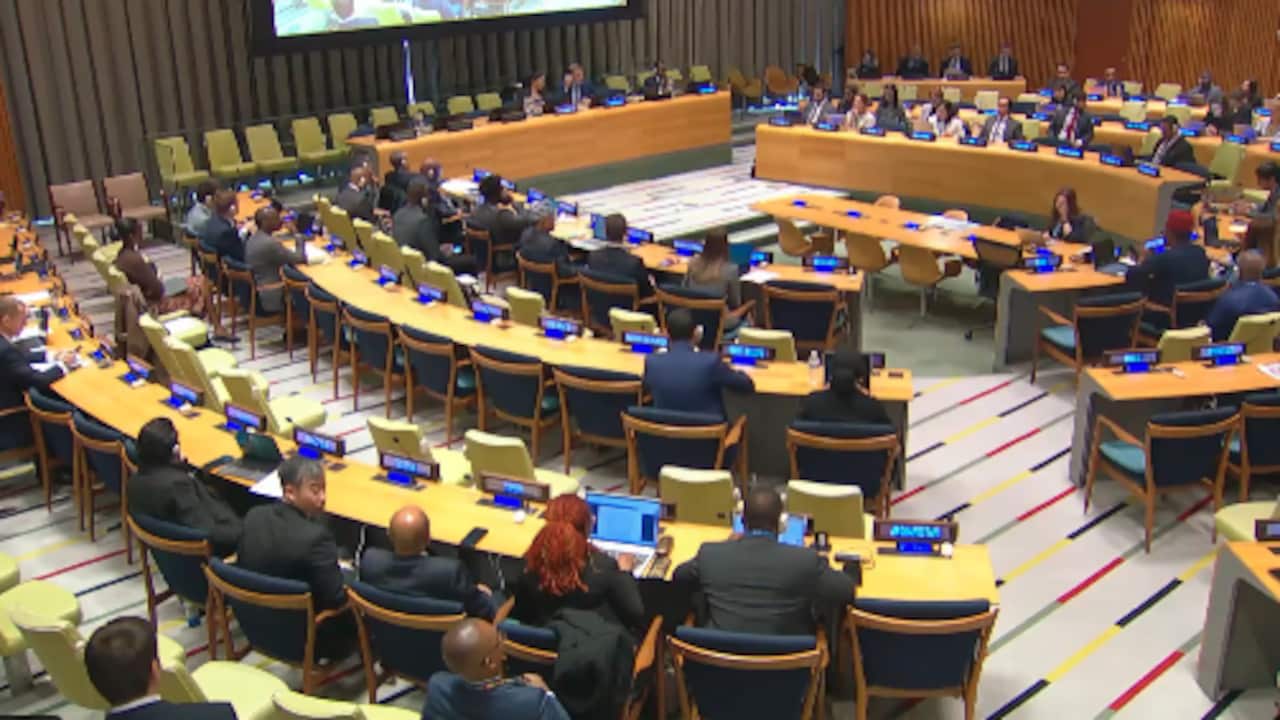
India has strongly criticized Pakistan at the United Nations, characterizing its support for terrorism as a 'Frankenstein monster' that has ultimately turned against its creator. This diplomatic rebuke highlights the ongoing security challenges Pakistan faces from extremist groups it previously fostered.
The Diplomatic Fallout of State-Sponsored Extremism
India’s recent assertion at the United Nations—describing Pakistan’s historical dalliance with militant proxies as a 'Frankenstein monster'—serves as a sharp critique of regional security dynamics. By utilizing this metaphor, India underscores the inherent danger of state actors fostering non-state militant groups to achieve geopolitical goals, only to find those same groups destabilizing the host nation’s own internal security apparatus.
The Historical Context of Proxy Warfare
The narrative of the 'Frankenstein monster' refers to the long-standing allegation that Pakistan has utilized various extremist factions as strategic assets in its regional foreign policy. Historically, this strategy was intended to exert influence across borders. However, the current reality reflects a blowback phenomenon, where these groups have evolved into autonomous threats that challenge the writ of the Pakistani state, leading to a cycle of violence that persists despite various military operations.
Security Implications for South Asia
This diplomatic exchange at the UN is not merely rhetorical; it reflects the deep-seated mistrust that continues to define India-Pakistan relations. The security implications are vast, as the persistence of these militant networks necessitates constant vigilance from regional powers. The international community remains wary of the potential for these groups to facilitate cross-border instability, which remains a primary concern for Indian policymakers.
Analytical Perspectives on Global Counter-Terrorism
From a global standpoint, the Indian delegation’s remarks serve to remind the UN of the dangers of selective counter-terrorism policies. The 'Frankenstein' analogy is a warning to the international community that any state providing sanctuary or support to militant organizations will inevitably face domestic volatility. This case study is often cited in security literature as a cautionary tale for modern statecraft.
Future Trends in Regional Stability
Looking forward, the trend suggests that India will continue to utilize multilateral forums like the UN to maintain international pressure on Pakistan regarding its counter-terrorism commitments. Unless there is a fundamental shift in how these groups are dismantled and integrated into civil society, the region is likely to remain in a state of 'managed instability,' where diplomatic rhetoric serves as a primary tool for containment.
Conclusion
The situation remains a complex intersection of historical grievances and modern security dilemmas. India’s stance at the UN highlights that until the foundational support structures for these militant groups are permanently severed, the risk of internal and regional blowback will remain a defining feature of Pakistan’s geopolitical reality.
Verification Required?