Choked Gomti, lost floodplains: Lucknow waterlogging a ‘self-inflicted’ crisis, say environmentalists
Source Entity
Latest News: Todays Latest News Headlines from India & World | Hindustan Times | Hindustan Times
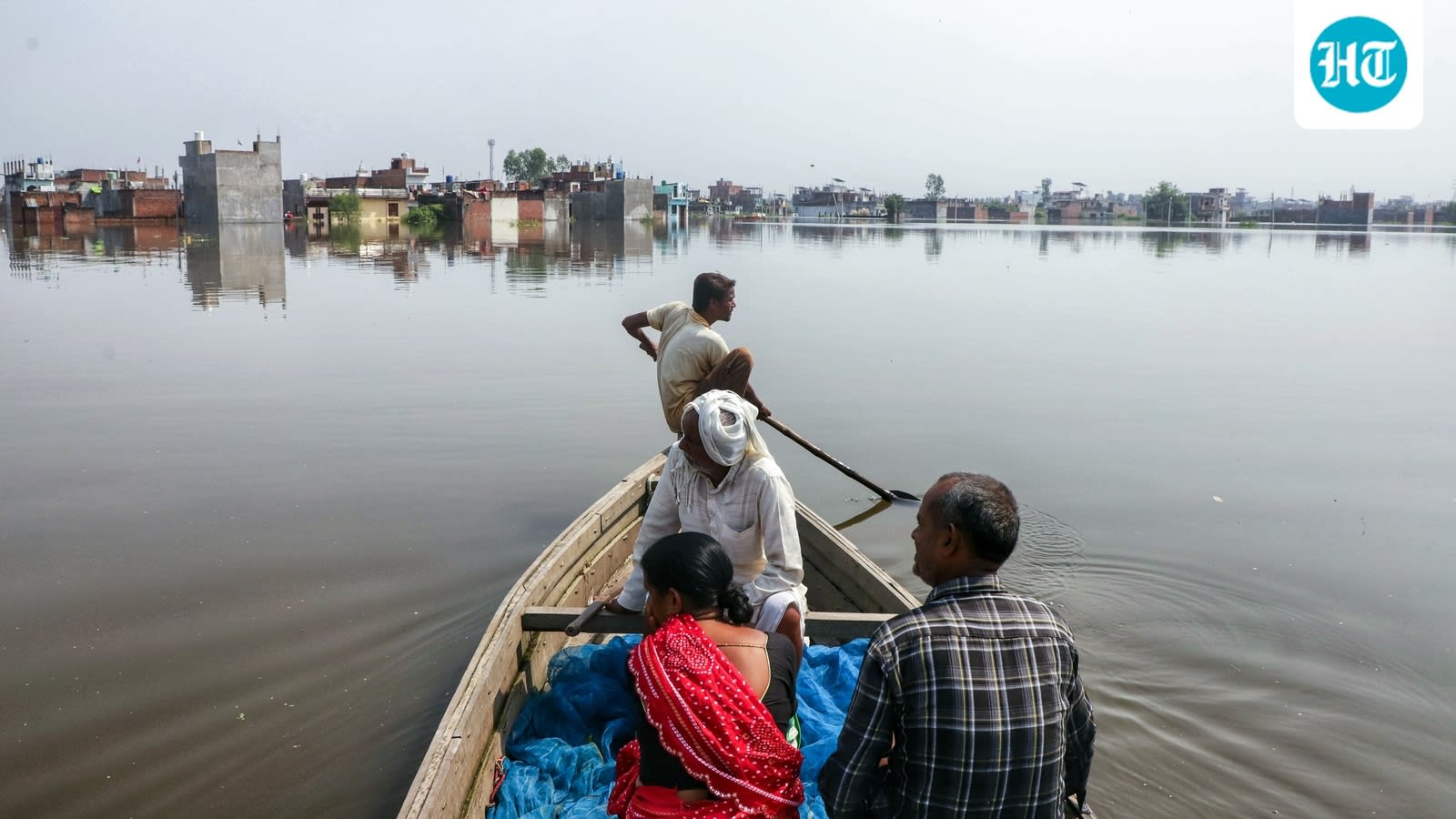
Environmentalists warn that Lucknow's severe waterlogging is a self-inflicted crisis driven by rapid urban expansion and the degradation of the Gomti River's floodplains. Experts urge for immediate policy reforms to restore natural drainage and prevent future flooding disasters.
The Crisis of Urban Planning in Lucknow
Recent heavy rainfall has paralyzed Lucknow, transforming streets into waterways and necessitating the deployment of rescue teams to evacuate stranded residents in areas like Faizullaganj. While extreme weather is often cited as the primary culprit, environmental experts argue that the severity of this flooding is a 'self-inflicted' crisis. The inundation of the Gomti River is not merely a natural phenomenon but a direct consequence of decades of unchecked urban development that has ignored the city's geographical and hydrological realities.
The Degradation of the Gomti Riverbed
The Gomti River, once the lifeblood of Lucknow, has been severely compromised by human activity. Obstructed waterways and a choked riverbed have significantly reduced the river's capacity to carry excess rainwater. As the river’s natural flow is restricted, it increasingly spills over into urban corridors, turning essential infrastructure into conduits for floodwater. This degradation is compounded by toxic road runoff, which further clogs the remaining drainage systems, rendering them ineffective during peak rainfall events.
The Impact of Reckless Real Estate Expansion
At the heart of this catastrophe lies the reckless expansion of real estate over ancient floodplains and natural drainage paths. Biswajeet Thakur, a scientist at the Birbal Sahni Institute of Paleosciences (BSIP), highlights that rapid, unchecked urban sprawl has fundamentally altered the city’s natural drainage dynamics. By paving over the very land that traditionally absorbed excess water, developers have eliminated the city's natural defense mechanisms, leaving no room for water to percolate into the ground.
Policy Failures and Future Risks
Policymakers are now under fire for prioritizing rapid urbanization over sustainable environmental management. The current crisis serves as a stark warning that without a radical shift in urban planning, Lucknow will remain highly vulnerable to climate-induced rainfall. The reliance on concrete embankments, as hinted at by recent policy discussions involving Chief Minister Yogi Adityanath, may offer a temporary fix but fails to address the underlying issue of lost floodplains and disrupted ecosystems.
Moving Toward a Sustainable Future
To mitigate future disasters, Lucknow must pivot toward 'sponge city' concepts that emphasize the restoration of wetlands and the protection of floodplains. This requires strict enforcement of building codes, the clearance of illegal encroachments along the Gomti, and the implementation of green infrastructure that mimics natural water cycles. The current flooding should be viewed as a definitive wake-up call for authorities to integrate environmental science into the urban development framework before the damage becomes irreversible.
Verification Required?