9 coastal panchayats in Keralam equipped for UNSECO assessment as ‘tsunami-ready’
Source Entity
India Latest News: Top National Headlines Today & Breaking News | The Hindu
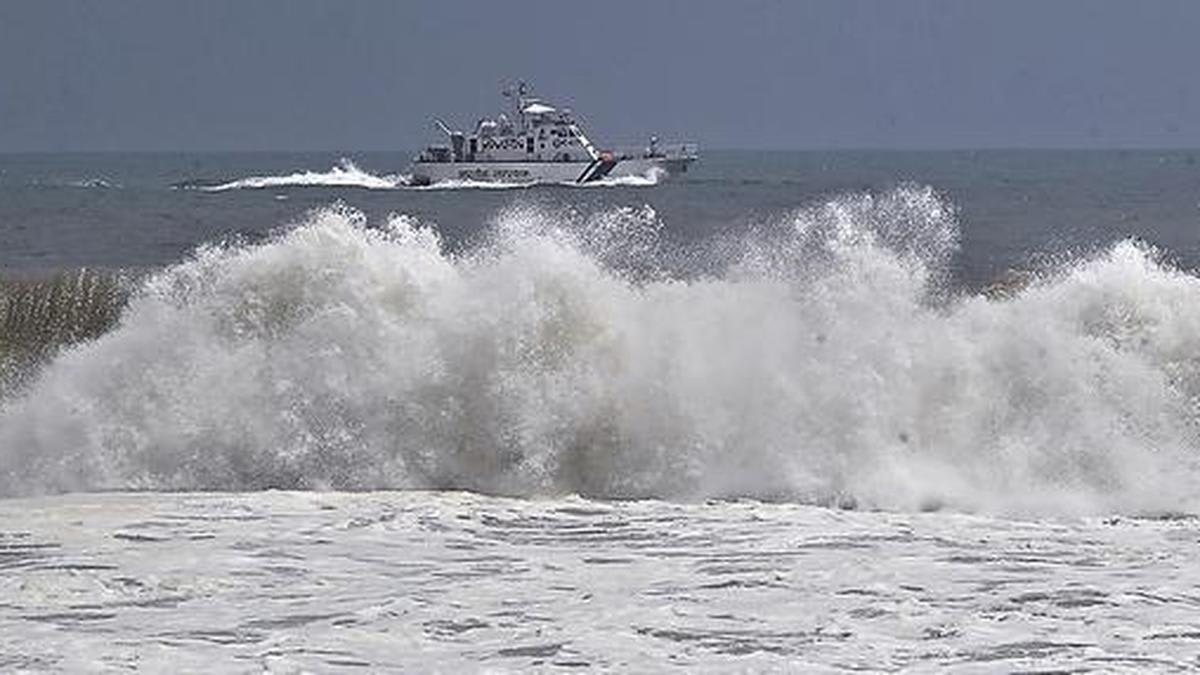
Nine coastal panchayats in Kerala are preparing for UNESCO's 'Tsunami Ready' assessment scheduled for November 2026. This initiative aims to bolster disaster resilience through systematic preparedness indicators across diverse coastal regions.
Strengthening Coastal Resilience: Kerala’s UNESCO Tsunami-Ready Initiative
The government of Kerala has officially notified the National Tsunami Ready Board (NTRB) that nine coastal panchayats are prepared for the prestigious 'Tsunami Ready' recognition by the Intergovernmental Oceanographic Commission of UNESCO (IOC-UNESCO). This development marks a significant milestone in India’s disaster management strategy, reflecting a proactive approach to mitigating the risks posed by seismic events in the Indian Ocean region.
Understanding the 'Tsunami Ready' Framework
Recognition as 'Tsunami Ready' is not merely an honorary title; it is a rigorous process based on specific, measurable indicators. These indicators involve a series of well-planned activities designed to build comprehensive resilience against tsunamis. By complying with these international standards, the selected panchayats are effectively institutionalizing disaster preparedness, ensuring that local communities are better equipped to respond to potential maritime threats.
Geographic Scope and Implementation
The project encompasses a diverse array of coastal regions, ensuring a representative sample of Kerala’s vulnerability profile. The identified panchayats span the length of the state, including Karumkulam (Thiruvananthapuram), Alappad (Kollam), Purakkad (Alappuzha), Edavanakkad (Ernakulam), Eriyad (Thrissur), Veliyancode (Malappuram), Chemanchery (Kozhikode), Azhikode (Kannur), and Valiyaparamba (Kasaragod). This geographical spread is critical, as it addresses the unique topography and population density challenges of each district.
The Path to November 2026
The assessment process is currently slated for November 2026. This timeline provides a structured window for the local authorities to refine their emergency protocols, conduct community drills, and ensure that infrastructure aligns with UNESCO’s stringent requirements. This period of preparation is essential for fostering a culture of safety, where local governance bodies and residents work in tandem to minimize the impact of natural disasters.
Strategic Implications and Future Trends
The push for 'Tsunami Ready' status signifies a shift toward decentralized disaster management. By empowering local panchayats to manage their own risk mitigation, the state government is building a more resilient foundation that can withstand the unpredictability of climate-related and geological events. If successful, this model could serve as a blueprint for other coastal states in India, potentially leading to a nationwide expansion of the UNESCO program.
Conclusion
As Kerala prepares for the 2026 assessment, the focus remains on long-term sustainability and the strengthening of disaster response mechanisms. This initiative highlights the importance of international cooperation in local safety efforts, ensuring that coastal communities are not only aware of the risks they face but are also equipped with the necessary tools, knowledge, and infrastructure to survive and recover from potential tsunami events.
Verification Required?