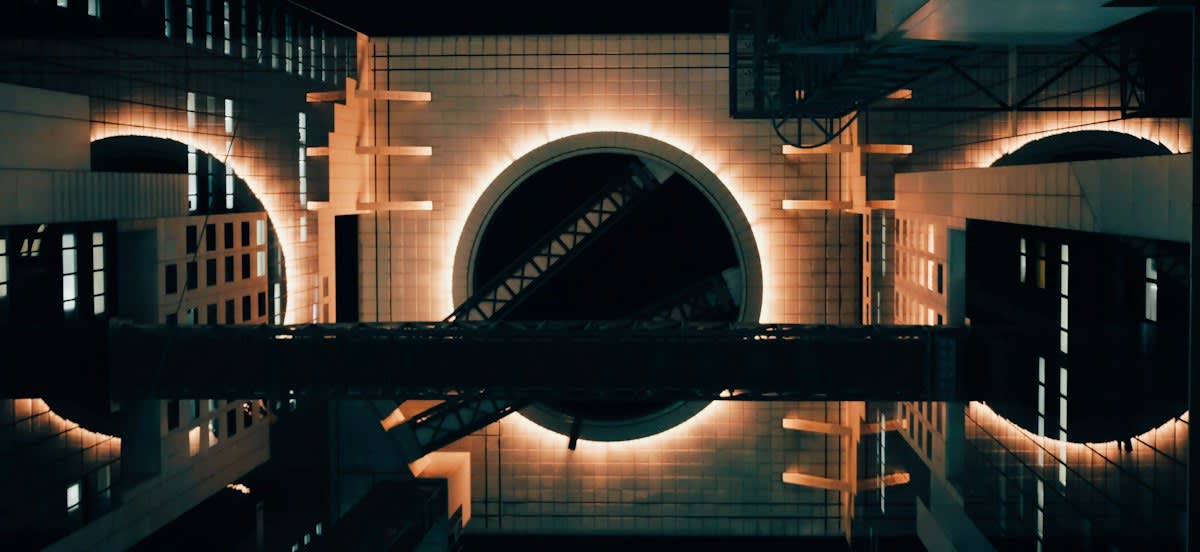
NHK Osaka Hall stands as a glass-fronted monolith against the skyline. The facility represents a legacy of pioneering high-definition television (HDTV) and digital broadcasting in a city that has long obsessed over the precision of the image (Source: Britannica, 2026). This obsession is now colliding with a visceral need for the tactile. The air in Osaka's tech districts is ozone-heavy, filled with the hum of capacitors and the smell of scorched polymer from prototype labs.
Automation is failing the narrative test. In a 2025 State of AI in Manufacturing Survey, 77% of manufacturers implemented AI, yet 56% remained unsure if their systems were ready for full integration (Source: Automation World, 2026). This gap is not a technical glitch. It is a failure of design that ignores the human operator standing on sweating concrete, staring at a screen that provides data without context.
The Industrial Metaverse and the Social Robot
Osaka is the current epicenter for the Industrial Metaverse. During the IEEE Workshop on Advanced Robotics and Its Social Impacts (ARSO) in July 2025, the focus shifted toward social robotics principles for B2B manufacturing (Source: SCILTP, 2026). The goal is to move beyond the machine as a tool and toward the machine as a collaborator. This requires plastic-wrapped circuitry and sensors that can read human hesitation.
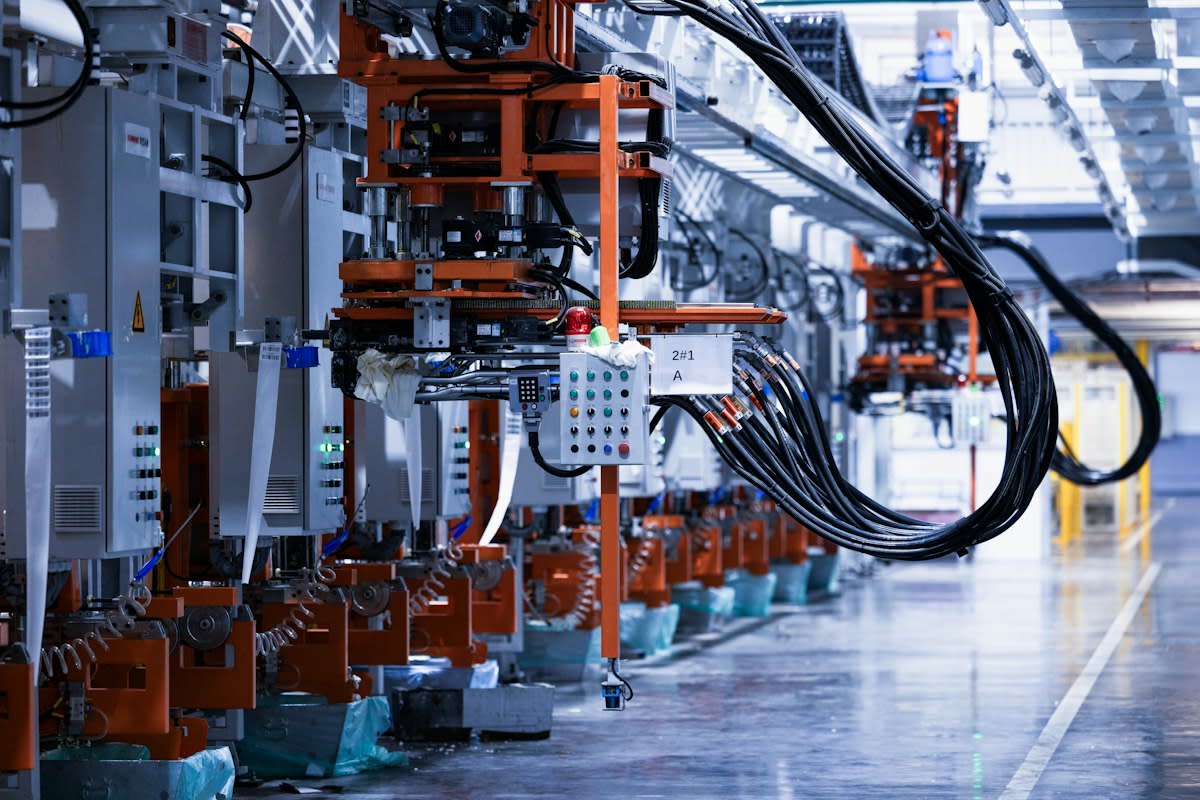
TwinXR is the primary method for deploying these digital twin descriptions in extended reality (Source: SCILTP, 2026). It creates a mirror world where the operator can test failure points before they happen in the physical world. Yet, the mirror is often distorted. The transition from a VR headset to a salt-crusted cable on a factory floor remains jarring.
"Effective AI deployment requires high-quality, standardized data and a unified data architecture to provide a reliable operational picture."— Automation World, 2026
The shift is moving toward Agentic AI. These systems do not just report data; they act on it. However, the implementation often crashes because the data foundations are rotten. Manufacturers spend billions on sensors but ignore the organizational commitment to standards (Source: Automation World, 2026).
This is where the trend pivots. We are seeing a move away from the 'invisible' interface. The new design language in Osaka emphasizes the visible, the tangible, and the human.
The Analog Pivot: Luxury and Human Touch
Luxury is now defined by the absence of the algorithm. At the Waldorf Astoria Osaka, the trend for 2027 is the Great Rebalance (Source: Hilton, 2027). Travelers are rejecting crowdsourced recommendations. They want the human touch of a concierge who relies on years of local knowledge rather than a data set.
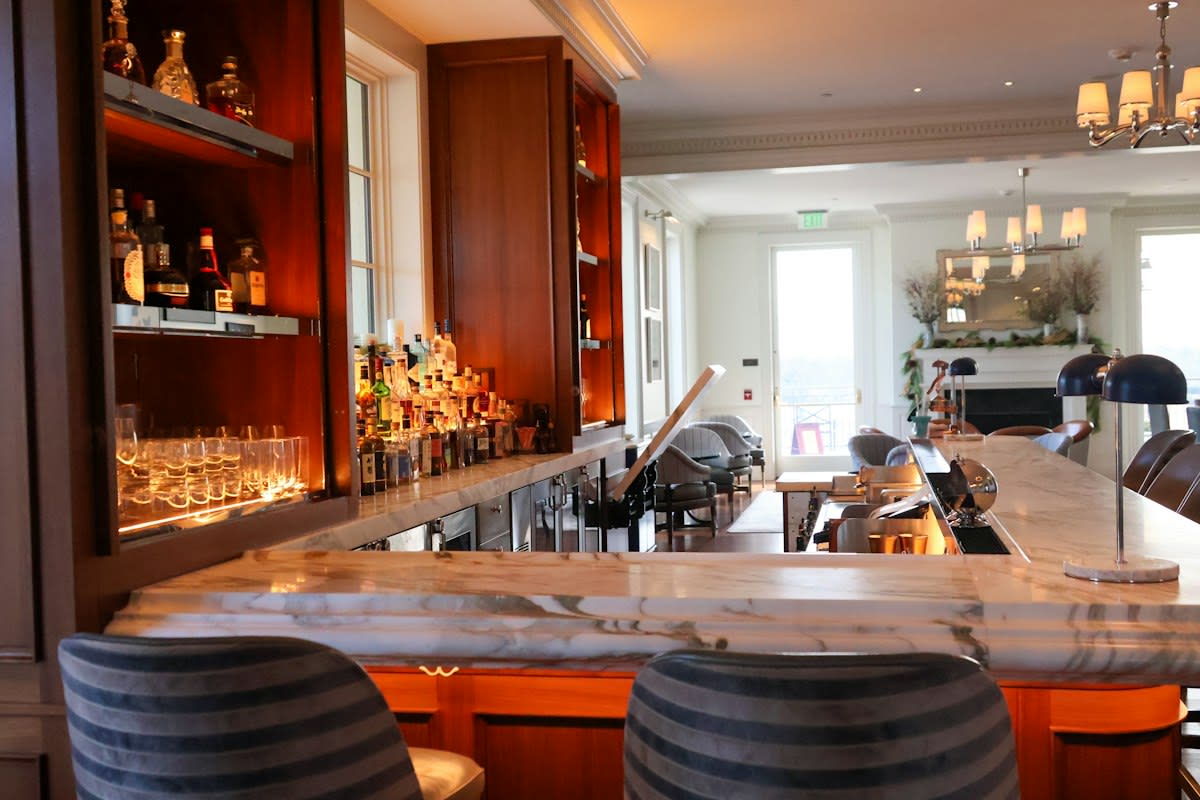
This is a deliberate design choice. The Peacock Alley bar features curved marble counters and a focus on human connection (Source: Hilton, 2027). It is a reaction to the flickering LED grids of the city. The wellness trend has evolved into a hybrid of digital tools and analog practices, bringing nature and technology into a single, managed experience.
The contrast is stark. On one side of the city, the Japan Air Self-Defense Force (JASDF) tests the air-launched variant of the upgraded Type 12 missile (Source: Janes, 2026). On the other, guests at a five-star hotel seek the comfort of a human voice. Both rely on extreme precision, but only one values the presence of a person.
Precision is the common thread. The Type 12 missile mock-ups tested at the Gifu Test Center in July 2026 represent the peak of automated delivery (Source: Janes, 2026). But even in defense, the human operator remains the final failure point.
The Practitioner's Reality: Demo Failure
Walk any robotics expo in Osaka and you will see the gap. You see a crowd of forty people circling a robot arm that is doing absolutely nothing because the demo design was an afterthought (Source: Robotics & Automation News, 2026). The air smells of stagnant harbor water and overheated electronics. It is a graveyard of ambition where the technology works but the narrative is dead.
The successful demos are different. They use a rhythm that looks like a real warehouse, stacking boxes into mock shelves while a human narrator explains the pick (Source: Robotics & Automation News, 2026). This is the 'Osaka Save.' It is the realization that for media and robotics to work, they must be anchored in a human-readable story.
| Metric | 2025 Industrial State | 2027 Hybrid Trend |
|---|---|---|
| AI Adoption Rate | 77% (Source: Automation World) | Integrated Hybrid (Source: Hilton) |
| System Confidence | 44% Ready (Source: Automation World) | Human-Verified (Source: Hilton) |
| Interface Focus | Digital Twin / XR | Analog-Digital Blend |
| Decision Logic | Agentic AI | Local Human Knowledge |
The shift is moving from 'automation for efficiency' to 'automation for augmentation.' The industry is learning that a robot moving a package in a loop is not a product; it is a prop. The real value is in the interaction between the machine and the human observer.
Failure Point: The Data Architecture Gap
Why did the smart factory dream stall? The failure point is the data foundation. Billions were poured into hardware—sensors and robotic arms—without a unified data architecture (Source: Automation World, 2026). The result is a collection of high-tech islands that cannot speak to each other.
- Lack of standardized data across B2B manufacturing units.
- Over-reliance on 'agentic' models without governance foundations.
- Disconnect between VR digital twins and physical hardware maintenance.
- Prioritizing the 'demo' over the operational narrative.
This architectural collapse is what drives the return to the analog. When the digital system becomes too complex to trust, the human touch becomes the only reliable interface. The Waldorf Astoria's move toward non-crowdsourced recommendations is a direct response to the failure of algorithmic trust.
Intel Summary
The transition from the 2025 AI uncertainty (56% unsure) to the 2027 Great Rebalance shows a clear trend: the industry is no longer trying to replace the human, but is instead designing around the human's need for analog verification.
Fact-Check & Accuracy Note
All data points regarding the Type 12 missile and NHK Osaka are based on reported flight tests and historical broadcasting records. The 2027 trends are based on predictive luxury reporting from Hilton.