Karnataka releases three drought-resistant crop varieties to support farmers
Source Entity
India Latest News: Top National Headlines Today & Breaking News | The Hindu
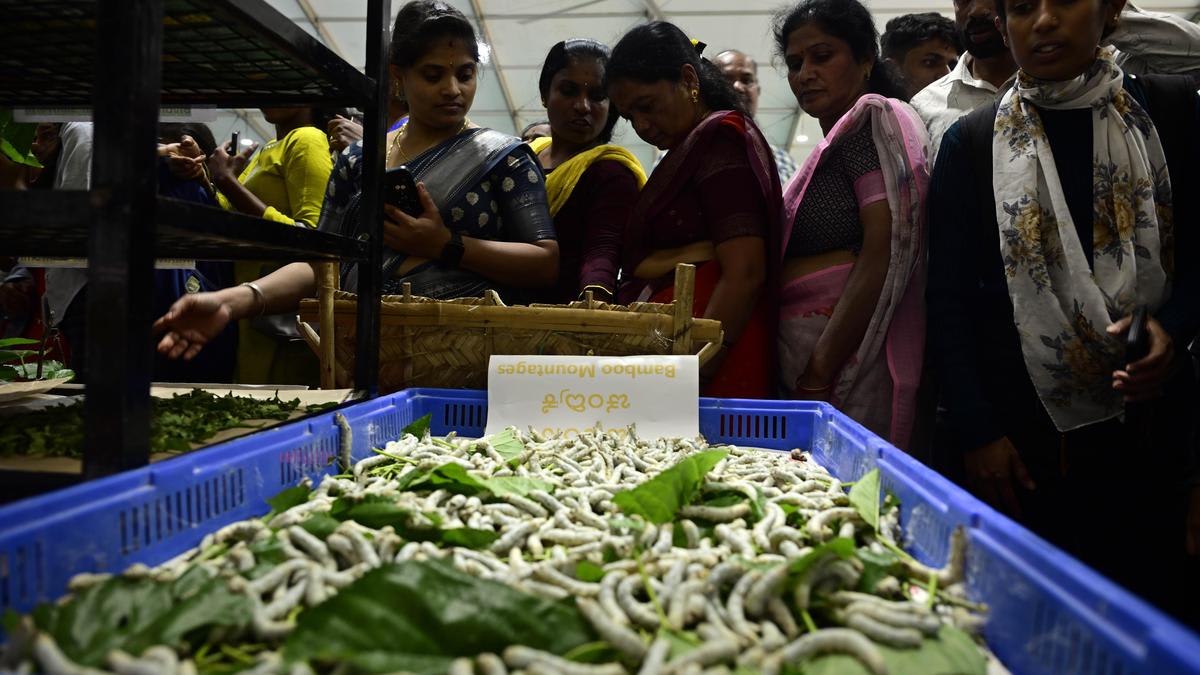
Karnataka has introduced three new drought-resistant crop varieties to combat state-wide water scarcity. Developed by UAS-B scientists, these crops aim to ensure stable yields for farmers despite challenging environmental conditions.
Addressing Agricultural Crisis in Karnataka
In a significant move to bolster food security and farmer resilience, the Karnataka government has officially released three new drought-resistant crop varieties. Amidst persistent drought conditions that have plagued the state, Agriculture Minister P.M. Narendraswamy and Union Minister of State Shobha Karandlaje unveiled these agricultural innovations at the Krishi Mela, hosted by the University of Agricultural Sciences (UAS-B) in Bengaluru. This initiative marks a strategic pivot toward climate-resilient farming, providing a necessary buffer against the unpredictable weather patterns that often threaten the livelihoods of regional farmers.
Scientific Innovation at the Core
The development of the Maize variety MH-20-45, Ragi GPU-101, and Grain Amaranth KBGA-18 is the culmination of rigorous research conducted by scientists at the GKVK campus. These varieties were specifically engineered to thrive in moisture-stressed environments, requiring significantly lower water intake compared to traditional high-yield strains. By focusing on drought tolerance, the UAS-B team has provided a localized solution to the broader issue of water scarcity, ensuring that the state's agricultural output remains viable even when traditional irrigation resources are depleted.
Economic Implications for Local Farmers
The introduction of these crops carries profound economic implications. By reducing the water dependency of staple crops like Maize and Ragi, farmers can lower their overhead costs associated with irrigation and pumping. Furthermore, the short-duration nature of these varieties allows for faster crop cycles, enabling farmers to optimize their land usage and potentially achieve multiple harvests within a single season. This efficiency is critical for maintaining market stability and ensuring that small-scale farmers remain profitable despite the increasing frequency of drought cycles in Karnataka.
Strengthening Food Resilience
Beyond immediate economic gains, the release of these varieties represents a proactive adaptation to climate change. As agricultural zones in Karnataka face increasing temperature fluctuations and erratic rainfall, the shift toward resilient cultivars is not merely beneficial but essential. The collaborative effort between state and union ministries underscores the importance of institutional support in bridging the gap between laboratory research and field application. This synergy is vital for scaling up the adoption of these seeds across the state's diverse agricultural districts.
Future Trends and Sustainability
Looking ahead, the success of these varieties will likely serve as a blueprint for future agricultural policies in India. If the yield performance of the MH-20-45 and GPU-101 proves robust under real-world conditions, it is expected that the UAS-B will expand its research pipeline to include other essential commodities. This trajectory suggests a future where high-tech, low-water agriculture becomes the standard rather than the exception, ultimately safeguarding the state’s agricultural sector against environmental volatility. By prioritizing innovation at the Krishi Mela, the government is signaling a long-term commitment to sustainable farming practices.
Verification Required?