A story in sketches: A jail dog. A prisoner’s death and a High Court ruling
Source Entity
Somya Tyagi
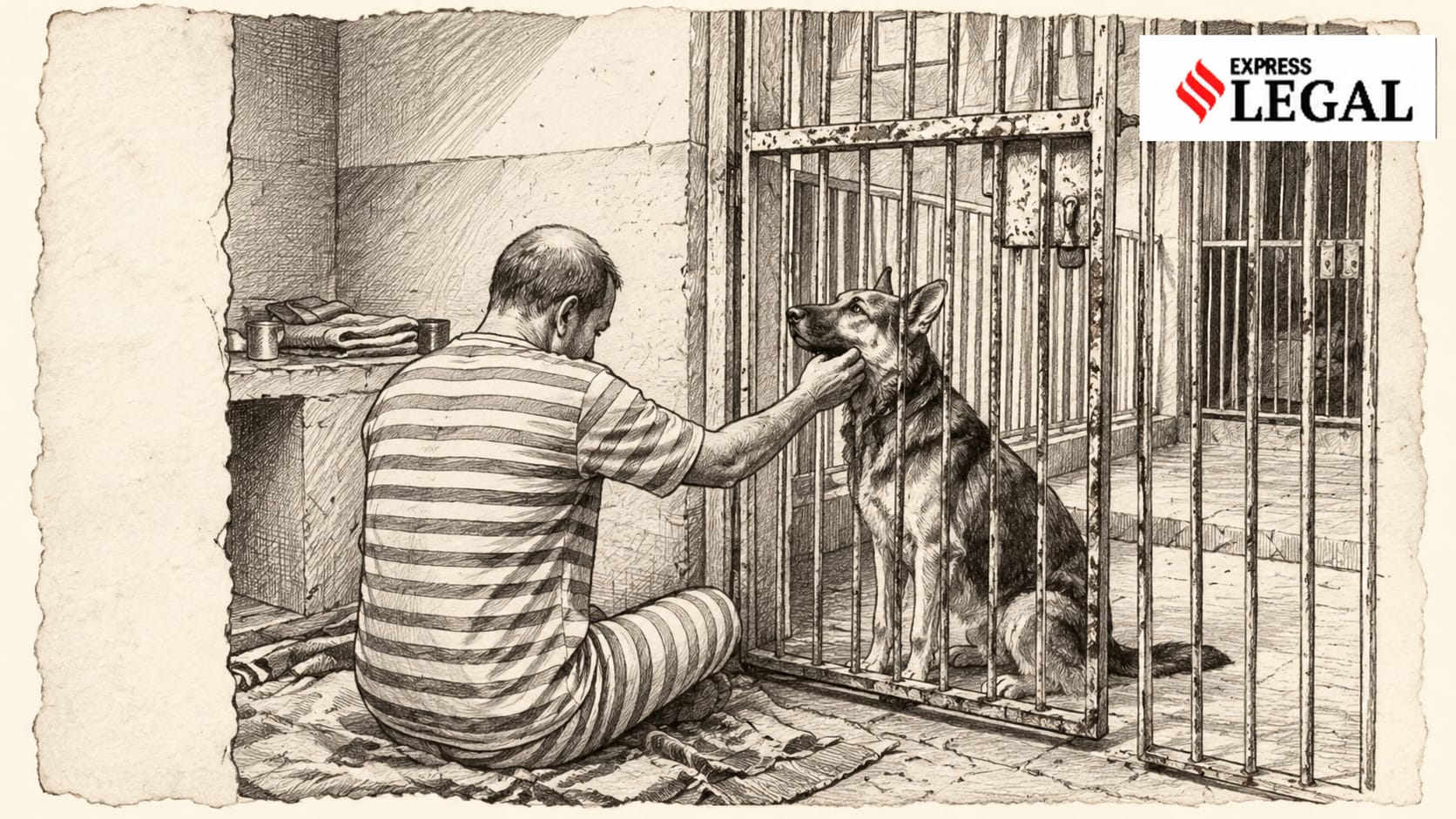
The Tripura High Court is investigating the suicide of prisoner Dilip Debbarma at Kendriya Sansodhanagar Jail. Reports reveal he was uniquely tasked with cleaning a German Shepherd's waste, raising serious human rights concerns.
The Tragic Case of Dilip Debbarma: A Breach of Human Dignity
On October 23, 2024, the death of Dilip Debbarma, a prisoner serving a 12-year sentence at the Kendriya Sansodhanagar Jail in Tripura, marked a grim turning point in the discourse surrounding prison reform in the state. While an initial magisterial inquiry recorded the death as a suicide and cleared jail staff of any immediate wrongdoing, subsequent investigations by the Tripura Human Rights Commission have unearthed deeply unsettling conditions that suggest systemic failure and the degradation of a prisoner's fundamental rights.
The Systematic Humiliation of an Inmate
The most distressing revelation from the investigation is the specific nature of the labor assigned to Debbarma. It was discovered that the jail authorities maintained a German Shepherd dog on the premises, and Debbarma was uniquely tasked with the daily duty of cleaning the animal’s waste. The fact that no other prisoner was subjected to this specific chore points toward a targeted, dehumanizing practice that likely exacerbated the psychological distress of the deceased, calling into question the standards of care and ethical treatment mandated within correctional facilities.
Legal and Human Rights Implications
The involvement of the Tripura Human Rights Commission highlights a significant friction between the state's custodial duties and the reality of prisoner welfare. By demanding inquest reports, postmortem findings, and a comprehensive inquiry, the commission is forcing a re-evaluation of how 'work' is assigned within the Bishalgarh jail system. This case serves as a critical reminder that while individuals are incarcerated for their crimes, the state remains legally and morally obligated to protect their dignity and mental well-being.
Institutional Accountability and Oversight
There is a profound disconnect between the magistrate’s initial finding of 'no blame' on jail staff and the subsequent discovery of the prisoner’s specialized, humiliating labor. This discrepancy suggests a potential failure in institutional oversight and a lack of transparency in how internal prison policies are enforced. The High Court's intervention is essential to bridge this gap, ensuring that the investigation is not merely a bureaucratic formality but a genuine quest for accountability regarding the conditions that led to this tragedy.
Broader Context of Prison Reform
This incident in Tripura is not an isolated event but rather a symptom of broader, systemic issues within the Indian prison system, where power dynamics often lead to the exploitation of inmates. When prison authorities use their position to assign menial or degrading tasks to specific individuals, they undermine the rehabilitative purpose of incarceration. The outcome of the ongoing High Court proceedings will set a critical precedent for how human rights bodies and the judiciary interact to curb such abuses, potentially leading to stricter guidelines regarding the maintenance of animals and the treatment of prisoners in correctional facilities across the country.