Jeff Bezos on dealing with stress: I listen to my body as a signal
Source Entity
TOI TECH DESK
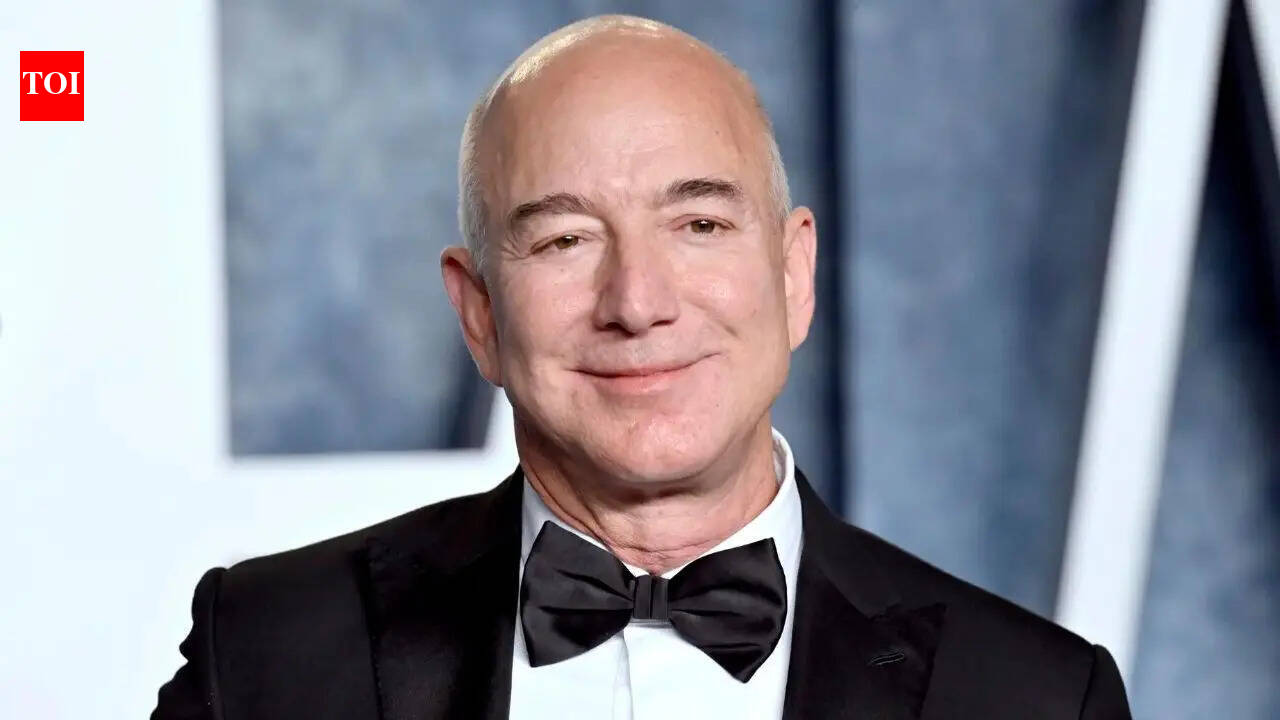
Jeff Bezos advocates for managing workplace stress by taking proactive action and leveraging collaborative team efforts. His approach highlights how individual leadership styles shape organizational culture and well-being.
The Bezos Blueprint: Reframing Stress as a Catalyst for Action
In the high-pressure environment of global business leadership, Jeff Bezos has identified a pragmatic approach to managing stress: utilizing the body’s physiological signals as a diagnostic tool. By viewing stress not as an insurmountable obstacle but as a clear indicator that something requires adjustment, Bezos shifts the narrative from paralyzing anxiety to actionable problem-solving. This perspective suggests that the moment a leader commits to a specific course of action, the associated stress begins to dissipate, effectively turning the nervous system's warning signs into a roadmap for resolution.
The Power of Collaborative Problem-Solving
Beyond individual action, Bezos emphasizes the necessity of social and professional support systems. He posits that stress is significantly mitigated when shared among friends and colleagues. By transforming a singular burden into a collective team effort, the process of addressing difficult challenges becomes more dynamic and creative. This philosophy mirrors the 'two-pizza team' culture often associated with Amazon, where smaller, highly collaborative units are empowered to tackle complex issues, thereby reducing the psychological weight on any single individual.
Contrasting Leadership Styles in Modern Business
While Bezos focuses on the intersection of action and collaboration, the broader corporate landscape reflects a diverse spectrum of stress management strategies. Many contemporary CEOs have shifted their focus toward institutionalizing employee well-being and promoting work-life harmony as core business metrics. This evolution marks a significant departure from traditional, high-stress corporate environments, acknowledging that sustainable productivity is inextricably linked to the mental and physical health of the workforce.
Implications for Organizational Culture
This discourse highlights a critical reality in modern management: leadership is as much about emotional regulation as it is about strategic decision-making. When leaders openly discuss their methods for coping with pressure, they set a tone for the entire organization. By modeling a proactive, team-oriented approach, executives can foster a culture where stress is viewed as a manageable operational challenge rather than a source of burnout or silence.
Future Trends in Executive Wellness
Looking forward, we can expect a continued trend toward the integration of 'soft' leadership skills into executive performance reviews. As the business world becomes increasingly volatile and interconnected, the ability to maintain clarity under pressure will remain a high-value asset. Future corporate strategies will likely prioritize psychological safety and collaborative problem-solving, mirroring the shift from individualistic 'hero' leadership toward systems-based resilience.
Conclusion
Jeff Bezos's insights serve as a reminder that even at the highest levels of global commerce, the fundamental human experience of stress remains a constant. By listening to the body’s signals, taking immediate action, and leaning on the collective intelligence of a team, leaders can navigate extreme pressure more effectively. This approach not only enhances personal performance but also sets a standard for healthier, more collaborative organizational environments.