Eighth Price Hike In 11 Months, Mumbai CNG Price Rises By Rs 1.50
Source Entity
NDTV News Search Records Found 1000
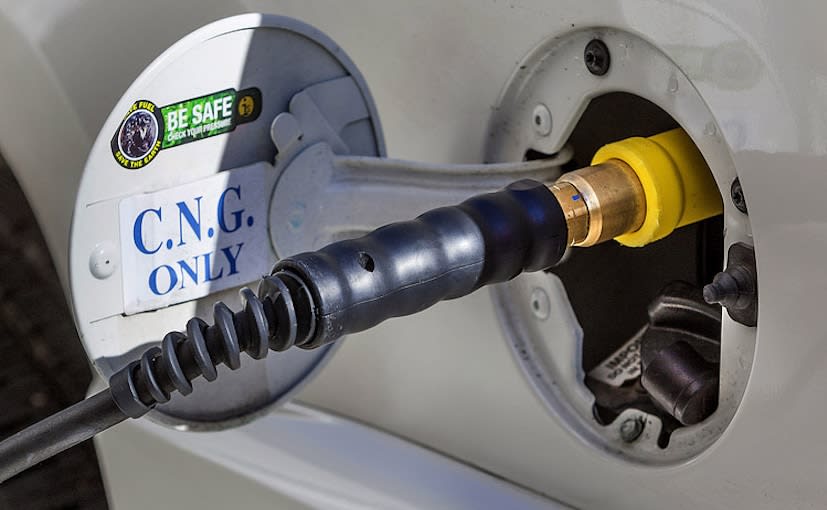
Mahanagar Gas Ltd has increased CNG prices in Mumbai by Rs 1.50 per kg. This marks the eighth price hike for the fuel within an 11-month period, reflecting ongoing volatility in gas supply costs.
Analysis of CNG Price Escalation in Mumbai
The Latest Development
Mahanagar Gas Ltd (MGL) has officially announced a price hike of Rs 1.50 per kg for Compressed Natural Gas (CNG) in Mumbai. This adjustment represents a continuing trend of upward revisions for the city's primary vehicular fuel source. As the authorized distributor for the region, MGL's decision directly impacts the operating costs of public transportation, commercial fleets, and private vehicle owners who have transitioned to cleaner fuel alternatives.
Frequency and Economic Pattern
The significance of this announcement lies in its frequency; this is the eighth time prices have been raised within an 11-month window. Such a rapid succession of hikes suggests a structural shift in the economics of gas distribution. When a commodity experiences nearly monthly price adjustments, it indicates that the underlying procurement costs—likely tied to global natural gas indices or domestic allocation pricing—are highly volatile, forcing retailers to pass the burden to the end consumer to maintain operational viability.
Impact on Urban Mobility
Mumbai’s reliance on CNG is extensive, spanning from the iconic Kaali-Peeli taxis to the widespread adoption of private CNG-kit-fitted automobiles. Frequent price increases create a ripple effect throughout the city’s micro-economy. For taxi and auto-rickshaw operators, these hikes threaten profit margins, often leading to demands for fare revisions, which in turn place inflationary pressure on the average commuter’s daily budget.
Broader Energy Context
The shift toward CNG was initially promoted as a cost-effective and environmentally friendly alternative to petrol and diesel. However, the narrowing price gap between these fuels, driven by these consecutive hikes, challenges the long-term value proposition for consumers who invested in CNG conversion kits. This trend highlights the precarious nature of relying on imported or regulated gas supplies that are subject to frequent market-driven adjustments.
Future Trends and Market Outlook
Looking ahead, stakeholders must consider whether this inflationary trend will stabilize or persist. If procurement costs remain elevated, the adoption rate of alternative fuels like electric vehicles (EVs) may accelerate, as consumers seek to hedge against the volatility of the gas market. The persistence of these hikes suggests that unless there is a significant change in the supply-side cost structure, consumers in Mumbai should prepare for continued price sensitivity regarding their energy consumption.
Conclusion
In summary, the Rs 1.50 per kg increase by MGL is not an isolated incident but part of a sustained inflationary cycle. While the move is necessitated by the current market environment, it poses significant challenges for the affordability of urban transport in Mumbai. Future stability will depend on broader energy policy adjustments and the potential diversification of the local transport fuel mix.
Verification Required?