‘I hope you die’: Inside Jensen Huang’s terrifying closed door meetings
Source Entity
The Indian Express
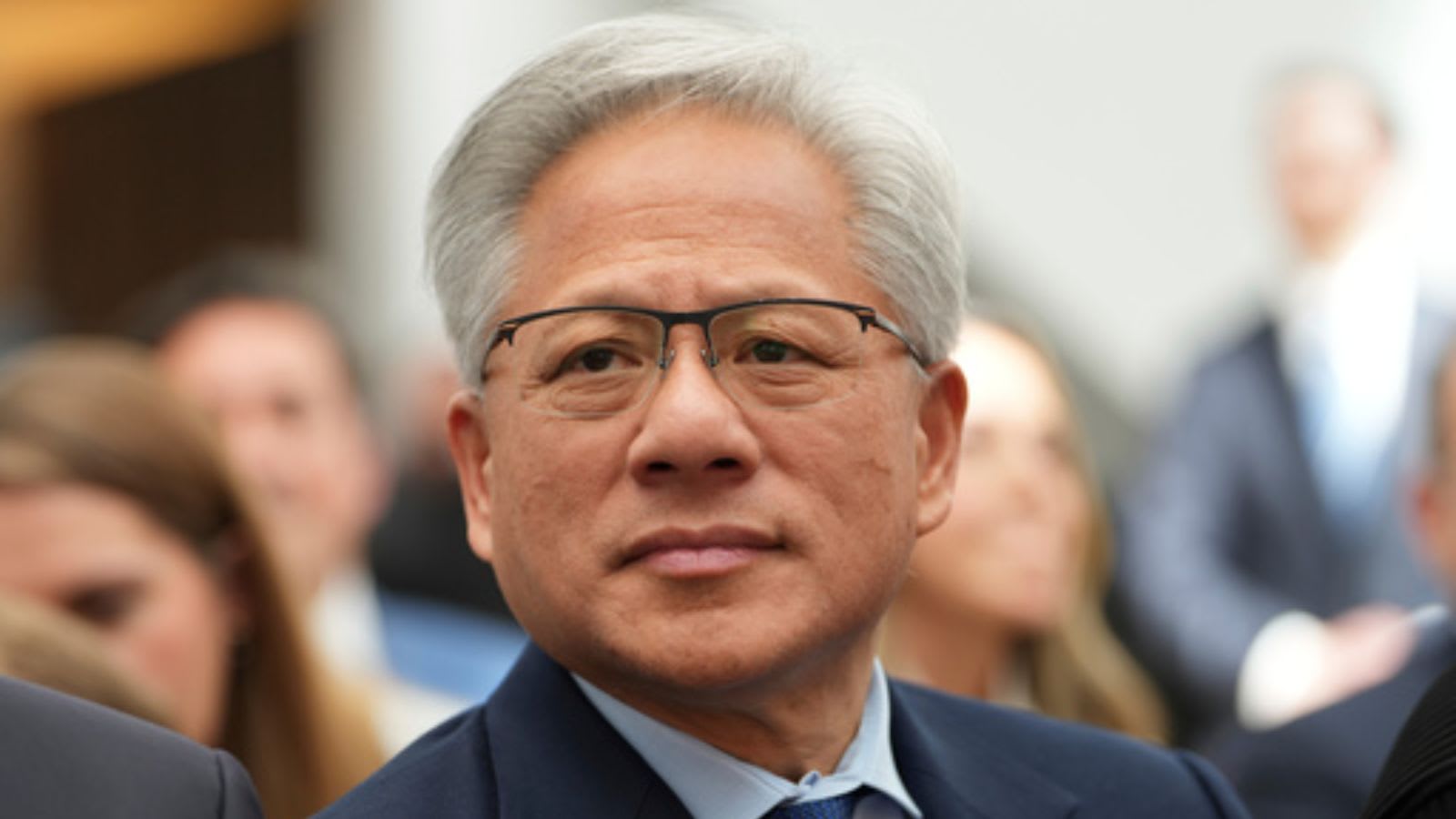
Elon Musk has warned that Nvidia faces a critical loss of key supply chain agreements following the ousting of CEO Jensen Huang. Musk argues these deals were predicated on personal trust rather than formal contracts, leaving the company's future stability in doubt.
The Fragility of Corporate Leadership: The Nvidia Crisis
The recent ousting of Jensen Huang from Nvidia, the company he co-founded in 1993, has sparked a firestorm of concern regarding the firm's operational stability. Elon Musk, among other high-profile figures including President Donald Trump, has voiced significant apprehension about the future of the chipmaker. The core of this anxiety lies in the unique leadership style Huang employed, which transformed Nvidia from a niche graphics card manufacturer into the backbone of the global artificial intelligence infrastructure.
The 'Handshake' Economy
Elon Musk’s recent commentary on X highlights a critical vulnerability: the reliance on interpersonal trust over rigid legal frameworks. Musk suggests that many of Nvidia's most 'critical' supply chain agreements were essentially 'a handshake with Jensen' rather than binding written contracts. In the semiconductor industry, where supply chain logistics are incredibly complex and often bottlenecked by capacity constraints, this personal rapport allowed Huang to navigate crises and secure priority access to manufacturing capabilities that competitors could not obtain.
Historical Context: The Identity of Nvidia
For over three decades, the identity of Nvidia has been inextricably linked to its co-founder. As noted in recent analysis, 'Jensen is Nvidia and Nvidia is Jensen.' This level of executive branding is rare in modern corporate governance, where companies usually strive to institutionalize processes to outlive their founders. By failing to transition these personal relationships into formal, institutionalized agreements, the board of directors may have inadvertently created an 'Achilles' heel' for the company’s future growth.
Geopolitical and Strategic Implications
Nvidia’s supply chain is heavily dependent on relationships with semiconductor manufacturers in Asia. These partnerships were cultivated by Huang over decades, requiring deep cultural and professional alignment. With Huang’s departure and the board ruling out his return, the company faces the monumental task of replacing not just a CEO, but a central node in a global network of trust. If these manufacturers view their commitment as tied specifically to Huang, Nvidia could face significant delays or cancellations in chip production.
Future Trends and Market Stability
Looking forward, Nvidia’s ability to retain its market dominance will depend on whether its new leadership can translate these 'handshake' agreements into formal legal structures before the existing goodwill evaporates. The support Huang has received from employees and external industry leaders suggests a potential internal culture crisis. The firm is now in a race against time to prove that it is a resilient institution rather than a personality-driven entity, or risk losing its competitive edge in the high-stakes AI chip market.
Multiple Citing Sources