Elephant attack: Protesters want Forest Minister visit Belur after two deaths in three days
Source Entity
India Latest News: Top National Headlines Today & Breaking News | The Hindu
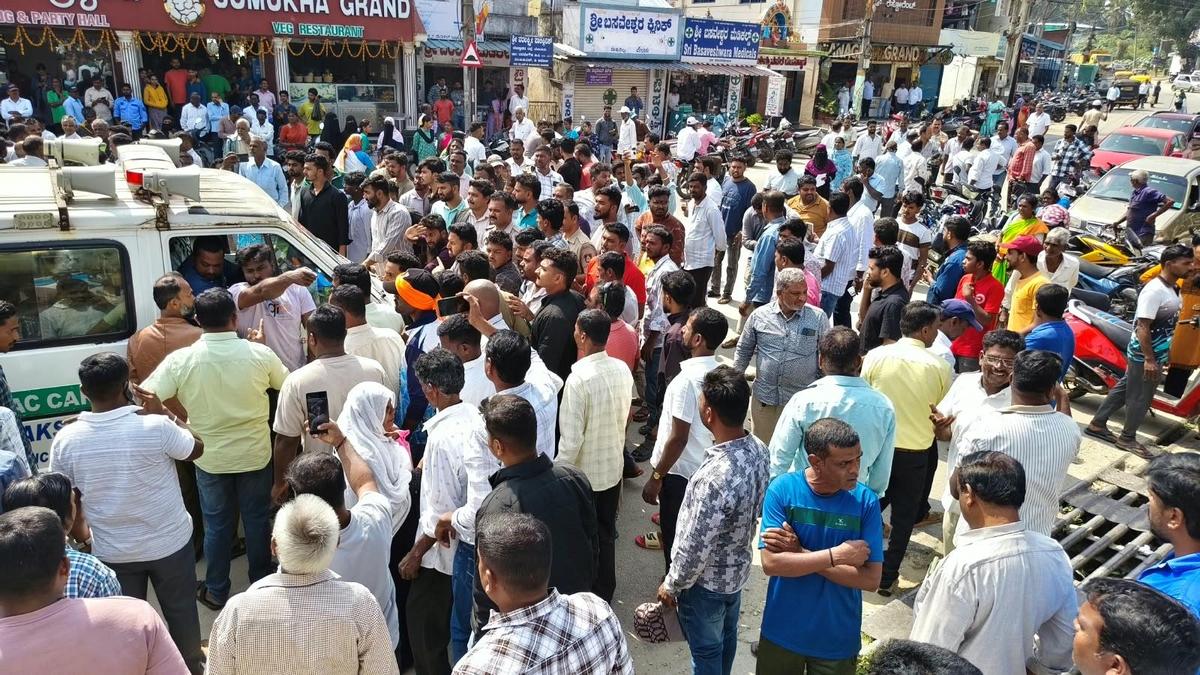
Tensions have escalated in Belur, Karnataka, following two fatal elephant attacks within three days. Local residents are protesting, demanding immediate government intervention and a permanent solution to the region's human-elephant conflict.
Escalating Human-Elephant Conflict in Belur
On November 16, 2026, the town of Belur in Karnataka’s Hassan district became the epicenter of intense public unrest following two tragic fatalities caused by elephant attacks within a span of just three days. The community, grieving the loss of two individuals, staged significant road blockades and refused to permit post-mortem procedures, signaling a breakdown in trust between the local populace and the Forest Department. The rapid succession of these deaths has transformed a localized wildlife issue into a broader political crisis regarding regional safety and administrative accountability.
The Sequence of Tragedies
The crisis began on November 14, when 65-year-old Jayamma was trampled to death while grazing cattle in Chowdanahalli. This initial incident sparked immediate outcry, which only intensified when a second fatality occurred less than 48 hours later. On November 16, Hafees Ur Rahman, a 60-year-old worker, was killed while laboring at a coffee estate in Nagenahalli. These back-to-back attacks have left the residents of Belur in a state of fear and anger, as the recurring nature of these encounters suggests a systemic failure in managing wildlife movement in human-inhabited zones.
Demands for Administrative Action
The protesters have made their position clear: they refuse to accept temporary measures or minor interventions. Instead, they are demanding a personal visit from the state’s Forest Minister, Ramalinga Reddy, to provide ironclad assurances that a permanent solution to the human-elephant conflict will be implemented. While K.M. Shivalinge Gowda, the Minister in charge of the Hassan district, was expected to arrive with senior officials to mediate the situation, the persistence of the protests indicates that the public is seeking high-level political commitment rather than merely local bureaucratic oversight.
The Broader Context of Human-Wildlife Conflict
This incident highlights the growing friction between expanding agricultural activities, such as coffee estates, and the natural habitats of wild elephants in Karnataka. As human encroachment into traditional elephant corridors continues, the frequency of such fatal encounters has become a recurring point of contention. The local residents blame the Forest Department for what they perceive as negligence, arguing that insufficient monitoring and the lack of robust deterrents have left the rural population vulnerable to roaming herds.
Future Implications and Policy Needs
Moving forward, the situation in Belur serves as a critical case study for wildlife management in India. If the government fails to address the protesters' demands for a long-term strategy, the cycle of agitation and tragedy is likely to persist. A sustainable solution will likely require a multi-pronged approach, including better tracking of elephant herds, the establishment of physical or sensory barriers, and perhaps a reassessment of land use in areas frequently traversed by wildlife. Until these structural changes are realized, the relationship between the Forest Department and the residents of Hassan will remain deeply strained.
Multiple Citing Sources
Verification Required?