Parents fled Africa with unregistered newborn; 26 yrs later, she gets Indian passport
Source Entity
AASTHA JHA
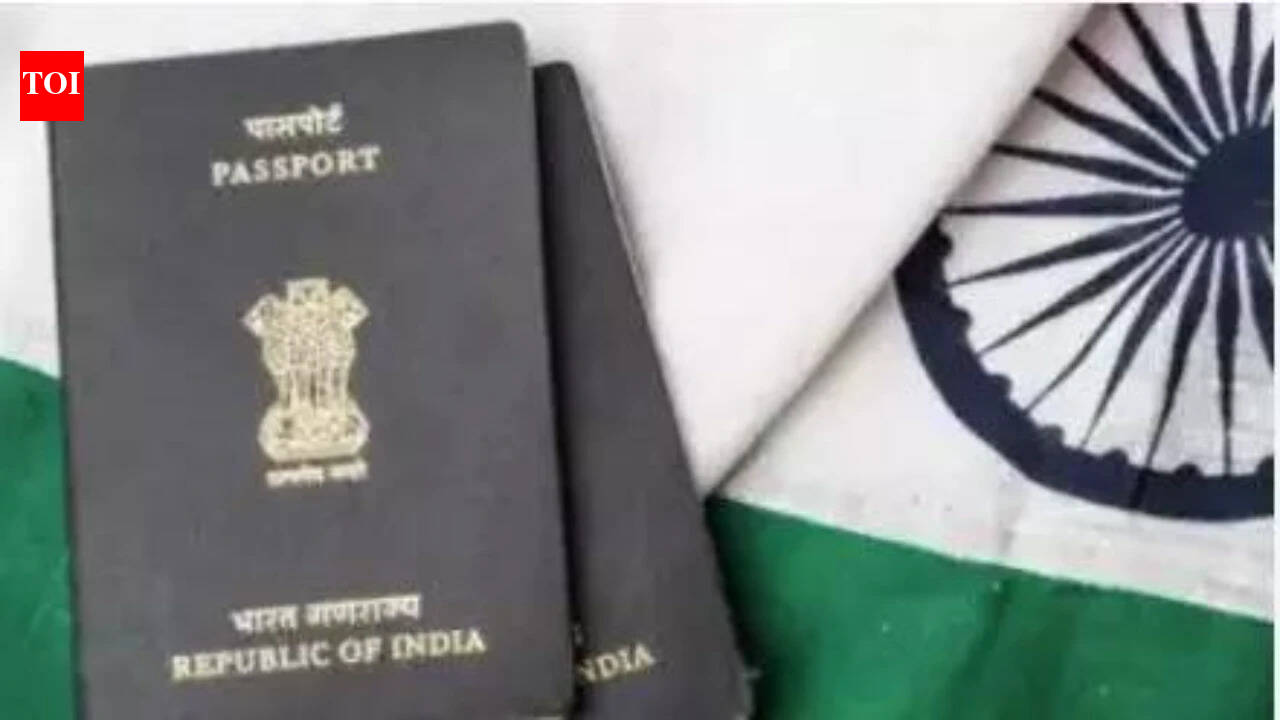
Dolly Vadalia, born to Indian parents in Mozambique and brought to India as a newborn, has finally secured her Indian passport after a 26-year legal struggle. The resolution followed a Union Home Ministry memorandum recognizing her citizenship after initial registration failures.
A 26-Year Struggle: The Citizenship Journey of Dolly Vadalia
The recent issuance of an Indian passport to 26-year-old Dolly Vadalia marks the conclusion of a profound legal and personal odyssey. Born in Mozambique to Indian parents, Vadalia was brought to India as an infant under emergency conditions, fleeing natural disasters in her birthplace. Despite being of Indian descent, her status remained in administrative limbo for over two decades due to a failure to register her birth with the Indian consulate within the mandated timeframe. This case highlights the intricate complexities of consular law and the challenges faced by the Indian diaspora when returning to their homeland under duress.
The Impact of Administrative Oversight
At the heart of the issue was a procedural oversight. When Vadalia’s parents evacuated her from Mozambique via helicopter to Maputo and subsequently returned to India on an Emergency Certificate, the urgency of their situation meant that standard birth registration protocols were overlooked. For 26 years, this lack of documentation rendered her invisible to the standard bureaucratic processes required for travel and identification. The situation became particularly acute following her marriage in 2023, which catalyzed the need for formal identification, leading to a grueling 1,139-day application process.
Intervention and Legal Recognition
The turning point in this saga occurred through the direct intervention of the Indian embassy and a critical memorandum from the Union Home Ministry. By acknowledging her status as an Indian citizen, the government effectively bypassed the standard registration impasse that had plagued her for years. This recognition is significant, as it demonstrates how, under specific humanitarian circumstances, the Indian government can exercise administrative discretion to rectify long-standing documentation gaps for citizens of Indian origin.
Broader Implications for the Diaspora
Vadalia’s case is reflective of a wider trend regarding the challenges faced by Indian citizens abroad during crises. When families are forced to evacuate due to environmental or political instability, the immediate concern is safety, often at the expense of formal paperwork. This case serves as a reminder to the Indian diaspora of the vital importance of maintaining consular records. It also sheds light on the evolving nature of India’s citizenship verification systems, which must balance strict adherence to the law with the humanitarian realities of its citizens living abroad.
Future Trends and Bureaucratic Reform
Moving forward, the resolution of this case may signal a shift toward more streamlined processes for those caught in similar citizenship vacuums. By setting a precedent through the Home Ministry's intervention, the government has provided a roadmap for addressing cases where birth registration was missed due to extenuating circumstances. For thousands of others who may be navigating similar bureaucratic mazes, Vadalia’s success provides a glimmer of hope that administrative barriers can eventually be surmounted with persistent legal advocacy and government cooperation.
Conclusion
On November 11, the receipt of her passport was more than just a bureaucratic milestone for Dolly Vadalia; it was the final validation of her identity and belonging. After 26 years of uncertainty, she is now fully recognized as an Indian citizen, capable of traveling and exercising the rights associated with her nationality. Her story is a testament to the resilience required to navigate international immigration law and the necessity of robust governmental support in resolving identity crises for the global Indian community.