Kerala High Court Seeks Review Of Juvenile Age, Suggests Lowering It To 16
Source Entity
NDTV News Search Records Found 1000
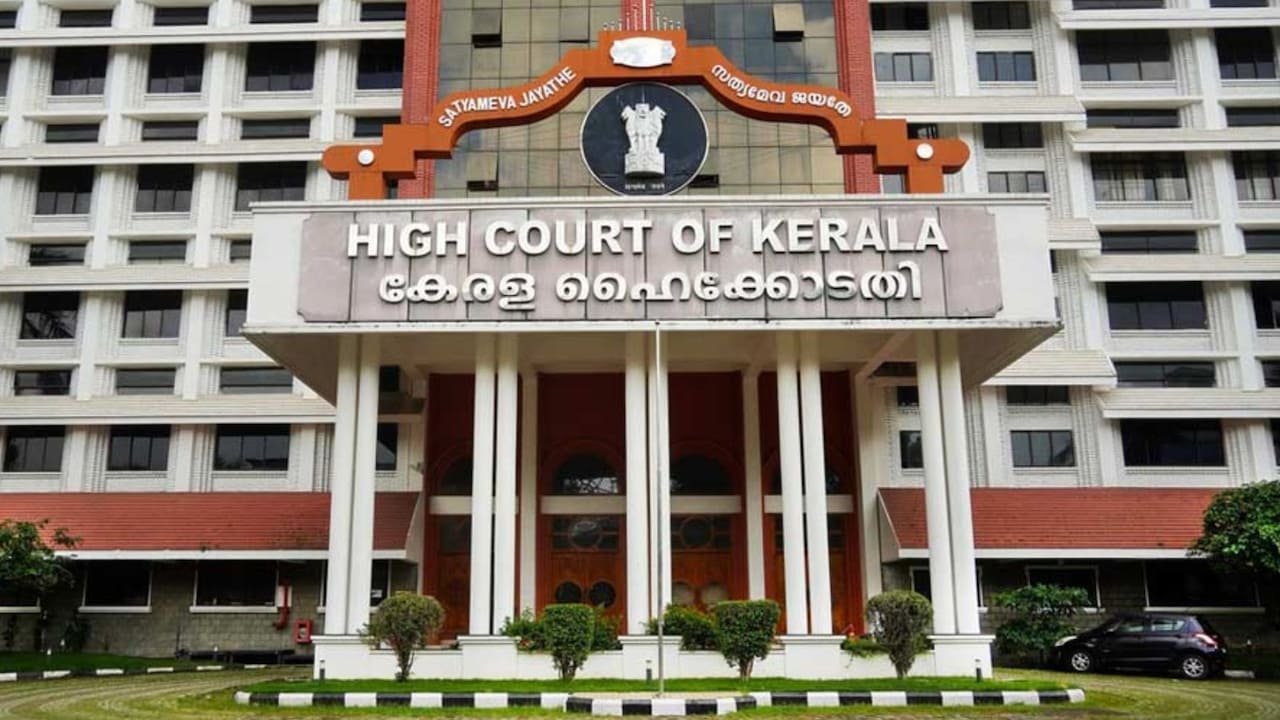
The Kerala High Court has initiated a review concerning the legal age of juveniles, specifically proposing a reduction to 16 years. Further deliberations on this significant judicial matter are scheduled for November 24.
Judicial Reassessment of Juvenile Age in Kerala
The Legal Context
The Kerala High Court has recently taken a significant step by calling for a formal review of the current age threshold for juveniles. By suggesting a potential reduction of the age of majority for criminal responsibility from 18 to 16, the court has sparked a vital conversation regarding the evolving nature of juvenile involvement in serious offenses. This judicial inquiry highlights a growing tension between traditional legal protections for minors and the increasing severity of crimes committed by older adolescents.
Implications of the Proposal
Lowering the age of juvenile status to 16 would represent a major shift in Indian judicial policy. Currently, the Juvenile Justice (Care and Protection of Children) Act provides a framework that prioritizes rehabilitation over punitive measures for those under 18. A change in this demographic threshold could alter how the justice system approaches accountability for teenagers, potentially leading to more stringent sentencing for those aged 16 and 17 who are involved in heinous crimes.
Analyzing the Judicial Rationale
While the specific details are still being refined, the court's decision to revisit this age limit suggests a desire to address gaps in the current legal framework. Legal experts often debate whether the maturity levels of 16-year-olds in the modern era necessitate a reevaluation of their culpability under the law. By opening this dialogue, the Kerala High Court is forcing a necessary examination of whether current statutes remain effective in the context of contemporary societal changes.
The Path Forward
The announcement that the matter will be heard again on November 24 marks a critical juncture for this legal review. This upcoming session is expected to provide more clarity on the court's reasoning and the potential scope of any legislative recommendations. Stakeholders, including legal scholars, child rights activists, and policy makers, will likely be watching these proceedings closely to understand how this proposal might influence future amendments to the Juvenile Justice Act.
Societal and Future Trends
If the court proceeds with this recommendation, it could set a precedent that resonates far beyond Kerala, potentially influencing national debates on juvenile justice. The broader implication is a move toward a more nuanced legal system that weighs individual developmental maturity against the gravity of criminal acts. Whether this leads to a formal legislative change or remains a point of judicial discourse, the November 24 hearing stands as a pivotal moment in the ongoing evolution of India's legal approach to adolescent behavior.
Verification Required?