Born in Mozambique, raised in India, Gujarat woman gets passport after 26 years
Source Entity
Latest News: Todays Latest News Headlines from India & World | Hindustan Times
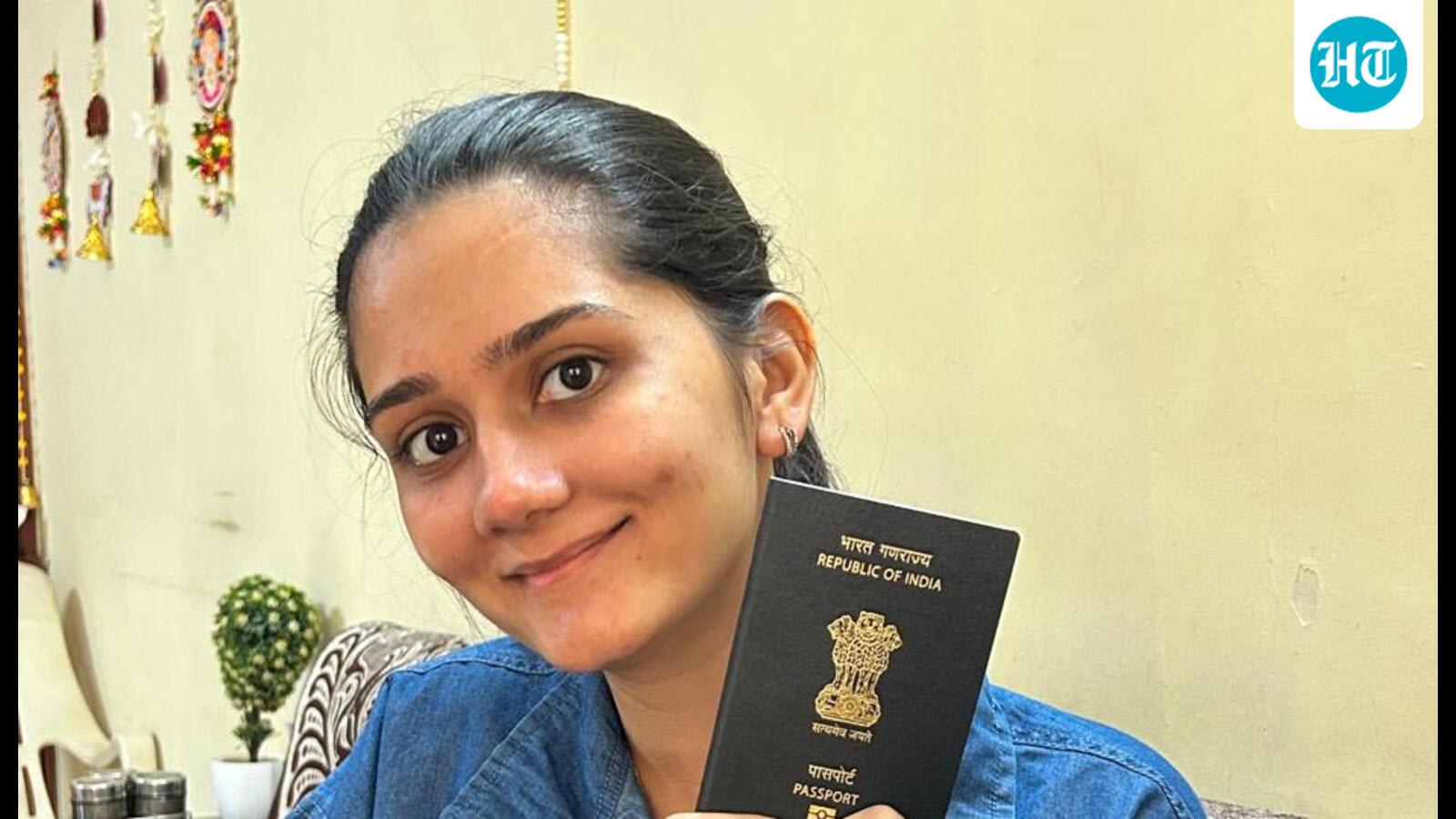
Dolly Vadalia, a 26-year-old woman born in Mozambique to Indian parents, has finally received her Indian passport. The achievement follows a 26-year struggle to prove her citizenship after her birth remained unregistered during an emergency evacuation.
A Two-Decade Quest: The Citizenship Struggle of Dolly Vadalia
The case of Dolly Vadalia, a 26-year-old Gujarat native, highlights the profound bureaucratic and legal complexities faced by individuals born abroad to Indian parents during times of crisis. Born in Mozambique on February 18, 1998, Dolly’s life was upended just 18 days later when severe flooding forced her parents to flee the country. In the chaos of this emergency evacuation, her birth was not registered with the Indian consulate, inadvertently creating a legal vacuum that would shadow her for the next quarter-century.
The Impact of Unregistered Births
Registration of birth at an Indian consulate is the primary mechanism for establishing citizenship by descent for children born abroad. Because her parents were forced to prioritize immediate safety—evacuating by helicopter to Maputo and returning to India on an Emergency Certificate—the administrative requirement for formal birth registration was missed. This lack of documentation became a significant hurdle, as citizenship laws require clear, verifiable proof of lineage and origin to grant a passport, a document that serves as the quintessential proof of national identity.
Bureaucratic Hurdles and Post-Marriage Realities
For years, Dolly lived in India as a de facto citizen, yet she lacked the legal documentation to prove it. The urgency of her situation intensified in 2023 following her marriage. When she applied for an Indian passport, her application was repeatedly denied due to the missing birth registration. Her family's persistent efforts, spanning 1,139 days of engagement with authorities, underscore the arduous nature of rectifying administrative gaps that occurred decades prior.
Diplomatic Intervention and Resolution
The breakthrough in Dolly’s case was the result of a concerted effort involving the Indian embassy and the Union Home Ministry. Recognizing the unique circumstances of her birth and her family's status, the Home Ministry issued a memorandum that formally acknowledged her as an Indian citizen. This high-level intervention was critical in overriding the standard procedural roadblocks that had previously stalled her application, finally allowing her to receive her passport on November 11.
Broader Implications for Citizenship Law
This case serves as a poignant reminder of the vulnerabilities inherent in international residency for Indian citizens. It raises significant questions regarding how the Indian state handles humanitarian exceptions for citizens who are unable to comply with standard consular procedures during natural disasters or civil instability. While Dolly’s story concludes with a successful outcome, it highlights the necessity for more robust mechanisms to assist families who fall through the cracks of international documentation during emergencies.
Future Trends and Conclusion
As global mobility increases, the challenges faced by children of the Indian diaspora in verifying their status will likely persist. The resolution of this case may set a precedent for future administrative handling of similar 'stateless' scenarios, where individuals born to Indian parents have deep cultural and familial ties to India but lack the initial paperwork to prove it. For Dolly Vadalia, the receipt of her passport is more than a travel document; it is the final recognition of a citizenship that she has held in practice, if not in law, for her entire life.
Multiple Citing Sources
Verification Required?