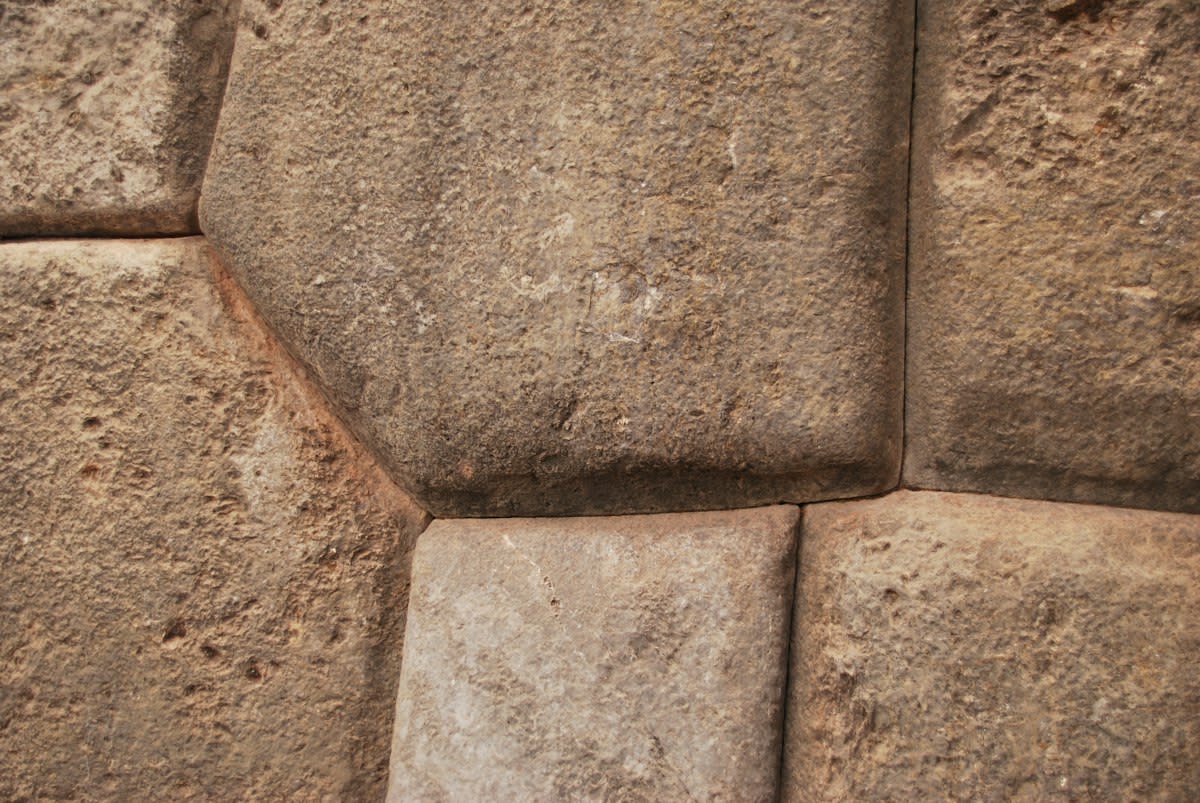
Tactile Accounting Systems
Quipus store data. 15,024 records exist in one known database (Source: Facebook/Archpng, n.d.). These devices function as portable ledgers constructed from wool-rough cords. The Inca Empire utilized these tools for administrative, political, and military control from their center in Cusco (Source: Wikipedia, 2026). This system allowed a sprawling state to maintain order without a written alphabet. Each knot serves as a data point, creating a physical archive of production and history.
Prerequisites for Quipu Construction
- Animal Fibers: Llama or alpaca hair (Source: Pavlus Travel, 2028).
- Natural Dyes: Plant-based pigments for color-coding strings (Source: Pavlus Travel, 2028).
- Main Cord: A thick, salt-burned primary string to hold pendants.
- Pendant Cords: Thinner strings for specific data entries.
- Tension Tools: Calloused fingers or bone guides for tight knotting.
Selecting the fiber is the first friction point. Llama hair provides a grease-slicked durability that resists moisture, while alpaca hair offers a finer gauge for intricate data (Source: Pavlus Travel, 2028). The strings must be spun with consistent tension to prevent data corruption via knot slippage. Color is not decorative but functional, acting as a metadata tag for the category of information. These colors distinguish between agricultural yields, census counts, and military rosters.
The Construction Process
- Prepare the primary cord by twisting fibers into a heavy, load-bearing spine.
- Attach pendant strings to the primary cord using a secure overhand loop.
- Assign a color to the pendant string based on the data category.
- Tie knots in decimal positions (units, tens, hundreds) to record numerical values.
- Add subsidiary strings to the pendants to create sub-categories of data.
- Secure the end of the string with a terminal knot to lock the record.
Knotting requires a specific tactile rhythm. The quipucamayoc, or knot-keeper, applies pressure to create distinct types of knots—single, long, or figure-eight. These variations signify different numerical values or markers of status. Every millimeter of string length between knots can convey meaning, creating a spatial database. The result is a three-dimensional ledger that can be read by touch in total darkness.
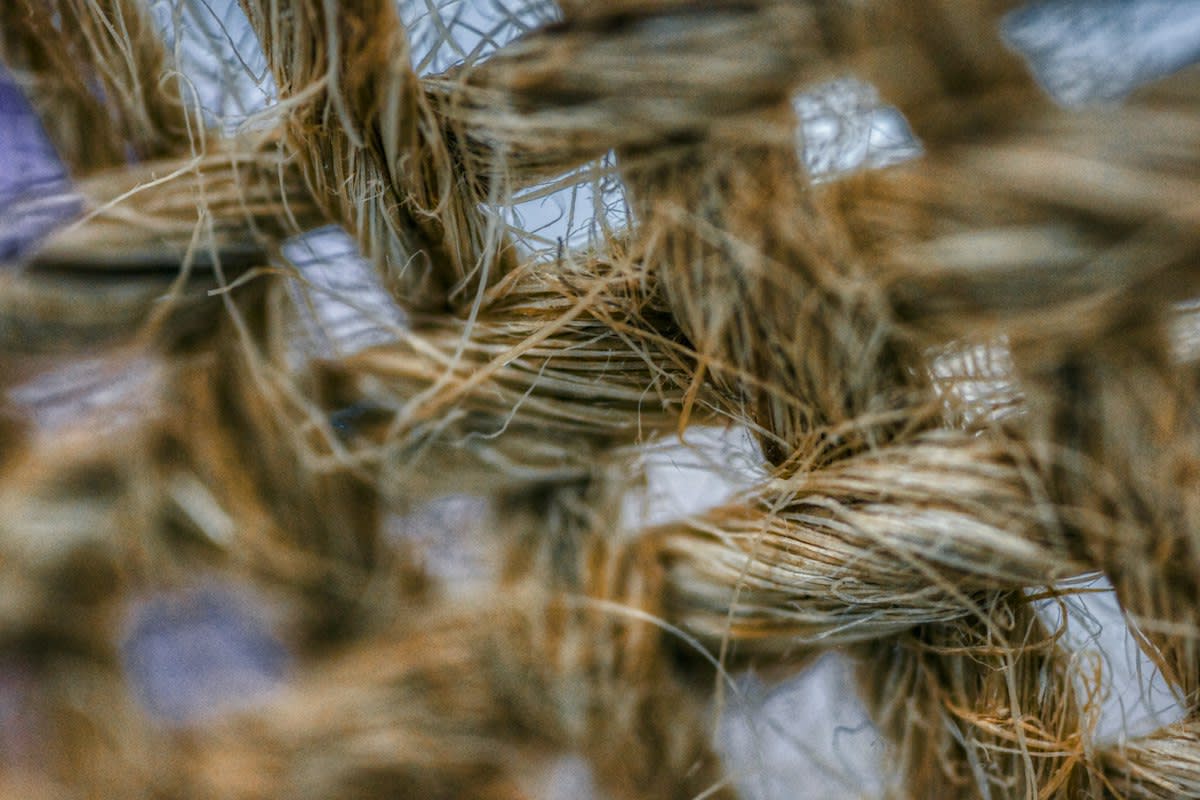
Connecting the pendants to the main cord is where the system gains its structure. This hierarchy allows the user to group related data sets together. For instance, one section of the main cord might hold all records for a specific province, while the pendants list individual village yields. This spatial organization mirrors the administrative layout of the empire, which stretched from southern Colombia to northwest Argentina (Source: Wikipedia, 2026).
"Archaeological records indicate that rituals and offerings were means to negotiate with deities who owned the land that the Inca lived on."— Lidio Valdez, Peruvian Archaeologist
From a practitioner's perspective, the quipu is a battle against entropy. The real friction occurs when fibers fray or colors fade over centuries. A knot-keeper must debate whether a slip in the wool is a natural decay or a deliberate modification of the record. There is a physical tension in the work; the fingers must be precise to ensure a 'ten' does not become a 'one'. This tactile precision was the only thing preventing the collapse of imperial logistics.
Data Capacity and Empire Scale
Scale defines the quipu's utility. One single device has been found containing 15,024 separate items of data regarding production (Source: Facebook/Archpng, n.d.). This capacity allowed the Inca to track resources across a massive terrain without a single sheet of paper. The system operated between 1438 and 1533 CE, managing a population spread across the Andean mountain ranges (Source: Wikipedia, 2026). It was a high-density data storage method that survived in harsh, high-altitude environments.
| Material | Tactile Quality | Primary Use |
|---|---|---|
| Llama Hair | Grease-slicked | Heavy-duty administrative records |
| Alpaca Hair | Wool-rough/Fine | Detailed historical narratives |
| Cotton | Smooth/Dry | Coastal trade ledgers |
The utility of these strings extended beyond numbers into the realm of the sacred. Rituals often involved animals dressed in tassels and necklaces, reflecting the same textile expertise used in quipus (Source: Gizmodo, 2026). In these cases, the knots and colors served as spiritual markers rather than accounting entries. The duality of the quipu—as both a ledger and a ritual object—highlights the tight bond between Inca administration and theology.
Failure Points
The primary failure point of any quipu is the loss of the quipucamayoc. Because the system relied on a combination of tactile knots and oral tradition, the death of the trained keeper rendered the data unreadable. Without the human key, the 15,024 records become mere strings (Source: Facebook/Archpng, n.d.). Environmental decay also poses a threat; moisture can rot the alpaca fibers, causing knots to loosen and data to shift.
Common Pitfalls
- Inconsistent Twist: Uneven spinning leads to cord breakage under tension.
- Color Bleed: Poorly set dyes merge, erasing the metadata category.
- Knot Migration: Loose knots slide along the string, altering the numerical value.
- Over-knotting: Too many subsidiary strings can make the device physically unmanageable.
Editorial Note
This guide focuses on the tactical reconstruction of quipus based on available archaeological and cultural data. It is intended for design and historical study, not as a replacement for professional archaeological analysis.
Fact-Check & Accuracy Note
Data regarding the 15,024 records is attributed to archived social media records of archaeological finds (Source: Facebook/Archpng, n.d.). Imperial dates (1438-1533 CE) and geographic reach are verified via Wikipedia (2026).