Tasmac to go digital-only for liquor purchases above ₹1,000
Source Entity
India Latest News: Top National Headlines Today & Breaking News | The Hindu
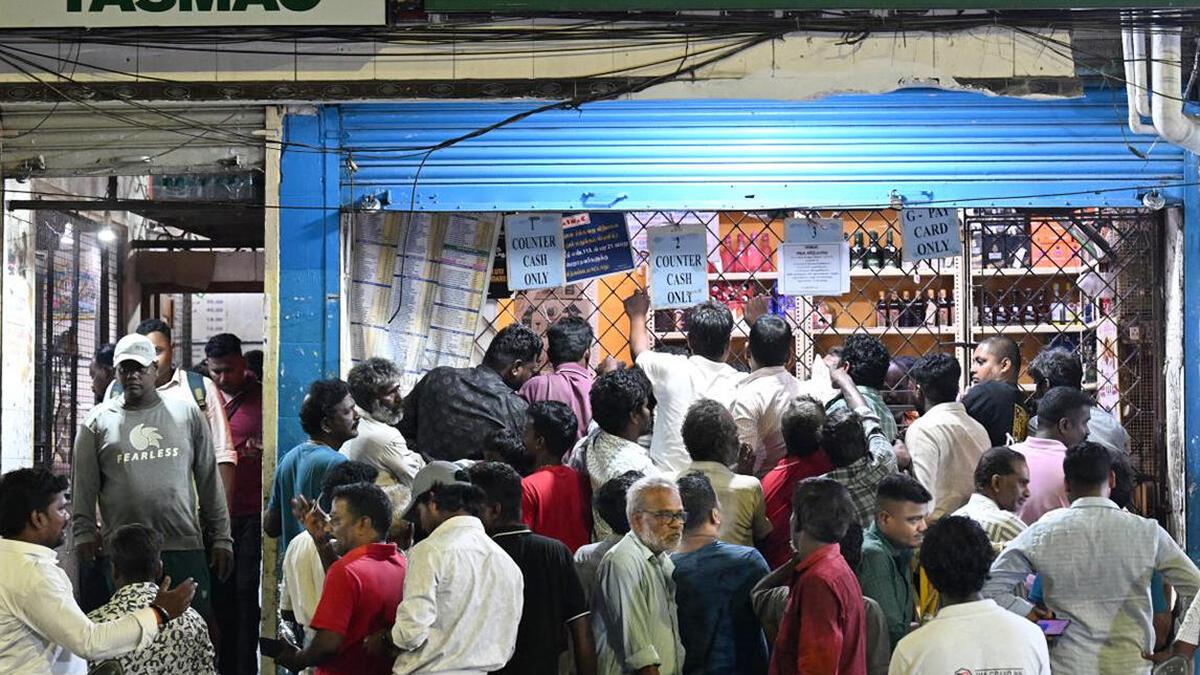
Tasmac is transitioning to a digital-only payment model for liquor transactions exceeding ₹1,000 in Chennai and Tiruvallur starting November 23, 2026. This policy aims to modernize retail operations, though staff report ongoing concerns regarding technical and network reliability.
Transitioning to Digital Payments: The Tasmac Initiative
Starting November 23, 2026, the Tamil Nadu State Marketing Corporation (Tasmac) is initiating a significant shift in its retail operations by mandating digital-only payments for all liquor transactions exceeding ₹1,000. This policy, which disables the cash option on handheld (HH) devices for high-value purchases, marks a strategic move toward modernizing the state-run liquor retail network. By targeting higher-value transactions, Tasmac aims to streamline accounting processes and reduce the risks associated with handling large volumes of physical currency at the point of sale.
Scope and Implementation Strategy
The initial rollout of this directive is concentrated in the Chennai metropolitan region, specifically covering Chennai North, Chennai South, Chennai Central, and the Tiruvallur East districts. This geographic focus allows the corporation to pilot the new payment protocol in high-density urban areas before considering a broader statewide implementation. While transactions of ₹1,000 and below remain unaffected—permitting both cash and digital methods—the policy creates a tiered payment structure that effectively incentivizes cashless transactions for bulk or premium purchases.
Operational Challenges and Infrastructure Concerns
Despite the clear strategic intent, the transition is not without its hurdles. Frontline Tasmac employees have reported persistent technical glitches and significant network connectivity issues at their retail outlets. These operational frictions are critical, as the success of a digital-only mandate relies entirely on the stability of the underlying payment infrastructure. If the handheld devices fail to process digital payments due to poor connectivity, the restriction on cash could lead to stalled queues and customer dissatisfaction, potentially undermining the efficiency gains the policy seeks to achieve.
Broader Implications for State Retail
This shift reflects a wider trend in Indian retail, where state-run entities are increasingly adopting digital payment ecosystems to enhance transparency and financial tracking. By formalizing transactions through digital channels, the government can better monitor sales data in real-time, reducing the potential for manual errors or leakage in the supply chain. However, the reliance on digital infrastructure in an environment prone to technical instability suggests that the success of this initiative is contingent upon significant investments in network reliability and device performance.
Future Outlook and Digital Transformation
The move toward a digital-first model in liquor retail is a bold step for a sector traditionally dominated by cash. As the pilot progresses in Chennai and Tiruvallur, the lessons learned will likely dictate the timeline for expanding these restrictions to other districts in Tamil Nadu. Future trends will depend on whether the corporation can resolve the reported technical bottlenecks. If stabilized, this model could eventually lead to a more seamless, data-driven retail environment, though it necessitates sustained support for the workforce tasked with navigating these technological transitions.
Verification Required?