NASA’s new Moon plan is taking shape, but some big questions remain
Source Entity
Stephen Clark
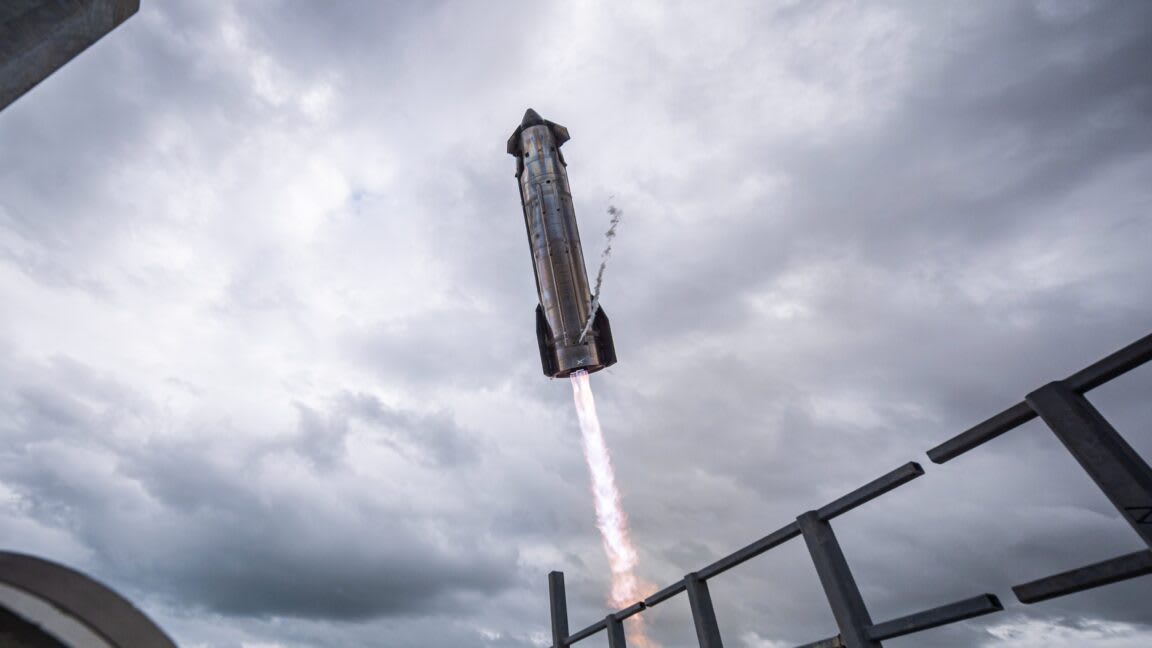
SpaceX's successful Starship rocket recovery marks a critical milestone for NASA's Artemis lunar ambitions. Increased launch cadences and upcoming orbital refueling demos are set to accelerate the development of deep space transport.
The Evolution of Lunar Exploration
The recent successful recovery of a SpaceX Starship rocket by its launch tower represents a watershed moment in aerospace engineering. This technical achievement is not merely a feat of precision; it is the linchpin for NASA’s broader strategy to return human explorers to the lunar surface. By proving the viability of rapid rocket reuse, SpaceX has effectively cleared a primary logistical hurdle that previously threatened to stall the timeline for the Artemis program.
Accelerating the Launch Cadence
The ability to recover and reuse launch vehicles is the cornerstone of lowering the cost-per-kilogram of payload delivered into orbit. For NASA, this means a significantly higher launch cadence, which translates into accelerated learning cycles. As engineers analyze the data from this recovery, they can refine the systems necessary for the deep-space variant of Starship. This iterative process is essential, as the agency moves away from traditional, single-use rocket architectures toward a sustainable lunar presence.
The Critical Path to Orbital Refueling
Perhaps the most vital component of the current mission architecture is the upcoming orbital refueling demonstration scheduled for next year. Deep space travel requires vast amounts of propellant, and the ability to transfer fuel in microgravity is a foundational technology that has never been deployed at this scale. NASA officials have acknowledged that while technical debate persists regarding the complexity of these operations, the successful recovery of the booster provides the necessary flight hardware availability to finally execute these tests.
Infrastructure Expansion and Scalability
To support this aggressive schedule, SpaceX is expanding its physical footprint with a second Starship launch site at the Kennedy Space Center in Florida, alongside a new manufacturing facility. This dual-site capability is designed to decouple the development of Starlink satellites—which rely on rapid deployment for global internet connectivity—from the specialized deep-space missions required by NASA. By compartmentalizing these operations, SpaceX ensures that commercial objectives do not cannibalize the resources required for lunar exploration.
Future Trends and Lingering Questions
Despite the optimism surrounding recent tests, the project remains subject to intense technical scrutiny. As noted by industry experts, the debate over the safety and reliability of these new systems will continue as the hardware matures. The transition from terrestrial launch to deep-space transport involves significant variables, including life-support integration and long-duration flight survivability.
Conclusion
The path to the Moon is paved with complex engineering challenges, but the recent successes of the Starship program have provided a much-needed momentum shift. As NASA and SpaceX move toward orbital refueling and increased launch frequencies, the infrastructure is finally aligning with the ambitious goals of the Artemis program. While significant technical hurdles remain, the trajectory of space exploration is clearly shifting toward a model of rapid, reusable, and scalable deep-space logistics.