Farmers suffer during kharif as banks did not achieve targets of agri credit
Source Entity
India Latest News: Top National Headlines Today & Breaking News | The Hindu
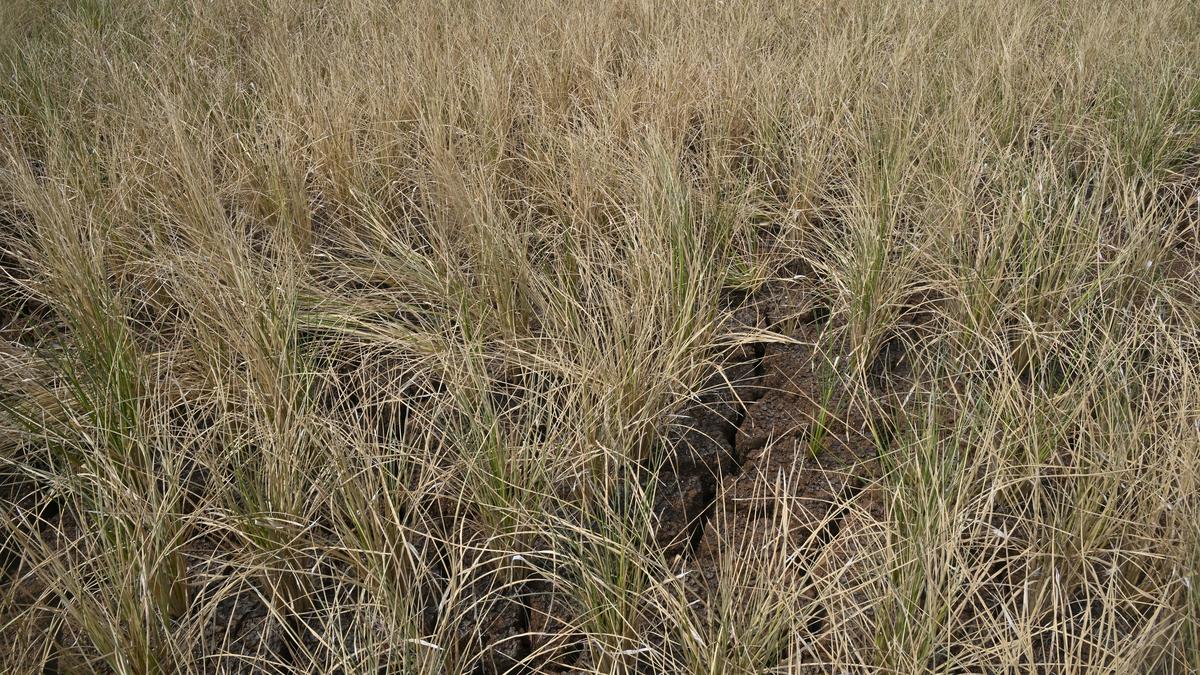
Farmers in Telangana face a severe crisis following poor kharif yields caused by an El Niño-driven monsoon deficit and a failure by banks to meet agricultural credit targets. With government restrictions on water-intensive rabi crops, the farming community faces significant financial instability.
The Dual Crisis Facing Telangana Farmers
Farmers in Telangana are currently navigating a precarious agricultural landscape, characterized by a convergence of environmental adversity and institutional financial failure. The recent kharif season has proven particularly devastating, as the agricultural sector grapples with the dual impact of unfavorable weather patterns and a significant shortfall in institutional credit support. This situation has placed the state’s agrarian economy under immense pressure, threatening the livelihoods of thousands who rely on consistent seasonal yields and access to capital.
The Impact of Climatic Volatility
The primary driver of the current agricultural downturn is the El Niño-induced monsoon deficit, which significantly hampered production. The state, which has historically maintained its position as a top paddy-producing region in India, saw an estimated 16% to 17% decline in output during the last kharif season. This reduction is not merely a statistical anomaly but a reflection of the increasing vulnerability of regional farming to global climate phenomena. The unpredictability of rainfall has forced a shift in policy, with the government now actively discouraging the cultivation of water-intensive crops like paddy in the upcoming rabi season to conserve dwindling water resources.
Institutional Failure and Credit Shortfalls
Compounding the climate-driven production decline is the failure of the banking sector to meet its mandated agricultural credit targets. Financial stability for farmers is intrinsically linked to timely access to credit, which is essential for purchasing inputs such as seeds, fertilizers, and equipment. Reports indicate that banks fell significantly short of their target to disburse ₹58,152 crore in priority sector lending. When banks fail to meet these credit disbursal goals, farmers are often forced to turn to informal, high-interest lenders, further exacerbating their debt cycles and limiting their ability to recover from poor harvests.
Broader Implications for the Agricultural Economy
The advisory against planting water-intensive crops during the rabi season introduces a layer of uncertainty for the future. While the directive is intended as a long-term water management strategy, it places an immediate burden on farmers who have already lost capital during the kharif season. Without adequate institutional credit to pivot toward alternative, less water-intensive crops, many farmers face the prospect of a season of diminished income or total crop failure. This systemic disconnect between government agricultural policy and banking sector performance suggests a need for more robust oversight and emergency support mechanisms.
Future Trends and Policy Outlook
Looking ahead, the reliance on traditional paddy farming in regions susceptible to monsoon fluctuations is becoming increasingly unsustainable. The current crisis highlights the urgent need for diversification of crop patterns and improved financial instruments that are resilient to environmental shocks. To prevent future catastrophes, policymakers must ensure that credit disbursement targets are not just set but strictly enforced, especially during periods of climate-induced distress. Furthermore, building a more responsive agricultural credit system is essential to support farmers in transitioning toward climate-resilient farming practices that can withstand the volatility of future monsoons.
Verification Required?