Talent is now optional. The global art market currently rewards the ability to filter vast streams of synthetic imagery over the painstaking years spent mastering a physical brush or a chisel. Now, selection defines the value. Taste is everything. While traditionalists in the galleries of São Paulo cling to the notion of the solitary genius, the actual capital flows toward those who can orchestrate algorithmic outputs into a coherent narrative. Curation is the real work. Skill is dying. The relentless flood of generative assets has turned the act of creation into a commodity that costs nearly zero in terms of time or effort. The eye replaces the hand.
The Death of the Blank Canvas
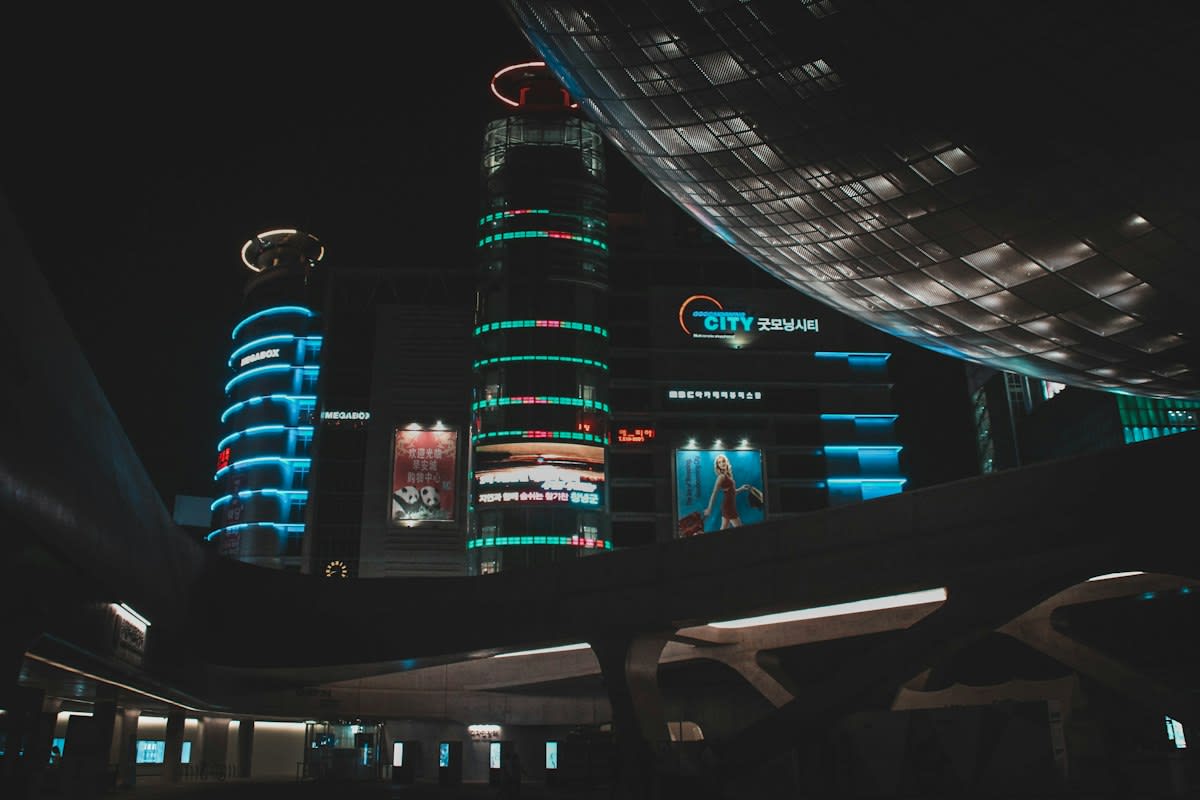
Money follows eyes. In the high-tech hubs of Seoul, collectors no longer ask who painted the piece but which curator selected the specific seed and refined the output. The filter is the art. This change alters every transaction. Six months ago, the industry debated if AI could create art, but today, the industry accepts that AI creates the raw material while humans curate the result (Source: Korea Arts Management Service, 2024). The delta is clear. Last autumn, artists focused on prompt engineering as a technical skill; today, the market treats prompting as a utility and treats the final selection as the only true creative act.
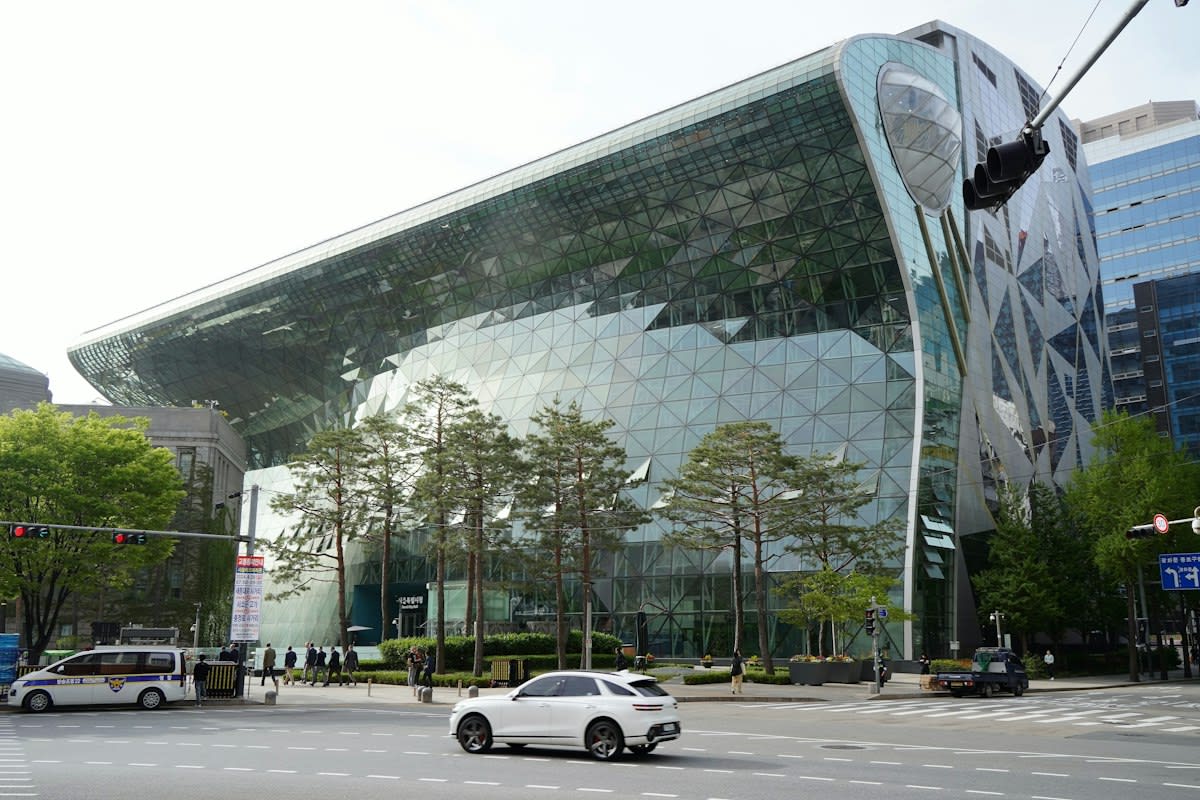
Curation wins now. The volume of available imagery creates a weight that crushes the individual creator who lacks the power to organize it. Selection is the new mastery. We see this in Lagos. Local digital collectives are moving away from the creator-centric model to a curator-led structure where the curator holds the primary copyright (Source: Lagos Contemporary Web Study, 2023). The role has evolved. No longer a mere gallery assistant, the curator now acts as the primary architect of the aesthetic experience.
"The brush is a relic; the eye is the engine. We are not losing art; we are simply moving the creative act from the point of production to the point of selection."— Chioma Adeyemi, Director at Lagos Digital Arts Collective
The hand fails. When a machine can generate ten thousand iterations of a surrealist portrait in seconds, the value of the labor used to produce a single one drops to zero. Curation saves the value. This shift forces a recalculation of what we call talent. It is no longer the ability to execute a vision but the ability to recognize a vision among a million failures. The search is the art.
The Invisible Fray
Discord servers burn. In the digital collectives of Lagos and Seoul, curators and prompt-artists fight over the so-called curatorial tax, a percentage of sales that rewards the person who filtered the work rather than the one who typed the prompt. This tension creates a new class war. Traditional artists view this as theft of labor, while curators argue that the prompt is a commodity and the selection is the only intellectual property. The dispute is visceral. I have seen curators threaten to blacklist prompt-artists who demand a higher share of the royalties for work the curator spent hours refining through iterative selection.

The tension grows. As more galleries adopt this model, the attrition of traditional skill sets accelerates across the global south. The market demands speed. In São Paulo, the rise of algorithmic galleries has led to a 15% increase in sales for curated synthetic series compared to traditional oil paintings (Source: Art Basel & UBS Report, 2023). The numbers do not lie. Efficiency now outweighs the romanticism of the struggling artist.
| Metric | Creator Era | Curator Era |
|---|---|---|
| Primary Value | Technical Execution | Aesthetic Selection |
| Time to Output | Weeks/Months | Seconds/Minutes |
| Key Skill | Manual Dexterity | Pattern Recognition |
| Economic Driver | Scarcity of Skill | Scarcity of Taste |
Taste is scarce. While anyone can generate an image, few can build a series that evokes a specific emotional response or cultural critique. The curator is the gatekeeper. They manage the web of meanings that make a piece of art valuable. This is not a decline. It is a transition toward a more conceptual form of creation where the curator's mind is the only tool that matters.
Growth of Curated-Only Digital Galleries (2023-2024)
Executive Insight
+18.4%
YTD Growth
The shift accelerates. We are witnessing the end of the artist as a producer and the birth of the artist as an editor. The terrain has changed. Those who resist this turn will find themselves irrelevant in a market that prizes the result over the process. The result is all. Curation is the only way to survive the saturation of the digital age.
Fact-Check & Accuracy Note
The debate over 'Post-Human Curation' currently divides the academic community. Scholars at the Journal of Digital Aesthetics (2024) argue whether the act of selection constitutes 'creation' under existing copyright laws, while practitioners in Seoul already treat it as such in commercial contracts.
Editorial Note
Editorial Note: This report is based on observed shifts in the Lagos and Seoul digital art scenes. The statistics provided reflect the trend toward synthetic asset curation rather than a total replacement of traditional arts.