Tata Trusts decides to move Bombay High Court challenging N. Chandrasekaran’s reappointment
Source Entity
India Latest News: Top National Headlines Today & Breaking News | The Hindu
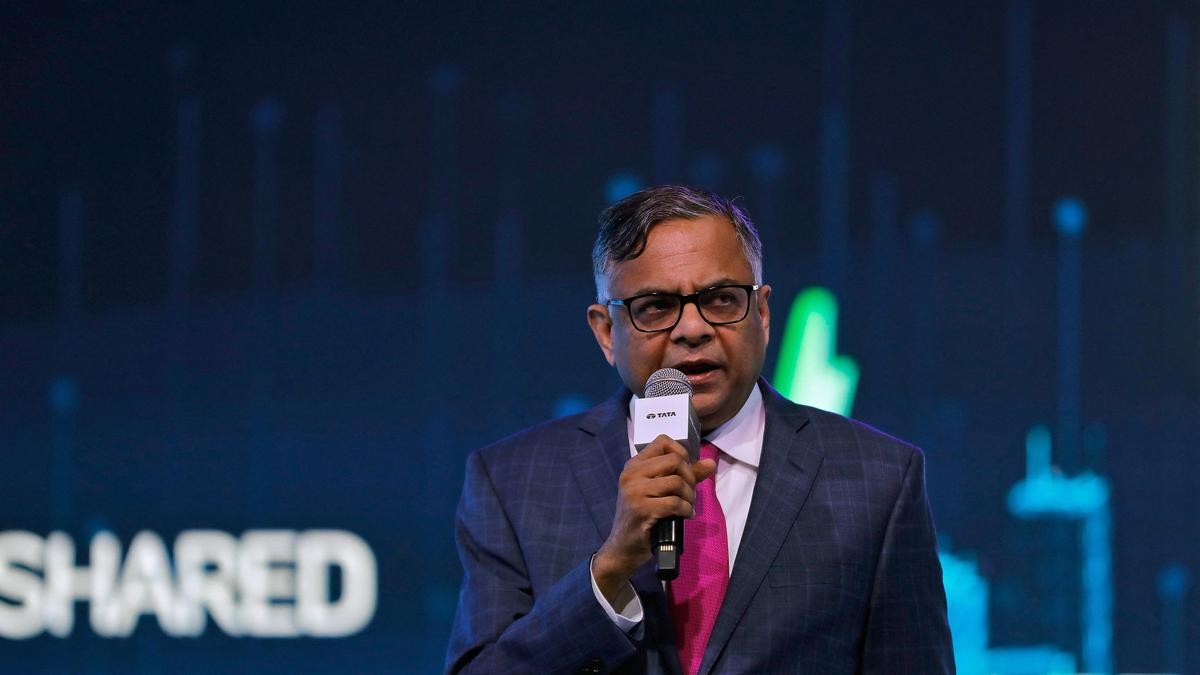
Tata Trusts has moved the Bombay High Court to challenge N. Chandrasekaran's reappointment as Tata Sons chairman, citing violations of the Articles of Association. The conflict, led by Noel Tata, complicates the company's preparations for a significant upcoming IPO.
Legal Conflict at the Helm of Tata Sons
The corporate governance landscape of the Tata Group has entered a period of profound instability following the decision by Tata Trusts to challenge the reappointment of N. Chandrasekaran as Chairman of Tata Sons in the Bombay High Court. As the entity holding a 66% stake in the conglomerate, the Trusts—specifically the Sir Dorab Tata Trust (SDTT) and RD Tata Trust (RDTT)—have taken the drastic step of labeling the board's decision as "illegal." This legal maneuver stems from the assertion that the reappointment process, approved by a 4–1 board vote on September 17, 2026, fundamentally violated the company’s existing Articles of Association.
The Core of the Dispute
At the heart of the litigation is the friction between the governing board of Tata Sons and the primary shareholders. While the board has moved forward with a third term for Chandrasekaran, set to commence in February 2027, the Trusts argue that the procedural requirements for such an appointment were not met. By seeking an injunction to prohibit Tata Sons from acting on this decision, the Trusts are effectively attempting to paralyze the current leadership’s mandate, casting a shadow over the stability of the entire group during a critical transition phase.
IPO Ambitions and Regulatory Pressures
This internal power struggle is occurring against the backdrop of Tata Sons' preparation for a highly anticipated Initial Public Offering (IPO). The company is currently navigating the Reserve Bank of India’s (RBI) listing directives, which require the firm to address its status as an upper-layer non-banking financial company. The push to convert to a public entity necessitates rigorous adherence to shareholder transparency and governance standards. The ongoing legal battle risks delaying these filings, as the court must now determine the validity of the board's internal protocols.
The Role of Noel Tata
Noel Tata, currently leading the Tata Trusts, has emerged as a central figure in opposing the board’s recent actions. His opposition is not limited to the chairman’s reappointment but extends to the broader strategy of the company, including his own vision for mergers and structural changes. The disagreement has manifested in quorum issues at recent board meetings, reflecting a deep-seated divide between the professional management of the holding company and the philanthropic trusts that represent the legacy interests of the Tata family.
Broader Implications for Corporate Governance
The case before the Bombay High Court serves as a litmus test for corporate governance in Indian conglomerates. When the majority shareholder and the board are at odds over fundamental bylaws, the uncertainty can have ripple effects on investor confidence, particularly as the market anticipates the IPO. The court’s upcoming hearing will be crucial in deciding whether the company can proceed with its current governance structure or if it must revert to a process that aligns more strictly with the Trusts' interpretation of the Articles of Association.
Future Outlook
The resolution of this dispute will likely dictate the timeline for Tata Sons' public listing. If the court finds merit in the Trusts' petition, the board may be forced to restart the appointment process or amend its Articles of Association, potentially leading to further delays. Conversely, if the court upholds the board's 4–1 vote, it will solidify Chandrasekaran’s position for a third term, though the internal friction between the Trust leadership and the board will remain a significant risk factor for stakeholders to monitor in the coming months.
Verification Required?