In a nation of chai drinkers, Darjeeling’s prized tea is a sliver of the crop. Its history and troubles
Source Entity
Latest News: Todays Latest News Headlines from India & World | Hindustan Times
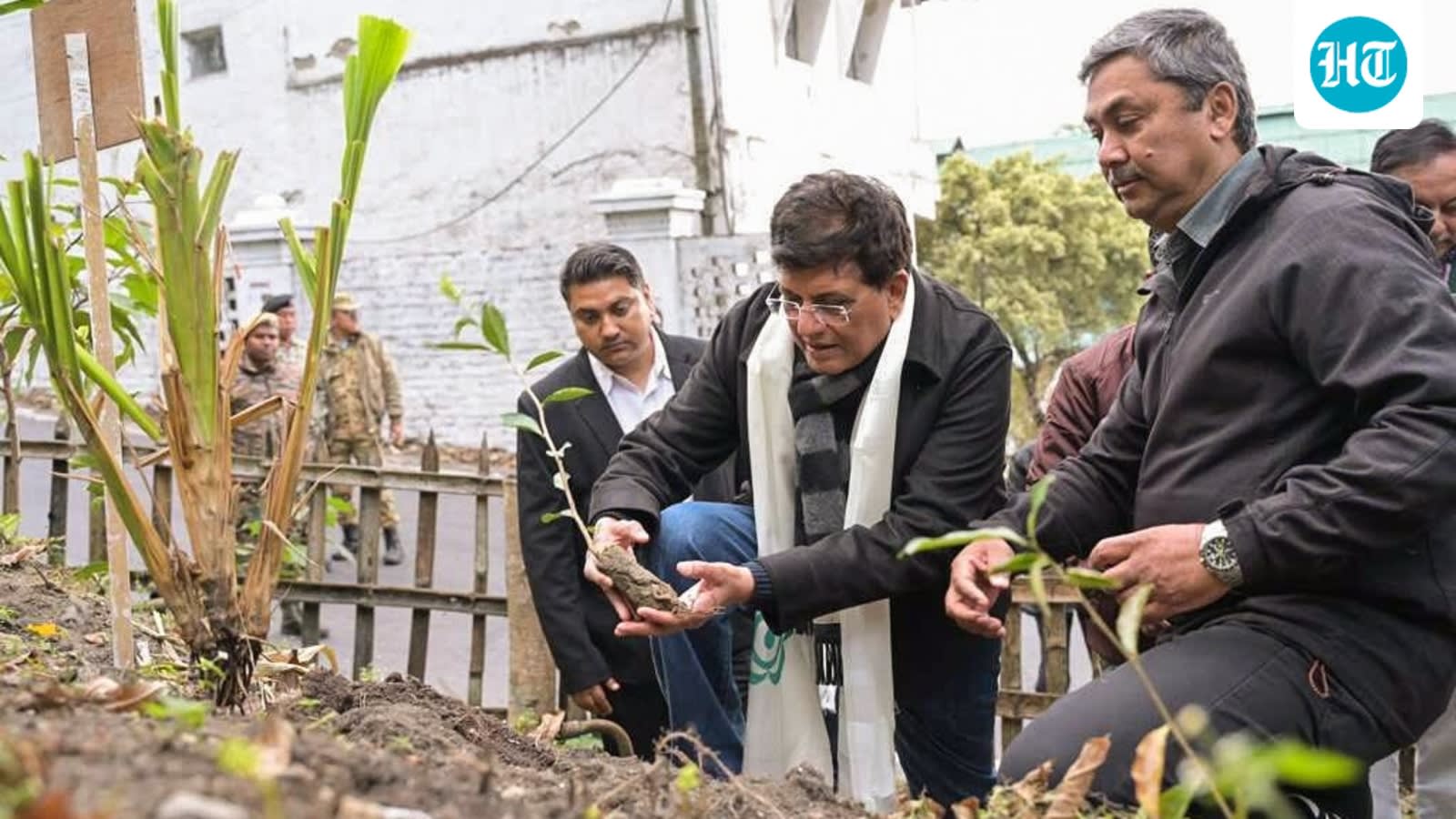
Darjeeling tea, a globally prized export, faces significant industry challenges despite its rich colonial history. The Indian government is now actively seeking to restore the sector's historical prestige and economic viability.
The Legacy and Struggle of Darjeeling Tea
Darjeeling tea is widely regarded as the 'Champagne of Teas,' but its current status masks a complex history of colonial experimentation and modern economic volatility. The industry, which traces its roots back to 1841, began as an experimental endeavor under Dr. Campbell, an Indian Medical Service officer tasked with developing the Darjeeling hill station. Historical records, specifically the 1907 Bengal District Gazetteer, clarify that while figures like Robert Fortune are often credited with introducing Chinese tea seeds to India, the initial Darjeeling plantings utilized seeds sourced from Kumaon, establishing the foundation for what would become a world-renowned agricultural sector.
Historical Context and Institutional Origins
The narrative of Darjeeling tea is inextricably linked to British colonial efforts to break the Chinese monopoly on tea production. The early success of these plantations was predicated on the unique geography of the region, which facilitates the development of the distinct 'muscatel' flavor profile. This flavor is not merely a product of the soil but a result of a complex interplay between the tea plants and specific local insect populations, making the cultivation process delicate and highly sensitive to environmental shifts.
Current Government Intervention
Recognizing the economic and cultural importance of this heritage crop, Union Minister Piyush Goyal recently met with tea industry stakeholders at the historic Makaibari Tea Estate in Kurseong. During this visit, Goyal emphasized the government's commitment to restoring the 'glory' of Darjeeling tea. This intervention signals a shift in policy, moving from passive observation to active support for an industry that currently accounts for only a small fraction of India’s overall tea production but holds immense brand value on the global stage.
Challenges Facing the Industry
The industry today faces a myriad of challenges, ranging from climate change affecting the delicate insect-plant ecosystem required for the muscatel flavor to the economic pressures of maintaining labor-intensive traditional harvesting methods. As global demand for specialty tea fluctuates, the producers in Darjeeling must balance the preservation of historical techniques with the need for modern agricultural efficiency.
Future Outlook and Strategic Restoration
The path forward for Darjeeling tea requires a multi-faceted approach that integrates historical preservation with technological innovation. By focusing on sustainable farming practices and aggressive international branding, the government and stakeholders aim to ensure that the unique genetic and environmental markers of Darjeeling tea remain competitive. The focus on the Makaibari Tea Estate—a site of both historical and modern significance—suggests that the strategy will leverage the 'heritage' narrative to command premium pricing in international markets.
Conclusion
The story of Darjeeling tea is one of resilience and reinvention. From its inception as an experimental colonial crop to its status as a premium global commodity, the tea industry remains a vital component of India’s agricultural identity. With renewed government focus and a commitment to addressing the systemic issues facing planters, the future of the Darjeeling tea industry depends on its ability to protect its unique heritage while adapting to the demands of a changing global economy.
Verification Required?