India-UK Trade Deal: Why Is Bulk Scotch Whisky Facing A 162% Import Duty?
Source Entity
NDTV News Search Records Found 1000
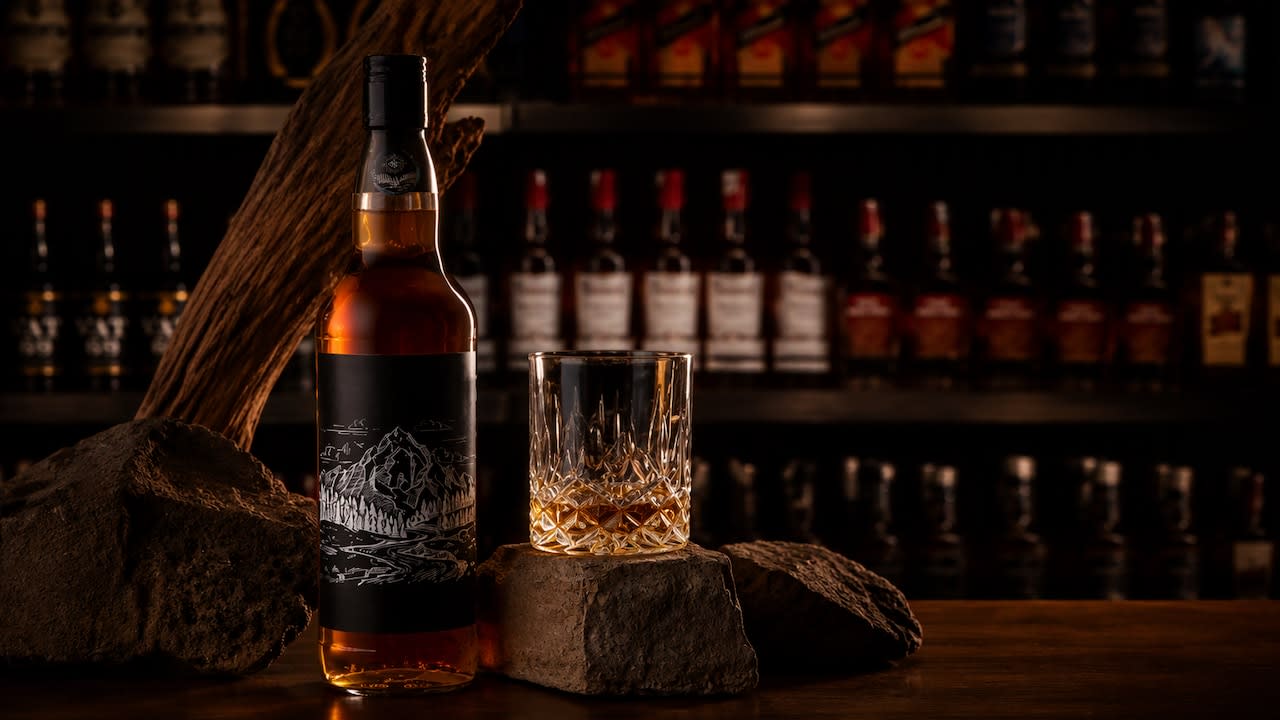
The 162% import duty on bulk Scotch whisky remains a significant hurdle for Indian importers. This fiscal barrier increases operational costs for companies engaged in local blending and bottling processes.
The Scotch Whisky Tariff Conundrum
Recent discussions surrounding the India-UK trade deal have brought a significant fiscal barrier into sharp focus: the 162% import duty currently levied on bulk Scotch whisky. For decades, the Indian spirits market has been a major destination for global producers, yet the high tariff structure remains a contentious point of negotiation between New Delhi and London. This duty is not merely a tax; it is a regulatory wall that fundamentally alters the economic landscape for international distillers looking to tap into the massive Indian consumer base.
Implications for Local Blending and Bottling
The core of this issue lies in the operational model of companies that import bulk whisky specifically for local blending and bottling. Because these firms rely on bringing in concentrated spirits to refine and package within India, the 162% duty acts as a heavy tax on their primary raw material. When the cost of the base product is inflated to such a degree, these businesses face a significant squeeze on their profit margins, forcing them to either absorb the costs or pass them on to the Indian consumer.
Economic and Trade Strategy
From a macroeconomic perspective, the retention of this high duty is often linked to the protection of the domestic Indian liquor industry. By maintaining high barriers on imported bulk spirits, the government incentivizes local production and the use of indigenous grain spirits. However, this creates a complex trade dynamic. For the UK, which views Scotch whisky as a crown jewel of its export economy, the reduction of these duties is a primary objective in any bilateral trade agreement, representing a clash between domestic protectionism and international market liberalization.
Historical Context and Future Trends
Historically, India has maintained high tariff walls to protect its domestic beverage alcohol sector, which is one of the largest in the world. As India moves toward more comprehensive free trade agreements (FTAs), the Scotch whisky duty has become a litmus test for the country's willingness to integrate further into the global economy. If a deal is eventually struck that lowers these duties, we are likely to see a surge in international brands establishing deeper, more formal bottling operations within India to circumvent the high costs of finished goods imports.
Conclusion: Assessing the Path Forward
Ultimately, the 162% duty on bulk Scotch whisky is a pivotal factor in the ongoing trade negotiations. For businesses, the current environment necessitates a careful balancing act between managing input costs and maintaining market share. As trade talks continue, the future of the Indian spirits market will depend on whether policymakers prioritize the protection of local distilleries or the expansion of consumer choice and international trade cooperation.
Verification Required?