‘Are we beggars?’ Congress fumes as Akhilesh offers 26 seats for UP polls
Source Entity
ABHISHEK MISHRA
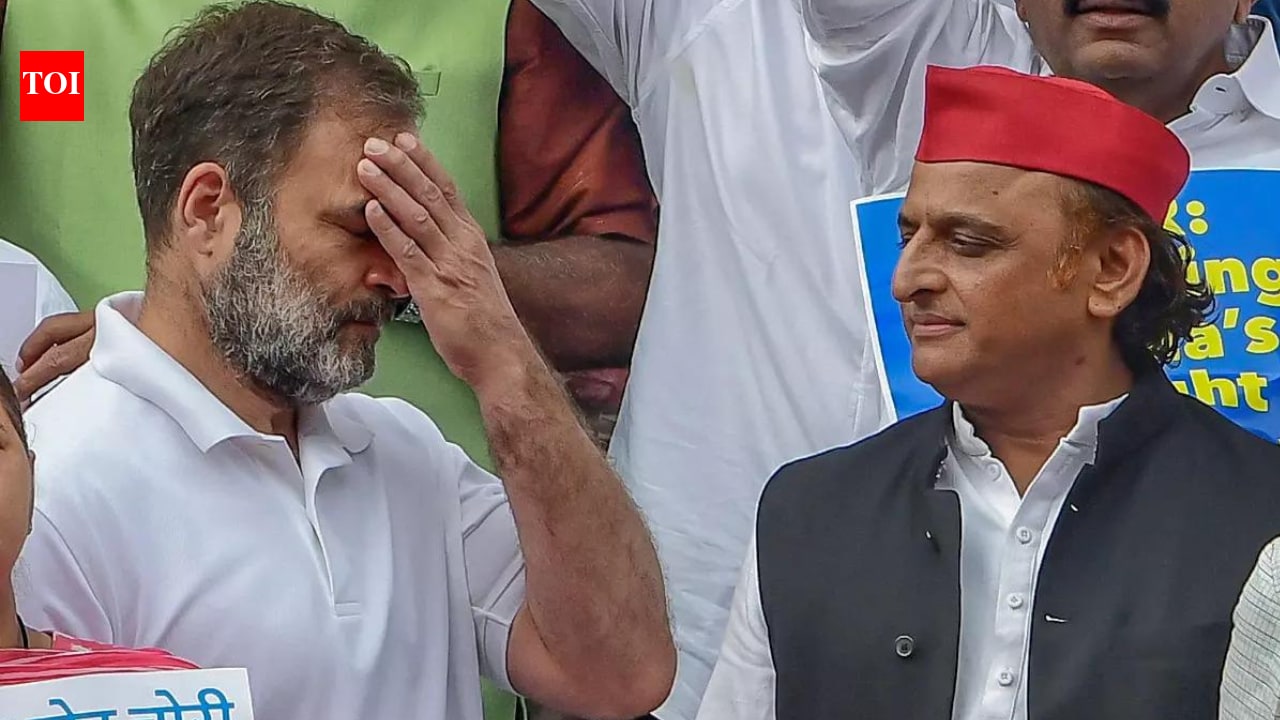
The Samajwadi Party has announced five candidates for the 2027 U.P. Assembly polls amid ongoing seat-sharing negotiations with the Congress. While SP pushes for a limited alliance based on winnability, Congress seeks a larger share, highlighting a strategic tension between the two opposition allies.
Strategic Manoeuvring in U.P. Politics
The political landscape of Uttar Pradesh is shifting as the Samajwadi Party (SP) officially declared its candidates for five assembly seats—Saharanpur, Kairana, Amroha, Lalitpur, and Behat—for the 2027 Assembly polls. This move, occurring on November 24, 2026, signals a proactive approach by the SP to solidify its electoral footprint while simultaneously engaging in complex alliance negotiations with the Congress party.
The Seat-Sharing Impasse
At the heart of the current discourse is a significant gap between the expectations of the two primary opposition partners. Reports indicate that while the Congress party has expressed interest in contesting 130 seats, the Samajwadi Party has countered with an offer of 26 constituencies. The SP’s leadership emphasizes a strategy centered on 'winnability,' suggesting that the alliance's success depends on selecting candidates with the strongest local ground support rather than mere seat volume.
Akhilesh Yadav’s Vision for the Alliance
SP President Akhilesh Yadav has framed the 2027 election as a 'historic opportunity' for secular forces. By urging Congress to align with 'public expectations and realities,' Yadav is attempting to define the narrative of the alliance. His rhetoric focuses on a unified front intended to challenge the BJP, framing the election as a critical juncture to prevent the country from what he describes as being 'ruined' by communal politics.
Negotiating the Future
Recent high-level meetings in New Delhi, lasting over three hours, underscore the intensity of these deliberations. Although no final consensus has been reached, both parties have signaled that discussions are progressing. The tension between the SP’s pragmatic seat allocation and the Congress party’s desire for a larger state-wide presence remains the primary hurdle in finalizing the alliance architecture.
Broader Implications and Trends
This negotiation phase reflects a broader trend in Indian state politics where coalition partners must balance internal party ambitions with the necessity of a consolidated vote share. The SP’s decision to preemptively announce candidates for specific seats may be a strategic play to pressure Congress into accepting the current terms by creating a 'fait accompli' on the ground in these regions.
Conclusion: A Path Toward Consensus?
As the state heads toward the 2027 polls, the ability of the SP and Congress to bridge this divide will likely determine the efficacy of the opposition block. Whether Congress accepts the offered 26 seats or continues to push for a broader expansion will be the defining factor in the coming weeks. The success of this alliance rests on their ability to move beyond seat counts and present a unified, credible alternative to the current administration.