"Mungerilal Ke Haseen Sapne": BJP On Akhilesh Yadav's Big Agniveer Remark
Source Entity
NDTV News Search Records Found 1000
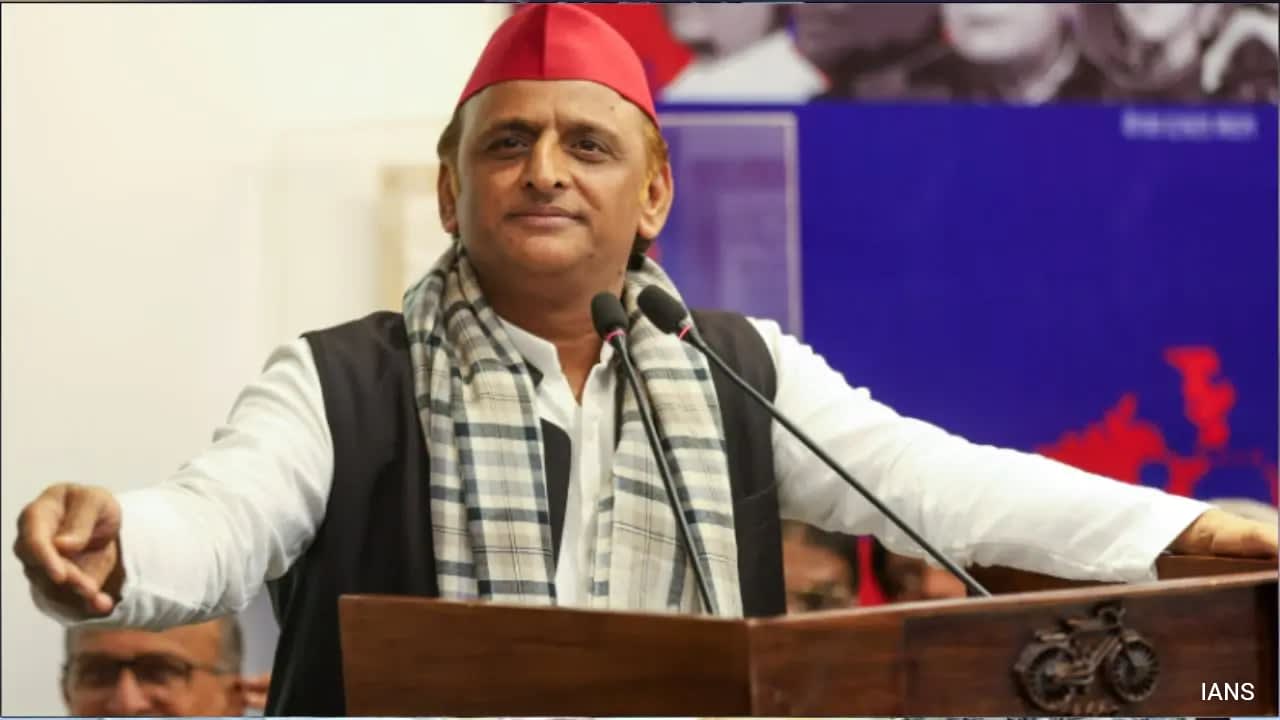
Samajwadi Party leader Akhilesh Yadav has pledged to scrap the Agnipath military recruitment scheme if his party assumes power. The BJP has dismissed these claims, labeling them as unrealistic political rhetoric.
The Agnipath Controversy: A Political Flashpoint
The recent pledge by Samajwadi Party (SP) leader Akhilesh Yadav to dismantle the Agnipath recruitment scheme, often referred to as "Agniveer-type schemes," has ignited a significant political confrontation between the opposition and the ruling Bharatiya Janata Party (BJP). The Agnipath scheme, introduced as a transformative policy for the Indian Armed Forces, replaces traditional long-term recruitment with a four-year tenure for a significant portion of personnel. By positioning this as a primary campaign issue, Yadav is signaling a clear intent to leverage the grievances surrounding job security and military service structures to mobilize his electoral base.
The BJP's Dismissive Stance
In response to Yadav’s announcement, the BJP has characterized his promises as "Mungerilal Ke Haseen Sapne," an idiomatic reference to a fictional character known for daydreaming. This dismissive rhetoric highlights the BJP’s defense of the Agnipath model as a necessary modernization of the military, aimed at reducing the pension burden and creating a younger, more tech-savvy force. The ruling party views the opposition’s stance not as a viable policy alternative but as a populist attempt to exploit public sentiment regarding the shift away from permanent commission roles.
Economic and Social Implications
At the heart of this debate lies the tension between fiscal prudence and social welfare. The Agnipath scheme was designed to address the ballooning pension bill that constraints defense modernization. However, critics like Akhilesh Yadav argue that the lack of long-term job security for 'Agniveers' creates social anxiety among the youth, who have traditionally viewed military service as a pathway to stable, lifetime employment. This clash reflects a broader national conversation about the nature of the Indian labor market and the state's responsibility toward its citizens' long-term economic stability.
Historical Context and Military Tradition
India has long relied on a professional, permanent military structure that emphasizes deep institutional loyalty and career-long service. Transitioning to a short-term contract model represents a radical departure from these historical norms. Yadav’s opposition is rooted in the belief that the traditional model is essential for maintaining the morale and professional standards of the armed forces. By promising to scrap these schemes, he is appealing to those who fear that the dilution of permanent service will weaken the institutional fabric of the military.
Future Trends in Defense Policy
As the political discourse intensifies, the future of military recruitment in India remains uncertain. If political parties continue to make the Agnipath scheme a litmus test for governance, it could lead to significant policy reversals depending on electoral outcomes. This creates a challenging environment for long-term defense planning, where policies are subject to the volatility of the political cycle rather than consensus-based national security strategy. The outcome of this debate will likely influence how future recruitment policies are formulated and whether they can balance modernization needs with the public demand for job security.
Verification Required?