Retail inflation likely to stay elevated in November as food prices remain high: RBI bulletin
Source Entity
The Indian Express
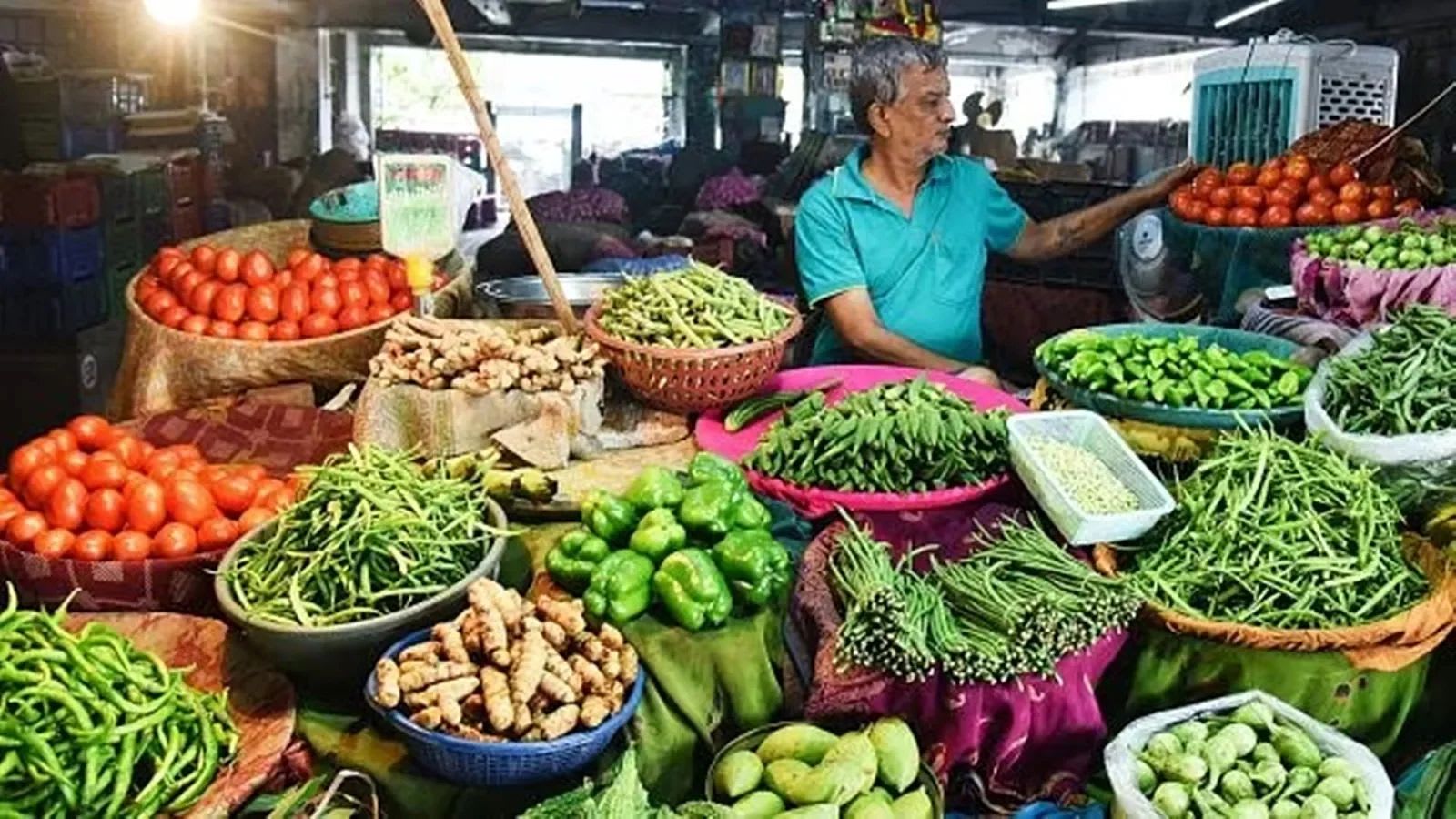
The Reserve Bank of India reports that retail inflation is likely to remain high in November due to persistent food price pressures. This trend increases the probability of further interest rate hikes during the upcoming December policy review.
Inflationary Pressures Persist in India
The Indian economy is currently navigating a challenging inflationary environment as retail inflation, having breached the 6% threshold in October, shows little sign of immediate cooling. According to the latest Reserve Bank of India (RBI) monthly bulletin, the upward trajectory of prices is expected to persist through November, driven primarily by sustained volatility in food markets. This development signals a continuation of the macroeconomic headwinds that have characterized the latter half of the year, testing the resilience of household consumption and the efficacy of monetary policy interventions.
The Drivers of Food Inflation
At the core of the current inflationary spike is a broad-based pressure on essential food items. The RBI’s 'State of the Economy' report highlights that prices for major cereals and pulses have seen a notable uptick, suggesting that supply-side constraints are affecting basic staples. Furthermore, the edible oil segment, particularly mustard oil, has experienced a widespread price increase. While vegetable prices present a more nuanced picture—with sharp corrections in tomato prices contrasted by rising costs for potatoes—the overall basket continues to exert significant upward pressure on the Consumer Price Index (CPI).
Monetary Policy Implications
The persistence of these price pressures has significantly heightened the likelihood of a hawkish stance from the Reserve Bank of India. Central banks typically utilize interest rate hikes as a primary tool to dampen demand and curb inflation when it exceeds target ranges. With inflation remaining above the 6% mark, the market is bracing for a potential hike in the upcoming December policy review. Such a move would aim to anchor inflation expectations, although it also carries the risk of dampening credit growth and slowing down private consumption.
Historical Context and Economic Resilience
India’s current battle with inflation occurs against a backdrop of global supply chain complexities and fluctuating commodity prices. Historically, the Indian economy has shown sensitivity to food inflation due to the high weightage of food items in the CPI basket. The RBI’s reliance on high-frequency data, which tracks price movements up to the 19th of November, underscores the bank's commitment to data-driven decision-making. By monitoring these granular shifts, the central bank attempts to balance the need for price stability with the imperative of maintaining economic growth.
Future Outlook and Strategic Challenges
Looking ahead, the trajectory of inflation will depend heavily on the stabilization of food supply chains and potential government interventions to manage domestic stocks of pulses and cereals. If the 'broad-based pressure' noted by the RBI continues into the new year, policymakers may face the difficult task of sustaining growth while simultaneously managing a cost-of-living crisis. Investors and market participants should prepare for continued volatility in interest-rate-sensitive sectors, as the RBI remains vigilant in its pursuit of its inflation mandate. The upcoming policy review will be a critical litmus test for the central bank's strategy in navigating this persistent inflationary cycle.