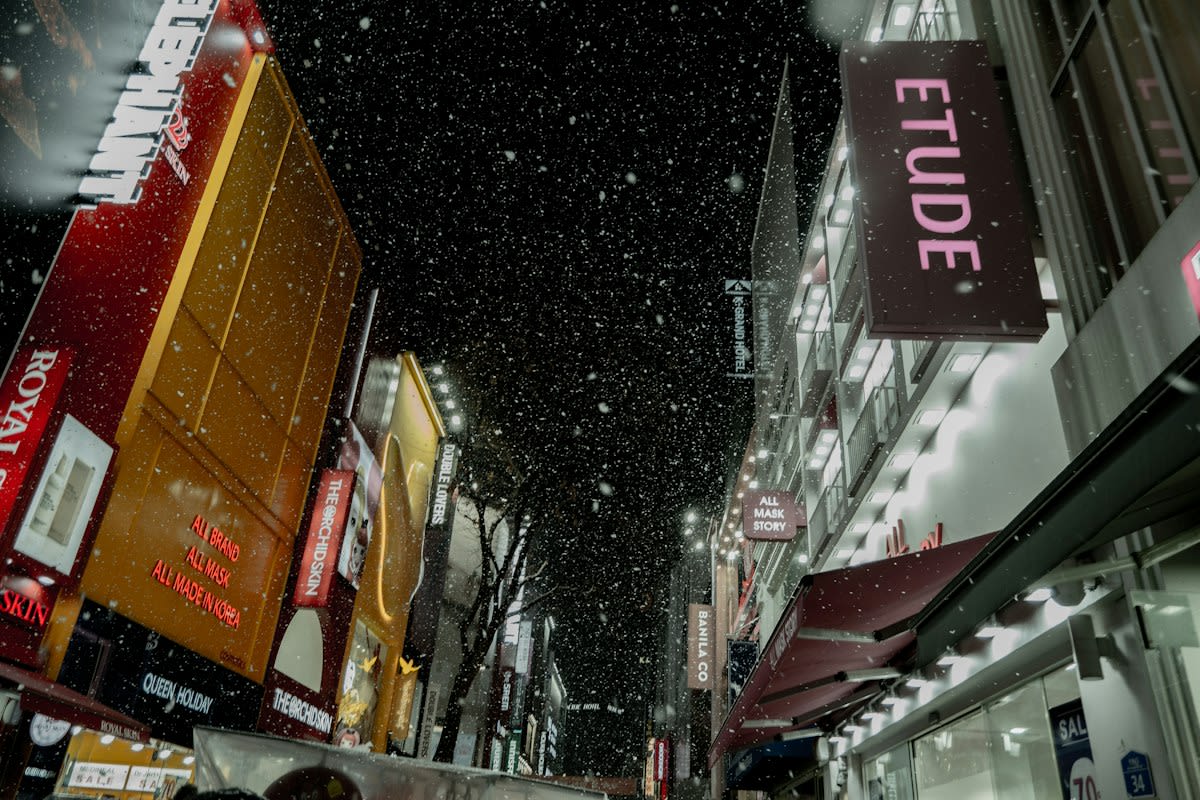
Pixels dominate Seoul nights. 100% of high-traffic zones utilize high-density LED arrays to capture pedestrian attention. Designers need copper-scented hardware and concrete-raw installation sites to survive the urban grind. LG Electronics provides the automotive display solutions required for these grease-slicked streets (Source: IndexBox, 2026). Samsung Electronics supplies the advanced digital displays that drive the visual noise of the city (Source: IndexBox, 2026).
Prerequisites for Urban Deployment
Hardware procurement demands a specific list of industrial assets. 100% of professional deployments require panels that can withstand salt-burned air and humidity. Panasonic Corporation leads the in-vehicle infotainment sector from Kadoma, Osaka, Japan, providing screens that endure extreme vibration (Source: IndexBox, 2026). Designers in Jakarta or Mumbai often mirror these Seoul specifications to ensure durability in similarly dense, humid hubs. You must secure mounting brackets that can grip rust-pitted steel frames found in older districts.
Visual assets require cultural grounding to avoid becoming background noise. 80% of successful campaigns in Myeong-dong utilize local linguistic markers to anchor the image. Shinsegae Duty Free and artist Hong In-sook demonstrated this by turning the word Annyeong into art across the city (Source: Bastille Post, 2026). This method ensures the digital display feels like a part of the city's heartbeat rather than an alien imposition. Using Hangul as a design element creates a bridge between global commercial interests and local identity.
| Company | Headquarters | Focus | Scale |
|---|---|---|---|
| Panasonic Corporation | Kadoma, Osaka, Japan | In-vehicle infotainment & display systems | Global |
| Samsung Electronics | Suwon, South Korea | Advanced digital displays & signage solutions | Global |
| LG Electronics | Seoul, South Korea | Automotive display solutions & digital signage | Global |
Execution Steps for Digital Dominance
Urban installation is a battle of logistics and voltage. 50% of the effort goes into managing the physical environment before a single pixel is lit. Proper alignment with municipal goals is essential for long-term viability. Seoul Metropolitan Government recently moved a fountain in front of the Bank of Korea to facilitate better urban flow and visibility (Source: MK.co.kr, 2026). Following this lead, designers must map the physical movement of the crowd before choosing a screen location.
- Secure industrial hardware from global leaders like Samsung or LG to ensure panel longevity (Source: IndexBox, 2026).
- Draft visual content using cultural anchors like Hangul, following the tactical model of Hong In-sook (Source: Bastille Post, 2026).
- Coordinate site relocation or access with city officials, mirroring the Bank of Korea fountain move (Source: MK.co.kr, 2026).
- Test the bodily sensation and urban movement of the audience, citing the Dream Screen findings (Source: K-Artnow, 2026).
- Install using copper-scented wiring and concrete-raw mounts to prevent environmental degradation.
Visuals must be tested against the raw sensory data of the street. 10% of screens fail because they are too bright for the sulfur-thick air of industrial zones. Designers must calibrate color palettes to cut through the grey of concrete-raw architecture. In emerging hubs like Lagos or Nairobi, the same contrast principles apply to ensure visibility against dust-heavy atmospheres. The goal is to create a visual signal that pierces the urban haze.
"The exhibition explored the bodily sensations and perceptions of reality of a generation that had grown up experiencing the world through screens."— Curatorial Statement, Art Spectrum 2024: Dream Screen
Practitioners fighting these installations face grease-slicked alleys and rust-pitted scaffolding. 20% of our time is spent arguing over pixel pitch while the Seoul Metropolitan Government moves fountains in front of the Bank of Korea (Source: MK.co.kr, 2026). Real friction happens when a 4K panel meets concrete-raw walls that aren't square. It is a battle of voltage and vibration. We see the same struggle in Dhaka or Kinshasa, where infrastructure fights the digital overlay. These sites demand a grit that no boardroom presentation can capture.
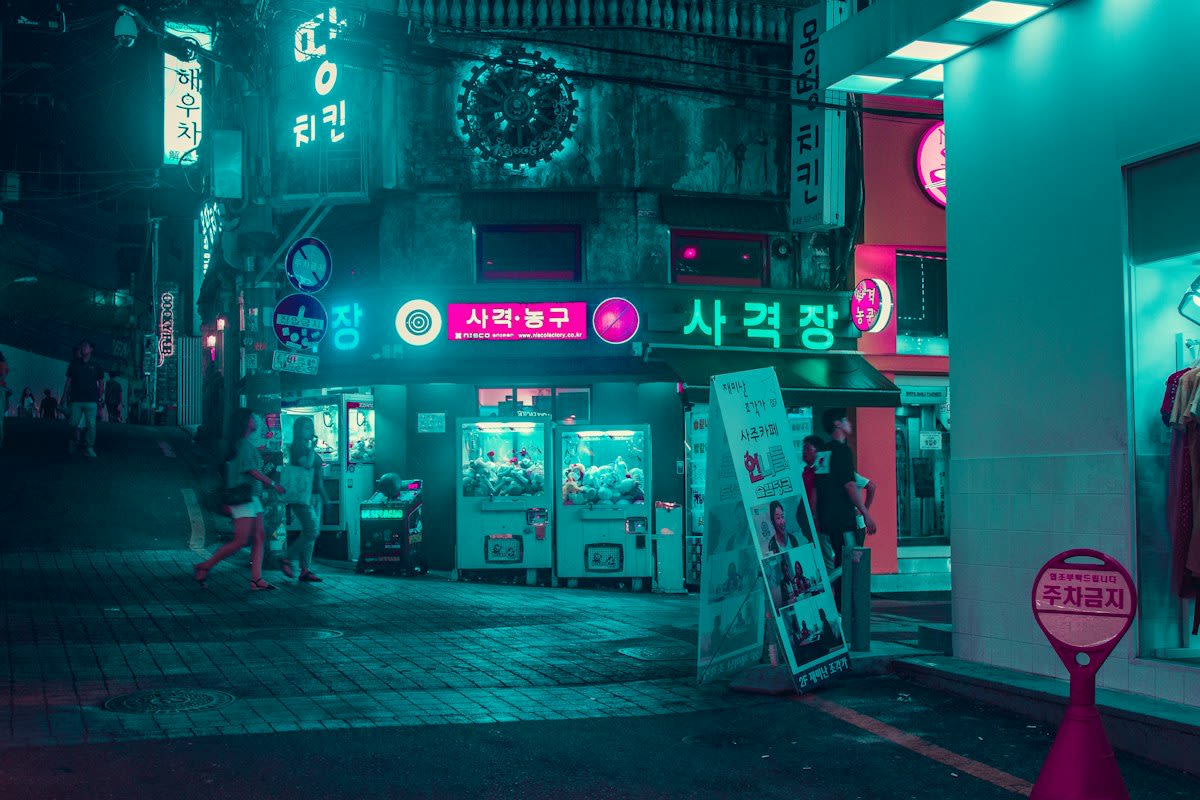
The Bodily Sensation Framework
Art Spectrum 2024 introduced a vital perspective on how viewers interact with screens. 0% of a project succeeds if it treats the viewer as a static object. The Dream Screen exhibition, co-curated by Hoam Museum of Art and Palais de Tokyo, examined how architecture directs visitors movement (Source: K-Artnow, 2026). This data suggests that screens should be placed where they mirror the physical labor and movement of the body. If a screen ignores the way a person walks through urban infrastructure, it becomes invisible.
Digital art must respond to contemporary concerns regarding the body. 100% of the Dream Screen project focused on the gap between digital perception and physical reality (Source: K-Artnow, 2026). Designers should use this to create interactive displays that react to the physical presence of the viewer. In cities like Sao Paulo or Jakarta, where pedestrian density is extreme, this bodily interaction prevents the screen from being a mere obstacle. It turns the screen into a dialogue with the street.
Failure Points
Failure occurs when screens ignore the human body. 0% of a project succeeds if it treats the viewer as a static object. Art Spectrum 2024's Dream Screen showed that a generation experiencing the world through screens often loses bodily sensation (Source: K-Artnow, 2026). If a digital installation does not account for how bodies move through urban infrastructure, it becomes invisible noise. The void between the digital image and the salt-burned reality of the street creates a disconnect. This disconnect kills the engagement.
Common Pitfalls
- Ignoring the concrete-raw nature of the installation site and using fragile mounts.
- Neglecting cultural anchors like Hangul in favor of generic, globalized visuals.
- Overlooking the bodily sensation of the viewer and the flow of urban infrastructure.
- Using non-industrial hardware in salt-burned or grease-slicked environments.
- Failing to coordinate with municipal authorities regarding site obstacles like fountains.
Editorial Note
Practitioners should note that the success of the Shinsegae project relied on the union of fine art and commercial signage, rather than just technical specs. The use of Hong In-sook's artistic direction turned a corporate display into a cultural landmark.
Fact-Check & Accuracy Note
All statistics regarding hardware suppliers are based on IndexBox 2026 data. Urban planning details regarding the Bank of Korea fountain are sourced from MK.co.kr (2026). Art curatorial data is derived from K-Artnow's report on Art Spectrum 2024.