Naidu asks coalition leaders to promote unanimous panchayat elections in Andhra Pradesh
Source Entity
India Latest News: Top National Headlines Today & Breaking News | The Hindu
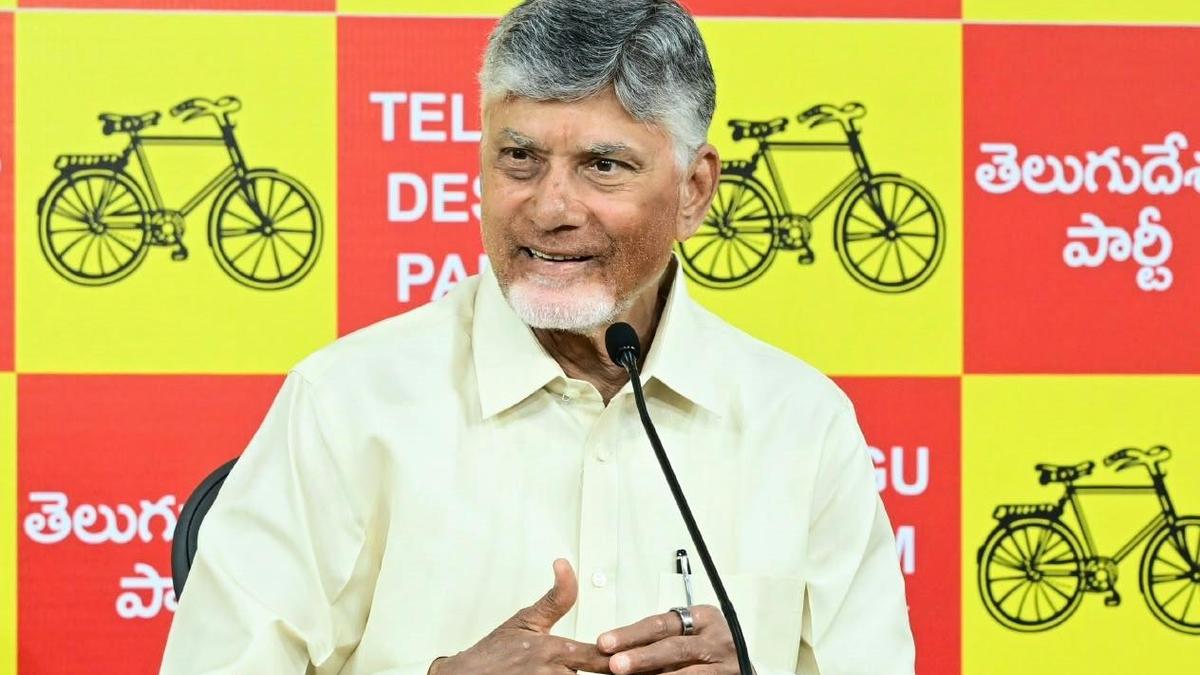
Andhra Pradesh CM Chandrababu Naidu is pushing for unanimous gram panchayat elections to foster development over political rivalry. The government has introduced an incentive scheme offering ₹15 lakh to ₹50 lakh for villages that elect leaders without contest.
Promoting Consensus: Naidu’s Vision for Andhra Pradesh Gram Panchayats
Andhra Pradesh Chief Minister N. Chandrababu Naidu has initiated a strategic push for unanimous elections in the state's upcoming gram panchayat polls. During a high-level teleconference held on November 22, 2026, the Chief Minister urged leaders of the TDP-led coalition to prioritize development-oriented leadership at the grassroots level, specifically requesting that they actively encourage unanimous results to minimize political friction in rural communities.
The Incentive Framework
To facilitate this shift toward consensus, the state government has rolled out a revised incentive scheme. Panchayats that successfully elect their representatives without a contested ballot will be eligible for financial grants ranging from ₹15 lakh to ₹50 lakh. This policy is designed to serve as a catalyst for village-level development, ensuring that local funds are utilized for infrastructure and welfare rather than being exhausted by the logistical and social costs associated with competitive campaigning.
Building on Recent Mandates
Mr. Naidu’s call for unanimous elections follows a period of electoral success for his coalition. He noted that the recent results in ZPTC, MPTC, and municipal elections serve as a strong endorsement of the coalition government’s performance over the past two-and-a-half years. By leveraging this momentum, the TDP leadership aims to translate the public’s confidence into a unified administrative approach at the village level, arguing that a lack of political rivalry will lead to more efficient governance.
Navigating Coalition Dynamics
Despite the push for unanimity, internal challenges persist within the coalition, with reports of a tug-of-war between the TDP and the Jana Sena regarding seat-sharing and local influence. The tension between the coalition partners highlights the complexity of local polls, where personal ambitions and local party loyalties often clash with the top-down directive of promoting consensus. Navigating these internal dynamics will be crucial for the coalition to maintain the stability observed in higher-tier local body elections.
Future Trends in Local Governance
Looking forward, the success of this incentive-based model will likely set a precedent for how rural governance is managed in Andhra Pradesh. If the government can successfully incentivize unity, it could significantly alter the political landscape of the state, reducing the polarization often seen in local elections. However, the effectiveness of this policy will depend on whether local stakeholders perceive the financial incentives as outweighing the benefits of traditional democratic competition.
Conclusion
By advocating for unanimous elections, Chief Minister Naidu is attempting to pivot the focus of Andhra Pradesh’s rural administration toward collaborative development. While the strategy offers tangible financial rewards for villages, its true success rests on the coalition's ability to reconcile its internal partnerships and convince grassroots leaders that consensus is a viable and beneficial alternative to partisan contention.
Verification Required?