'Move on!' Former PMs pile in with advice for Andy Burnham, but will he listen?
Source Entity
BBC News
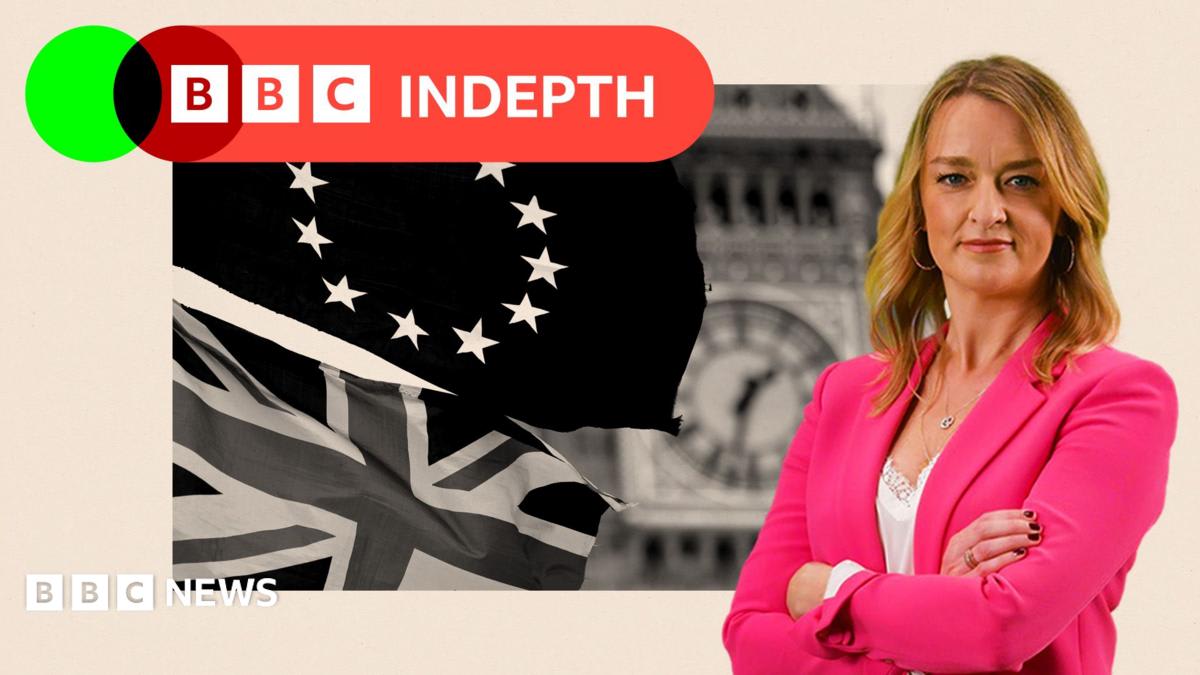
Former PM Theresa May has publicly urged Prime Minister Andy Burnham to respect the 2016 Brexit vote rather than seeking closer ties with the EU. May warned that revisiting the issue would consume excessive government resources and undermine the democratic mandate.
The Brexit Stalemate: Theresa May’s Warning to Downing Street
Former Prime Minister Theresa May has issued a stark warning to current Prime Minister Andy Burnham, urging him to cease efforts to pivot the United Kingdom back toward the European Union. In a candid interview with the BBC, Baroness May expressed she was "aghast" at the prospect of the current administration exploring options to rejoin the trading bloc, characterizing the Brexit process as a settled matter that should no longer dominate the political agenda.
The Weight of Historical Precedent
Theresa May’s intervention carries significant weight given her tenure as Prime Minister from 2016 to 2019, during which she spent three arduous years negotiating the terms of Britain's withdrawal. Her leadership was ultimately defined—and arguably curtailed—by the immense friction inherent in managing the UK-EU relationship. By advising Burnham to "just get on with" the post-Brexit reality, she is drawing upon the institutional trauma of her own premiership, cautioning that reopening these negotiations would absorb unsustainable amounts of government time and political capital.
Democratic Integrity and the Public Mandate
Central to May’s argument is the sanctity of the 2016 referendum result. She criticized the current government’s approach as patronizing, suggesting that any attempt to reopen the conversation implies that the electorate "got it wrong" and should be given "another go" to provide the "right answer." This perspective emphasizes a commitment to respecting the original democratic mandate, warning that treating the public as if they need to be "patted on the head" risks alienating voters and deepening national divisions.
The Ambiguity of the Current Administration
While Prime Minister Burnham has utilized terms like "brainstorming" to describe his recent discussions at the Brussels summit, his precise intentions remain shrouded in ambiguity. This lack of clarity has invited criticism not only from May but from other former Prime Ministers like David Cameron and Tony Blair. The core concern among these political veterans is that by merely dangling the possibility of closer ties or rejoining, the government is creating unnecessary instability and signaling a lack of resolve regarding the UK’s independent path.
Broader Political Implications and Future Trends
If the current government continues to pursue a path of closer integration, it faces the risk of repeating the political volatility that plagued the UK between 2016 and 2020. The "Brexit is done" mantra serves as a reminder that the administrative and legislative burden of reversing course would be immense. As the political landscape shifts, the tension between those seeking to repair economic ties with the EU and those advocating for strict adherence to the 2016 result will likely remain the defining friction point in British domestic policy for the foreseeable future.
Conclusion
Theresa May’s intervention serves as a cautionary tale for the present administration. By framing the debate as a choice between moving forward and becoming trapped in a cycle of renegotiation, she is setting a clear political boundary. Whether Prime Minister Burnham chooses to heed this advice or continues to explore a closer relationship with Brussels will likely determine the stability of his government and the future trajectory of the United Kingdom's international trade strategy.